Kern Civil-Service Exams Fell 25% While Appeal Dispositions Rose 24%
The commission's annual report records fewer examinations and applications, but more appeal decisions; five of 68 dispositions reversed the underlying action.
READ THE REPORTFrom Kern County classrooms and water systems to federal spending and healthcare, follow the documents behind the findings.
294 reports to explore
The commission's annual report records fewer examinations and applications, but more appeal decisions; five of 68 dispositions reversed the underlying action.
READ THE REPORTA district letter lists meetings at 20 campuses from October 5 through December 14, but it does not publish a single districtwide comment log or show how proposals change each plan.
READ THE REPORTThe recorded action identifies the acreage, agricultural zoning and preserve, but the public packet does not quantify the assessed-value effect or name the orchard crop.
READ THE REPORTThe October amendment adds 830 calendar days to Mark Thomas & Company’s proposed contract end date. Its checked boxes authorize more time, not additional services or a new $2 million award.
READ THE REPORTA clause-by-clause comparison distinguishes no payment between institutions from the county resources required to train employees. The submitted packet also uses different wording about legal-form review.
READ THE REPORTMatching the staff explanation to the replacement funding schedule shows the entire increase assigned to fiscal 2025–26, while fiscal 2026–27 remains at $31.72 million. A five-day term change does not establish a daily service cost.
READ THE REPORTThe county’s proposed retroactive renewal cites administrative delay. Comparing the new seat with the bylaws shows it expands participation without supplying any of the three district votes required for a quorum.
READ THE REPORTThe federal funding schedule adds up, but two pages of the same proposed program budget give different totals. The discrepancy concerns the submitted paperwork—not proof of missing money or an improper payment.
READ THE REPORTRebuilding the worksheets behind $425,000 in proposed detection and quarantine agreements reveals what the work count measures and which records are required before reimbursement.
READ THE REPORTThe replacement operating plan has no immediate fiscal-impact label, but its reimbursement rules distinguish three incident stages, resource types and two separate billing deadlines.
READ THE REPORTComparing the county’s support-letter packet with State Lands records and the federal project register shows why a pipeline right-of-way is not a complete authorization to deliver desert groundwater.
READ THE REPORTThe approved agreement’s $150,000 annual estimate is not a guaranteed across-the-board raise; its salary language also places a possible July 2027 COLA after the stated expiration date.
READ THE REPORTReconstructing the five-project request separates the grant’s new appropriations from an already-budgeted county match—and shows accessible alerts are only partially financed by this award.
READ THE REPORTWe compared six allocation tables with Kern’s new agreement and found the county joins 47 other local agencies at the table’s $300,000 minimum—not a uniquely Kern reduction.
READ THE REPORTOur comparison of two grant budgets finds an education-and-inspection program, with measurable service targets but no numerical crash-reduction commitment. The county’s new appropriation is a separate, smaller figure.
READ THE REPORTA comparison of the staff request and contract separates corrected subscription escalation, added purchases and delegated ordering authority inside a fixed board-approved ceiling.
READ THE REPORTThe $100,000 annual plan covers up to five placements. We compared the renewal clause, per-client payment limit and home-county monitoring terms—not patient outcomes.
READ THE REPORTOur reconciliation separates $18.2 million in carryover and a $4.4 million apparatus-trust transfer from the recurring-revenue question, and traces the proposed allocations.
READ THE REPORTThe proposed no-immediate-cost amendment pairs a distant, conditional termination option with near-term landlord painting and carpeting commitments.
READ THE REPORTThe contract ties some data exchanges to outside health plans’ participation, while protecting fees already paid if deliverables cannot be performed for reasons beyond the contractor’s reasonable control.
READ THE REPORTThe newly filed annual report pairs a 25.4% expense increase with a still-positive budget and substantial retained equity. Its 30,121 interactions count contacts, not unique residents.
READ THE REPORTThe proposed retroactive change would lift the revenue-hour rate 16.8% above the earlier baseline, while insurance and administration fees stay fixed. Its $90,000 ceiling increase is a different percentage.
READ THE REPORTTracing four separate requests to the same source project reveals a 28.1% reallocation, a failed Bena monitoring well and McFarland-Delano coverage deficiencies identified in 2024.
READ THE REPORTComparing the approved bulletin with its staff explanation also shows that the 14-business-day clock is for choosing a process, and the suggested three-person interview limit is absent from the final text.
READ THE REPORTComparing the findings and response in Kern’s newly filed fiscal-monitoring plan identifies an adjustment-scope gap, while records supplied during the review weaken any claim that seven vendors went unchecked.
READ THE REPORTOur calculation separates new revenue from money carried forward and identifies the spending questions behind the October 13 budget adjustment.
READ THE REPORTComparing the 2023 finding with the July 2026 follow-up establishes a completed corrective action—not a new misallocation—and shows why neither report provides a defensible dollar loss total.
READ THE REPORTA document comparison distinguishes two exception categories from a count of unique transactions—and finds that the written control promises review above $10,000 while the cited bid rule starts at $10,000.
READ THE REPORTOur comparison with state audit rules separates missing hour records, inconsistent classifications and incomplete agreements—and identifies School 523 as Porterville, not Bakersfield College.
READ THE REPORTA records comparison puts the 55.6% sample exception rate beside federal verification rules and the district’s promised HR–payroll checks, while separating paperwork failures from immigration status.
READ THE REPORTA review of the 2026 state audit separates the courthouse’s automatic-interest interpretation from Probation’s collection practice, and shows why $950,000 collected against $4.06 million ordered is not a valid collection rate.
READ THE REPORTA comparison of the school’s water disclosure with California’s September 25 project list finds different descriptions of the consolidation route, alongside documented bottled-water and treatment safeguards.
READ THE REPORTThe September extension keeps a temporary effluent arrangement through December 31 while the original contract leaves the city responsible for delivery infrastructure and pumping power.
READ THE REPORTThe approved committee framework promises audits and public reports, while its proposed operating language reserves spending authority to the city and ties activation to tax collection and seven appointments.
READ THE REPORTState data clarify the denominator behind a dramatic rate in Lakeside’s plan—and show newer improvement that should accompany the older figure.
READ THE REPORTState and district records separate a new management-and-consolidation order, pre-consolidation operating help and construction funding still being pursued.
READ THE REPORTA $184,783 replacement proposal says only one boiler remains operational. We traced the dates and the cost controls supervisors are being asked to approve.
READ THE REPORTThe October 13 agenda and its supporting letter describe different levels of detail. Our review identifies the proposed one-year exception and the award records needed to test its safeguards.
READ THE REPORTCharges for services fall 10.6% while transfers and other costs rise to $2.22 million, widening the planned gap to $1.58 million.
READ THE REPORTThe small fund keeps revenue nearly flat but increases its spending authorization more than fivefold.
READ THE REPORTThe adopted plan authorizes $724,327 in financing uses while expected fine and interest revenue falls to $120,000.
READ THE REPORTRevenue stays nearly flat, but transfers out fall by almost $248,000, shrinking the gap from $290,175 to $48,506.
READ THE REPORTThe adopted budget cuts expected fine revenue while increasing transfers out more than fourteenfold, a combined $849,898 reversal from the latest actual year.
READ THE REPORTIntergovernmental revenue grows faster than spending in the adopted California Children Services budget, reducing the net local cost by nearly $500,000.
READ THE REPORTThe adopted plan raises spending 8.2% to $550,731 but lists only $100 in revenue, leaving nearly the entire program cost to county financing.
READ THE REPORTThe county’s hospital-care fund expects $2.02 million from fines and forfeitures—$754,187 above the latest actual year—while service spending rises 40.5%.
READ THE REPORTThe adopted plan adds $2.76 million, with payroll and purchased services both rising; the summary does not show participants served or job-placement outcomes.
READ THE REPORTThe self-insurance plan raises charges to county departments 4.2% while expenses rise 1.6%, increasing the fund’s projected net position to $17.5 million.
READ THE REPORTThe adopted budget cuts operating revenue 16.1% while authorizing 74.8% more operating expense; one nonoperating receipt keeps the final change barely positive.
READ THE REPORTOperating expense rises five times faster than revenue, but government aid and other nonoperating receipts are budgeted to produce funds for a doubled capital program.
READ THE REPORTThe county’s adopted budget raises garage operating revenue 7.0%, but a 28.4% increase in operating expense leaves a much thinner cushion before nonoperating items.
READ THE REPORTOperating revenue is budgeted down 15.3% and expense up 18.4%, while capital assets rise 77.4% and tax support increases.
READ THE REPORTThe enterprise budget combines lower operating revenue, 37% higher expense and a 31% increase in capital assets, producing a $29.6 million planned reduction in net assets.
READ THE REPORTRevenue grows, but authorized collection costs grow faster, turning a small actual surplus into a draw equal to 9.4% of opening net position.
READ THE REPORTThe self-insurance plan expects revenue to fall and expenses to rise, producing a $1.07 million operating loss against a $3.70 million starting position.
READ THE REPORTThe county’s liability self-insurance budget doubles other charges and plans a $10 million operating loss despite a 54.8% revenue increase.
READ THE REPORTRevenue is nearly flat while expenses rise 7.2%; a $10 million contingency explains only about one-third of the planned deficit.
READ THE REPORTThe internal-service fund plans a 27.8% revenue increase, outpacing an 18.1% expense increase and shrinking its operating loss to $203,055.
READ THE REPORTA comparison of the health district’s two annual plans finds that lower reported losses reflect changes in accounting and construction lines as well as spending decisions.
READ THE REPORTBoard records separate an unresolved metal-building procurement from documented shed and cooling improvements, complicating a simple account of follow-through on a grand-jury warning.
READ THE REPORTComparing 2021 and 2024 state reviews shows that some safeguards improved while service-planning assessments remained deficient in a small set of reviewed records.
READ THE REPORTComparing the applicant’s July answers with September follow-up requests exposes a gap between stated safety margins and the records needed to verify them, including startup periods within short generator tests.
READ THE REPORTA comparison of two annual service reports finds higher spending for both Hispanic and white clients, with large differences remaining inside the same broad age groups.
READ THE REPORTA comparison of the county’s spending plan, two performance reports and a proposed park agreement finds fewer reported infrastructure beneficiaries and little current-year spending in Shafter.
READ THE REPORTA comparison of board decisions finds new donation revenue alongside higher fees and reduced posted access. Conflicting hours pages and an unexplained overlap between donation amounts limit what residents can verify.
READ THE REPORTA reconciliation of two annual accounts and the district’s grant manual separates a new sick-leave rule from a failure to record partner costs on time — and finds a mismatch inside the newer report.
READ THE REPORTA reconstruction of California’s sanction formula shows why a small well-care shortfall drove most of the fine. Newer plan records report better mental-health follow-up, but the published annual figures remain preliminary.
READ THE REPORTThe same 14,663-child estimate survives in a new assessment despite changing population and enrollment figures. Its original derivation used a statewide service rate from 2015–16, not a current local waiting list.
READ THE REPORTJuly board approvals, the construction invitation and EPA’s October status table show separate procurement and financing milestones. The distinction matters before readers treat a proposed loan as money secured.
READ THE REPORTComparing the plan’s wholesale tables reveals a change in the demand being measured. Retail reliability rests on stored groundwater and, in later drought years, planned conservation.
READ THE REPORTThe proposed $400,000 ceiling was not the base fee. A comparison of the contract, cost assumptions and council minutes shows what would have controlled payment—and why the packet does not establish an approved contract.
READ THE REPORTThe final accounts received a clean opinion, but the audit documents a repeat weakness in the process that produced them. Its current-year adjustments and opening-balance correction answer different questions.
READ THE REPORTA September state review documents progress on inspections but little change in the count of hazardous-waste violations without recorded resolution. Earlier findings had been closed before similar problems reappeared.
READ THE REPORTOur review of the financing documents separates a $3.23 million construction plan, 11 HOME-assisted apartments and repayment that depends on money left after project expenses.
READ THE REPORTThe September council packet projects lower renewal pressure than in 2026. Its $756,000 negotiation figure is not a cut from current spending.
READ THE REPORTThe contract promises site rankings and an implementation roadmap. Those deliverables can be checked; they are not factories built or jobs already created.
READ THE REPORTOur comparison of the $9.2 million proposal, its financial model and contract exhibits finds $293,067 in annual savings treated as achieved without further tracking—and nearly $2 million separating its incentive scenarios. The council rejected the proposal on August 5.
READ THE REPORTA seven-recommendation comparison finds a rejected all-streets review, coordination promises without dates and an app improvement scheduled through June 2027. The city also disputes key premises and describes existing safety work.
READ THE REPORTA comparison of the district’s grand-jury response, board minutes and nutrition page finds a weekday-only service, sharply different subsidy shares, and cost disclosures that cannot be reconciled without dates and accounting definitions.
READ THE REPORTOur examination of newly released federal county data finds NFIP coverage of 24.5% among FEMA-designated high-risk properties, versus 2.4% among those identified by a separate flood model. The denominators matter—and neither measure counts private insurance.
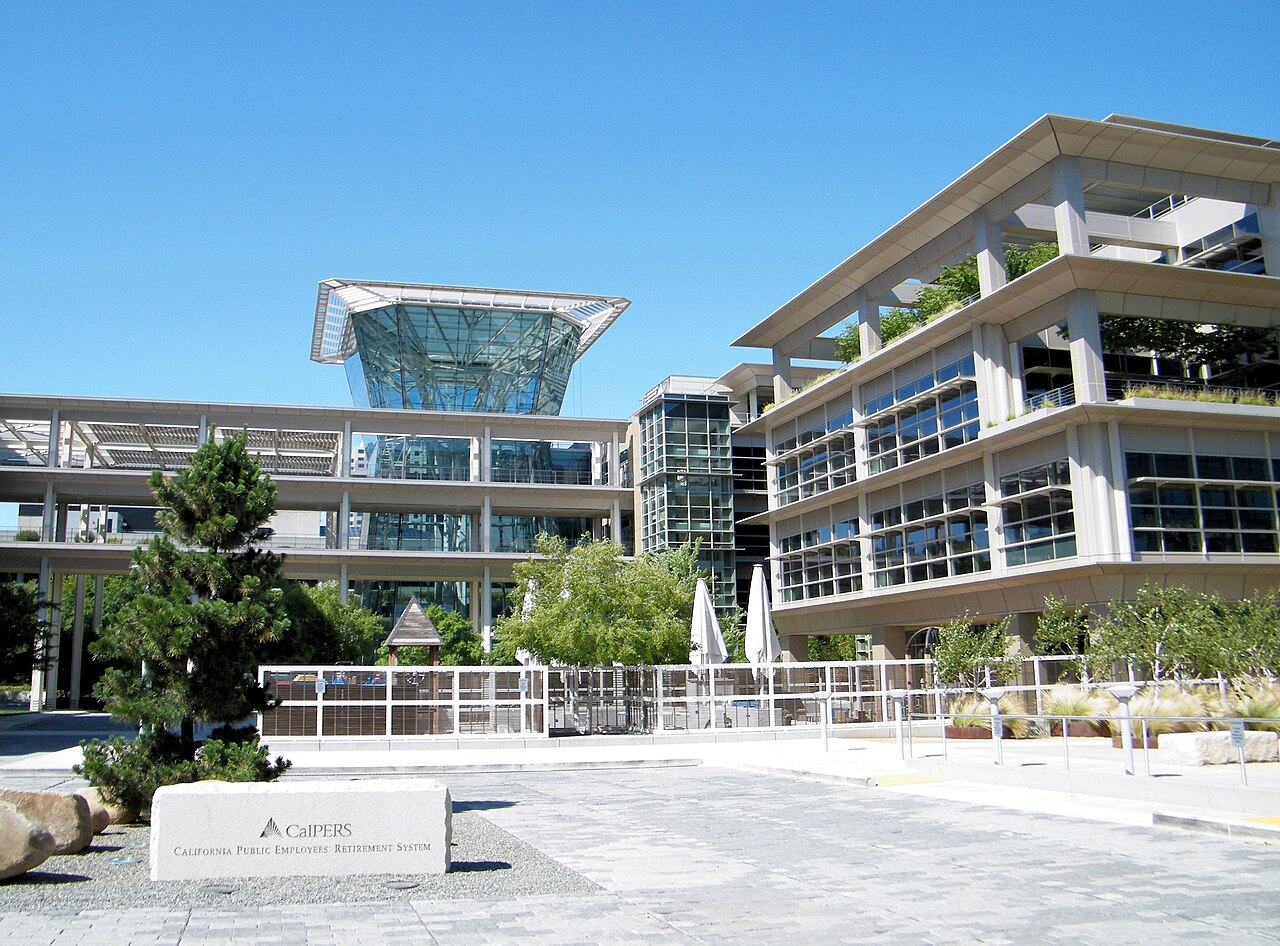
READ THE REPORTThe city’s $54.3 million annual unfunded-liability contribution dominates its projected $88.2 million CalPERS payment. A separate reserve target remains $1.3 million above expected funds.
READ THE REPORTThe division lost $5.23 million in adopted spending authority. Comparing its funding table with housing and homelessness goals shows why that is not a uniform 24% cut in services.
READ THE REPORTNew SB1 funding supplied more than half the division’s net increase, while capital drove two-thirds of the spending growth. The pavement target still trails the city’s reported 2024–25 output.
READ THE REPORTDomestic Water’s operating and personnel increases outweighed a 17% capital reduction. The budget still names treatment and well projects, so the top-line cut does not establish their cancellation.
READ THE REPORTA comparison of the adopted spending plan, staffing explanation and plant-flow targets shows a shift toward operating capacity while long-term plant projects remain in planning.
READ THE REPORTThe adopted technology-services plan added less than one-half of 1% in spending while cutting three more positions and shifting most support to the city’s equipment fund.
READ THE REPORTThe adopted police budget grew 2.4%, but total authorized staffing fell by 21 positions as Field Services lost 38 and Special Operations gained 29.
READ THE REPORTThe adopted budget added $7.46 million—mostly for suppression—even as the department’s authorized workforce dropped from 231 to 225 positions.
READ THE REPORTA $9.9 million capital increase drove the division’s 22% budget growth, while operating costs rose 12% and personnel costs rose 4%.
READ THE REPORTThe city added $3.04 million to Recreation and Parks, including a 57% public-safety capital increase, while reducing authorized positions from 201 to 196.
READ THE REPORTThe American Rescue Plan fund listed just $1.1 million in new financing against $67.3 million in planned uses, making the opening balance the source of 98% of available resources.
READ THE REPORTThe adopted MHSA schedule retained one-quarter of available resources, while three-quarters of the fund’s gross balance was already restricted, committed or assigned.
READ THE REPORTNew financing nearly covered the planned uses, while the adopted schedule retained 56.7% of the fund’s available resources without publishing case or recovery metrics.
READ THE REPORTAfter commitments and assignments, only $258,496 of the gross balance was available; the adopted plan relied mostly on $2.1 million in new financing.
READ THE REPORTThe vehicle fund listed no new financing, $4.76 million in uses and just $210,217 left at the end of the adopted budget schedule.
READ THE REPORTA grand-jury records review says the $33.6 million Workday project’s human-resources phase moved from March 2026 to January 2027 after inconsistent training and system errors.
READ THE REPORTThe county watchdog also found some city disaster plans were outdated, the emergency-services manager post had sat vacant and field exercises were not being conducted.
READ THE REPORTA new grand-jury report found the system had fallen from two bookmobiles to one and had few bilingual staff or volunteers, even as branches expanded technology and community programs.
READ THE REPORTA grand-jury inquiry tied a $12.9 million budget reduction to 27 layoffs, eight eliminated vacancies and fewer clinic appointments, while Kern Medical said it could absorb redirected patients.
READ THE REPORTThe county’s talent plan aimed to lift fully engaged employees from 25% to 40%, but grand jurors said Human Resources could not define the measure.
READ THE REPORTThe adopted fund pairs $4.23 million in new financing with $4.75 million in uses, requiring $524,474 from existing balances and adjustments.
READ THE REPORTThe adopted fund relies on $4.83 million in available balance and reserve changes while planned uses reach $13.61 million.
READ THE REPORTCurrent-year financing does not cover planned uses; the adopted fund moves from $1.06 million available to $277,094 remaining.
READ THE REPORTThe adopted plan raises uses to $750,000 but carries $1.13 million forward, more than twice the year’s projected surcharge revenue.
READ THE REPORTThe plan raises uses from $2.36 million actual to $11.35 million while retaining $7.91 million for later years.
READ THE REPORTThe five district offices move from $2.81 million in actual spending to $4.17 million in the adopted plan, with no operating revenue in either column.
READ THE REPORTA $1.79 million spending increase and $252,000 revenue decline raise the adopted local financing requirement to $5.32 million.
READ THE REPORTPayroll adds $237,000 and service spending rises $79,000, while the adopted local contribution reaches $1.22 million.
READ THE REPORTThe adopted unit adds $8.82 million in spending, led by services and supplies, while projected receipts fall $281,000.
READ THE REPORTSpending rises 45% while projected revenue falls 16%, producing a $1.27 million financing reversal in the adopted plan.
READ THE REPORTA review of two state agencies’ records connects a six-year testing timeline with 17 water-board violation entries. The records also expose the limits of what residents can learn about completed cleanup.
READ THE REPORTA review of state records finds a narrow early footprint for a system born from Kern County concerns—and important limits on what its notices can tell families.
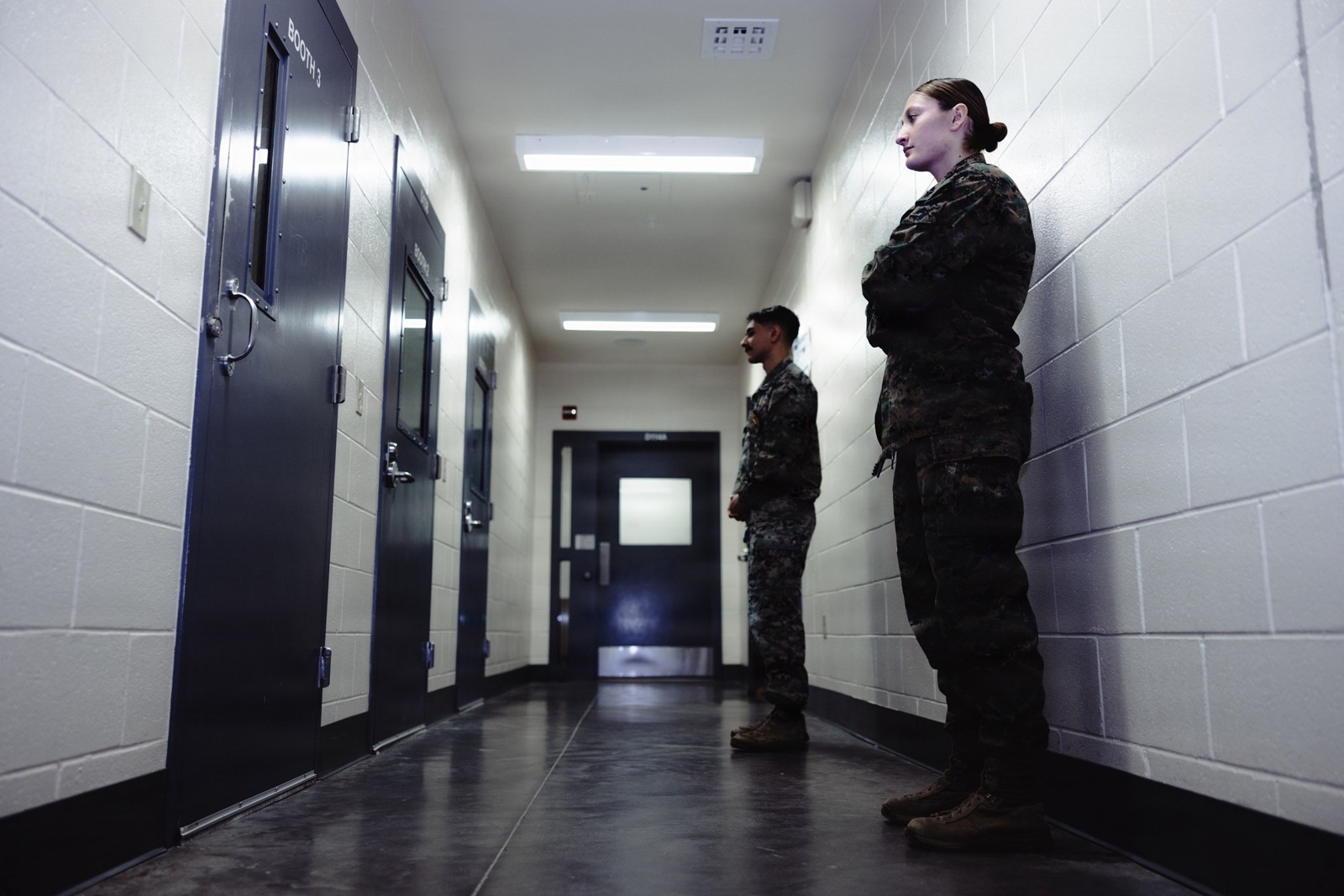
READ THE REPORTA comparison of California’s 2026 inspection and an earlier federal investigation exposes an unresolved question about documenting force inside Bakersfield’s ICE detention center.
READ THE REPORTBoard records show a choice between using cash for a roof and borrowing at 4.99%. We checked the interest comparison and the assumptions behind preserving reserves.
READ THE REPORTRevenue is budgeted to rise just 2.5%, while a new $862,710 financing-use line and higher payroll push the local financing requirement from $418,000 to $1.86 million.
READ THE REPORTThe office moves from a $93,000 revenue surplus to a $456,000 county-funded cost as salaries rise 84% and projected receipts edge down.
READ THE REPORTProjected receipts rise nearly $1 million, but services increase 43% and financing uses almost triple, leaving the county-funded share 42% higher.
READ THE REPORTThe adopted plan adds $1.41 million overall, but its mix changes sharply: nearly $1.9 million more for compensation, $832,000 less for services, and a new financing-use line.
READ THE REPORTAppropriations rise 23%, projected receipts fall 6.5%, and a new $750,317 financing-use line helps push the local requirement from $754,000 to $2.85 million.
READ THE REPORTA records comparison finds appropriations increased $3.8 million while projected revenue declined, pushing the budgeted county-funded share from $3.7 million to $7.7 million.
READ THE REPORTThe adopted plan adds $3.4 million in spending while projected revenue remains nearly flat, increasing the local financing requirement by almost $3 million.
READ THE REPORTOperating payroll and services both rose, but the adopted Information Technology Services plan eliminated the prior capital line and expanded other financing uses more than twentyfold.
READ THE REPORTOutside funding covers the adopted $34.2 million plan, but the spending mix shifts: other charges rise 104%, services rise nearly 20%, and capital grows from less than $10,000 to $112,000.
READ THE REPORTThe adopted budget grows 5.4%, but intergovernmental revenue drops $1.65 million while other financing sources rise $2.11 million to keep the plan balanced.
READ THE REPORTA line-by-line comparison finds the department's adopted appropriation rose 4.8%, but projected revenue fell $281,293 and the county-funded gap widened by $765,068.
READ THE REPORTThe adopted budget adds $317,551 to the Veterans Service unit even as projected revenue falls $36,723, widening the locally financed share to $1.18 million.
READ THE REPORTThe off-cycle adopted plan is smaller than the presidential-election actual year, but revenue falls $1.90 million and leaves local resources covering $6.09 million.
READ THE REPORTRevenue grew only 3.6% in the adopted property-management budget while salaries and benefits increased $2.82 million and capital fell to zero.
READ THE REPORTThe office’s appropriation grew 27%, but revenue increased only 5.6%; other charges rose 88% and a new $1.42 million financing-use line appeared.
READ THE REPORTA records comparison finds revenue grew only $756,000 while the District Attorney’s adopted appropriation increased $7.9 million, widening the net county cost by $7.2 million.
READ THE REPORTThe final budget adds $6.5 million to the Public Defender unit while projected revenue rises $1.1 million; services and supplies nearly double.
READ THE REPORTThe department’s adopted budget increased $11.5 million overall, but the mix shifted from $5.3 million in prior capital spending to $175,000 as services and other charges climbed.
READ THE REPORTIntergovernmental revenue increased $45.1 million while other financing sources fell $14.3 million, leaving the administrative budget’s $307.7 million appropriation fully matched by projected revenue.
READ THE REPORTThe adopted library appropriation increased $2.4 million even as projected revenue declined $278,000, pushing net county cost above $12.1 million.
READ THE REPORTA line-by-line review of Kern County’s final adopted budget finds a $2.3 million increase overall concealed a $6.6 million rise in services and supplies and an $8 million drop in capital spending.
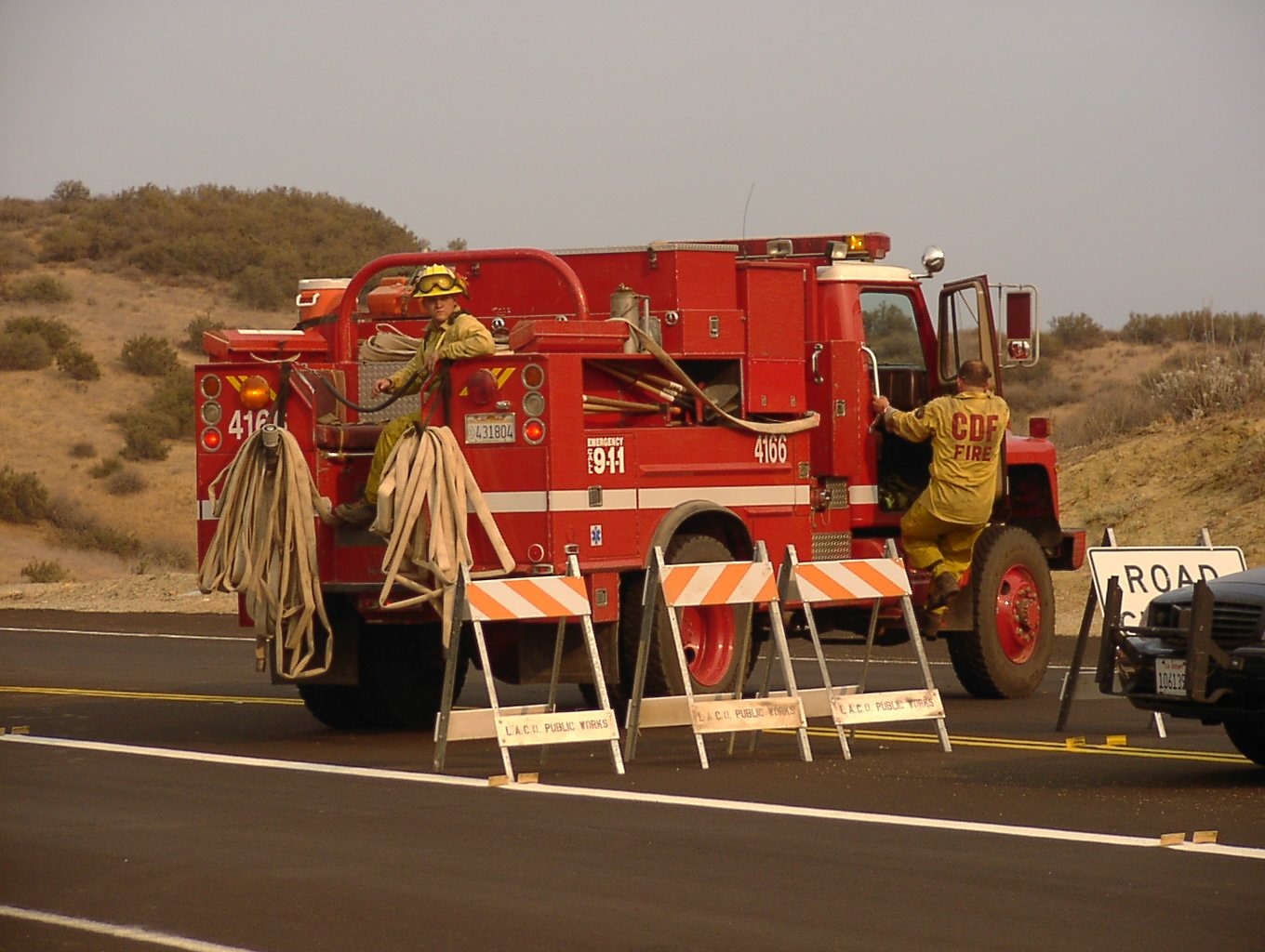
READ THE REPORTCounty records show a $19.2 million decline in the Fire Department budget was driven by capital spending, while services and supplies increased by $5.5 million.
READ THE REPORTThe adopted budget increases the Roads Department by $91.4 million; intergovernmental revenue supplies more than two-thirds of that growth.
READ THE REPORTThe final adopted budget trims the department by $949,000, including a $1 million salary-and-benefits reduction, even as projected revenue changes by only $50,000.
READ THE REPORTThe county adopted $109.2 million more for behavioral health and recovery services, but planned revenue grew more slowly than spending and the excess narrowed by $12.7 million.
READ THE REPORTA line-by-line comparison of federal county estimates finds about 533 fewer jobs across disclosed energy categories, with the largest measured declines in natural gas, efficiency and motor vehicles.
READ THE REPORTPassenger boardings increased for a second year, but the newest count remains preliminary and the airport is still classified as a nonhub primary airport.
READ THE REPORTA year-over-year check of federal labor records finds fewer unemployed residents, 4,287 fewer employed residents and a labor force smaller by 7,746 people.
READ THE REPORTCalifornia’s certified participation table shows Kern trailed statewide turnout among registered and eligible voters, leaving 279,485 eligible residents outside the final vote count.
READ THE REPORTA state Justice Department letter says the operator’s applications omitted required materials and that the city treated 2,816 beds as authorized despite a 2,304-bed conditional-use limit.
READ THE REPORTA line-by-line review of the September 16 council record found eight amendments that raised combined authorization limits from $9.28 million to $14.98 million. Five of the eight ceilings at least doubled, but an authorization is not proof the money was spent.
READ THE REPORTAn independent audit found six delayed-start days gave middle-school sixth-graders eight combined hours of instruction and expanded learning instead of nine. After the three staff-development days allowed by law, auditors counted three days short.
READ THE REPORTA seven-year review of California traffic records found the number of people killed or injured in alcohol-involved Bakersfield crashes rose from 225 to 340, while the separate count of reported DUI arrests fell from 1,012 to 766.
READ THE REPORTA review of water-quality reports and public project approvals documents years of uranium violations at Old River and South Kern, along with a 2026 approval for 29 household connections to Bakersfield’s system.
READ THE REPORTA review of Kern's homelessness planning records finds a delayed public dashboard and a participation statistic that needs its denominator explained.
READ THE REPORTAn analysis of state records finds overall chronic-absence counts fell 10.7%, while the count among students identified as homeless rose slightly even as their rate improved.
READ THE REPORTA comparison of two adopted budgets found $13.474 million in planned fund-balance use for 2026–27 and 21 fewer Measure N-supported employees, even as personnel costs rise 2.9%. The figures are authorizations—not audited spending or evidence of layoffs.
READ THE REPORTA line-by-line review found seven records listing overdose and seven listing hanging or strangulation. Nearly half of the 25 records do not name a specific jail or hospital, and the live table provides no row-level posting or revision dates.
READ THE REPORTAn original analysis of California's latest certified discipline file found Kern High's overall suspension rate declined to 8.1%, while foster youth were suspended at 25.2%—more than three times the rate for other students.
READ THE REPORTThe October 14 letter closes concerns about clearance and merit review. Comparing it with the original request, court order and replacement notice shows why that is not an accounting of the original $75 million.
READ THE REPORTOur reconciliation separates a $17,108 price-model correction, a changed availability window and 12 award-table entries that cannot be reported as cash already spent.
READ THE REPORTThe appendix shows 100 assessments among 250 cases. The 80% rate applies only to the 125 cases in which staff spoke with a child—not to every reported concern or child released from care.
READ THE REPORTA table-by-table reconciliation locates $68 million in two foreclosure-recovery codes—and separates a remaining-balance recommendation from the audit’s larger historical headline.
READ THE REPORTThe difference was not simply lateness: one quotation reached the contracting officer before award; the other remained quarantined until the procurement was over.
READ THE REPORTA comparison of a new federal review’s reporting tables with California’s current implementation calendar separates registration, collection and verified reuse or recycling. The state lists full implementation in 2031, not the producer-registration deadline that passed this year.
READ THE REPORTTwo federal reviews released October 16 connect a missing cost record to a disputed prospective repair. The evidence supports a transparency gap, not a calculation that stricter nuclear cleanup wasted a particular sum.
READ THE REPORTTwo newly released federal reviews expose three different information gaps. A proposed citizenship-record repair addresses eligibility to hold a claim, not a complete census of foreign parent companies or exports from federal mines.
READ THE REPORTA comparison of a federal audit’s video-storage checks with DHS’s written response separates equipment delivery, camera activation and recordkeeping. Several promised guidance and performance-measure repairs extend into 2027.
READ THE REPORTComparing the federal audit’s three program baselines shows why a lower GeoXO price projection is not a like-for-like savings claim: satellites fall from six to four, three instrument types disappear, and a fixed first-launch date still leaves a conditional coverage risk.
READ THE REPORTOur reconstruction of the case-outcome table finds actions in 45 cases without an identified disclosure violation—and no recorded action in 41 cases with one. The agency’s explanations matter in both groups.
READ THE REPORTReading the military-records audit beyond its summary reveals different breach pathways, a failed Army safeguard and a Navy staffing change already underway.
READ THE REPORTA new federal table shows opposite trends beneath the broad concentration headline: from 2021 to 2024, states with one issuer holding 80% of enrollment fell from eight to one in the individual market, while small-group markets rose from fourteen to sixteen.
READ THE REPORTComparing the agency’s 2024 instructions with the 2026 audit shows a handoff gap: notifying CMS about contracts did not become consistent worker-level oversight, even after a platform replacement.
READ THE REPORTOur comparison of the nuclear-security agency’s staffing tables finds losses concentrated in two oversight offices, while the report’s 12% headline uses a narrower workforce than its office-by-office table.
READ THE REPORTOur reconstruction separates letters, complaints, corroborated leads and compliance closures—and finds why those activity counts cannot establish whether the agency is reducing fraudulent preparation.
READ THE REPORTOur examination of the actual DHS response distinguishes already-launched training, later activation guidance and a regulatory milestone that does not promise a final rule.
READ THE REPORTA reconciliation of the newly released audit separates contract ceilings from savings, missing new grants from inactive programs, and workforce departures from net staffing changes.
READ THE REPORTOur comparison of the January strategy with the new audit’s staffing, unfinished work and survey appendix finds that the most frequently requested implementation aid was additional expertise—not another policy statement.
READ THE REPORTA new audit’s vacancy table reveals why reporting by tenant agreement can conceal unused floors—and why the public dataset also needs a separate warning about highly occupied spaces it excludes.
READ THE REPORTOur review follows the audit’s price reconciliation and separates a confirmed overpayment from missing service descriptions, duplicated contracting work and a much larger spending total that is not a loss estimate.
READ THE REPORTA comparison of the $7.55 million audit with current CMS instructions shows two separate system duties. A new protection against eligibility termination does not authorize ordinary capitation payments throughout incarceration.
READ THE REPORTOur reconciliation separates 70 unique deficient incidents from 77 overlapping categories and compares the state’s different timelines for incident alerts and provider-certification automation.
READ THE REPORTThe final recommendation remains disputed. Our reconciliation finds rehabilitation claims account for 96% of sampled net overpayments, while four compliance errors carried no repayment amount.
READ THE REPORTAn October 15 request deadline sits between a record of highly concentrated federal isotope shipments and DOE’s pledge to improve market planning. The records establish a supply decision under review, not an announced production cut.
READ THE REPORTOur three-document comparison finds a data-sharing and partnership classification swap beneath the flat total, alongside a privacy-rating difference and a repeated omission of staff divisions.
READ THE REPORTOur comparison of the annual drug-pricing review and a quarterly memo distinguishes persistent data barriers from actual price-cut eligibility—and finds a limit in the reported savings figure.
READ THE REPORTA cross-check of audit strata and a later CMS amendment separates a concentrated eligibility dispute from a blanket judgment that children’s services were unnecessary.
READ THE REPORTOur reconciliation separates the state’s agreed $100 million reporting correction from an $8.6 million dispute—and measures what a December 2023 catch-up adjustment actually offset.
READ THE REPORTOur reconciliation of the audit’s dollars, sample and state response separates a $67 million estimated overpayment from $387.9 million that Wisconsin can still substantiate with allocation records.
READ THE REPORTAgency records and court filings show how a mass request for taxpayer addresses moved ahead, why judges intervened, and what the government has acknowledged.
READ THE REPORTReconstructing the inspector general’s two cost tables shows that additional invoice and ledger review produced 56.1% of the $428,325 finding—and overlapping categories covered 32 organizations, not 47.
READ THE REPORTOur reconstruction of the inspector general’s table finds missing required victim-notice documentation in 132 of 140 accepted cases, while 32 investigations missed completion timelines. The overlapping failures do not establish actual child harm.
READ THE REPORTAn OIG record reconstruction separates missing verification inputs from 57 potentially inaccurate reports and compares the new accuracy findings with the government’s progress on an earlier refund-tracking review.
READ THE REPORTFor high-spending drugs, GAO’s appendix reports lower payments at owned pharmacies in 69% of employer-plan comparisons versus 46% of other-plan comparisons. The corresponding patient cost-sharing gap is only seven points.
READ THE REPORTComparing the July 2025 SAM snapshot with Treasury’s permanent August 2026 exemption reveals the scale of the information gap facing a delayed contractor-ownership database.
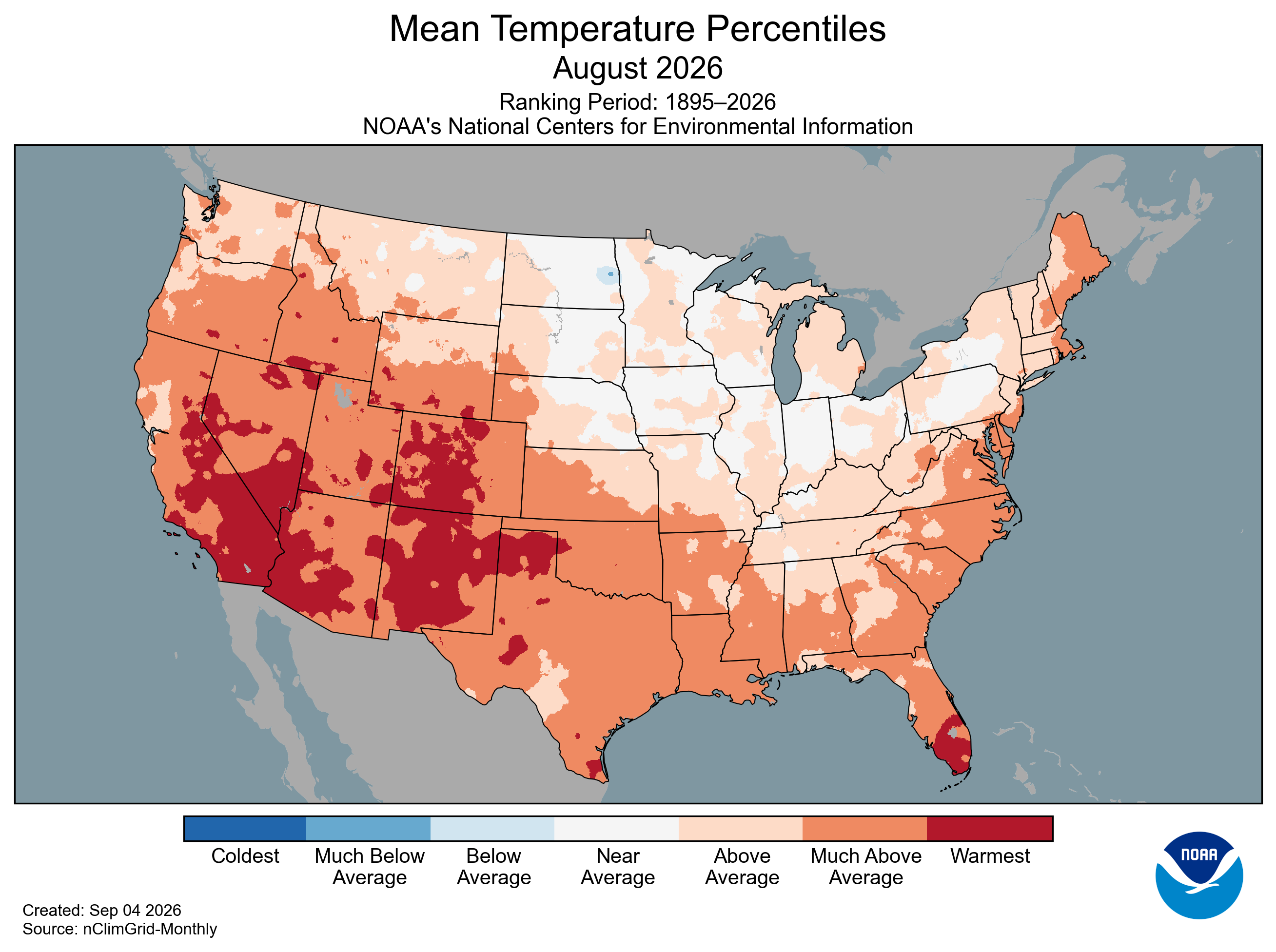
READ THE REPORTNOAA’s August report put the contiguous U.S. summer average 3.0°F above the twentieth-century norm as drought coverage expanded by more than ten percentage points in one month.
READ THE REPORTGAO’s retrospective separates Project Airbridge’s measured airlift from nongeneralizable industry views about federal control of port and supply-chain priorities.
READ THE REPORTGAO found 9,200 pedestrians and cyclists were killed in 2024, while DOT still lacked a consistent method to measure vehicle blind zones.
READ THE REPORTCongress supplied $12.5 billion for the first phase, yet GAO says the lifecycle estimate omits major government, operating and phase-two costs.
READ THE REPORTThe agency can stretch evaluation intervals from 12 to 36 months, but six of ten selected sponsors raised communication concerns.
READ THE REPORTStudents at uncertified high-school programs cannot take the first mechanic knowledge test without more training or work experience; a required working group was never established.
READ THE REPORTGAO’s school visits also found staff at nine of 11 sites wanted better screening tools; DOD says universal screening is scheduled to start late this year.
READ THE REPORTGAO says the 532 findings accumulated from fiscal 2017 through 2025; complaint enforcement continues, but a central proactive oversight tool remains paused.
READ THE REPORTThe public audit counts 89 earlier recommendations across 23 agencies and finds inventory, funding and testing gaps ahead of a threat experts say could arrive in the 2030s.
READ THE REPORTA new law restricts the sale of mortgage applicants’ information, while GAO’s record shows the claimed comparison-shopping benefit reached only a small estimated share.
READ THE REPORTGAO found no unlawful withholding in Education’s campus child-care program; the records show why a missing application notice and an impoundment are not the same finding.
READ THE REPORTThe decision separates two events often blurred together: a 2025 pause and termination affecting more than $1.5 billion in obligated grants, and Congress’s later rescission of unobligated funds.
READ THE REPORTFirst-year awards ranged from $147 million to $281 million, while up to $40 billion remains tied to milestones under a still-developing dispute process.
READ THE REPORTA Scoop calculation finds EDA supplied 78.5% of 2016–24 awards reviewed by GAO; reported economic gains still cannot be attributed to the grants.
READ THE REPORTGAO records show the first 10 GPS IIIF deliveries averaging nine months behind a revised schedule, while military navigation efforts remain split across services.
READ THE REPORTThe national promotion program launched 86 projects, but Commerce lacked written procedures for approving its objectives and performance measures.
READ THE REPORTNominated acreage rose from 25,800 in 2020 to more than one million in 2025 while key handbooks remained in draft and processing goals were absent.
READ THE REPORTGAO found only 22 of 74 reports required a plan; the accountability gap was the weak documentation across the other 52 projects.
READ THE REPORTNearly 40% of agency risk ratings were also late, weakening a public dashboard meant to flag troubled federal technology spending.
READ THE REPORTAHRQ’s April grant obligations fell 98.1% from a year earlier and stopped again in July; GAO says the pre-order pause violated the Impoundment Control Act.
READ THE REPORTA comparison of the original audit with its current follow-up record shows two completed fixes, an unclosed repayment-verification item and a longer cycle for reviewing higher-risk examinations.
READ THE REPORTAn analysis of federal auditors’ three duplicate-payment tests shows the largest exposure occurred between systems, where differences in stored data could defeat matching.
READ THE REPORTThe maintenance request jumps twelvefold from a low 2026 base, but equals only 14% of the previously identified backlog as new emergency releases continue.
READ THE REPORTA comparison of federal announcements, a contractor filing and new supply agreements separates long-term enrichment investment from the three-month maintenance period at an existing cascade.
READ THE REPORTNearly all sampled late-invoice dollars were outside the FAA, while nearly all competition-gap dollars were inside it. The distinction also explains a dispute over a $123 million estimate.
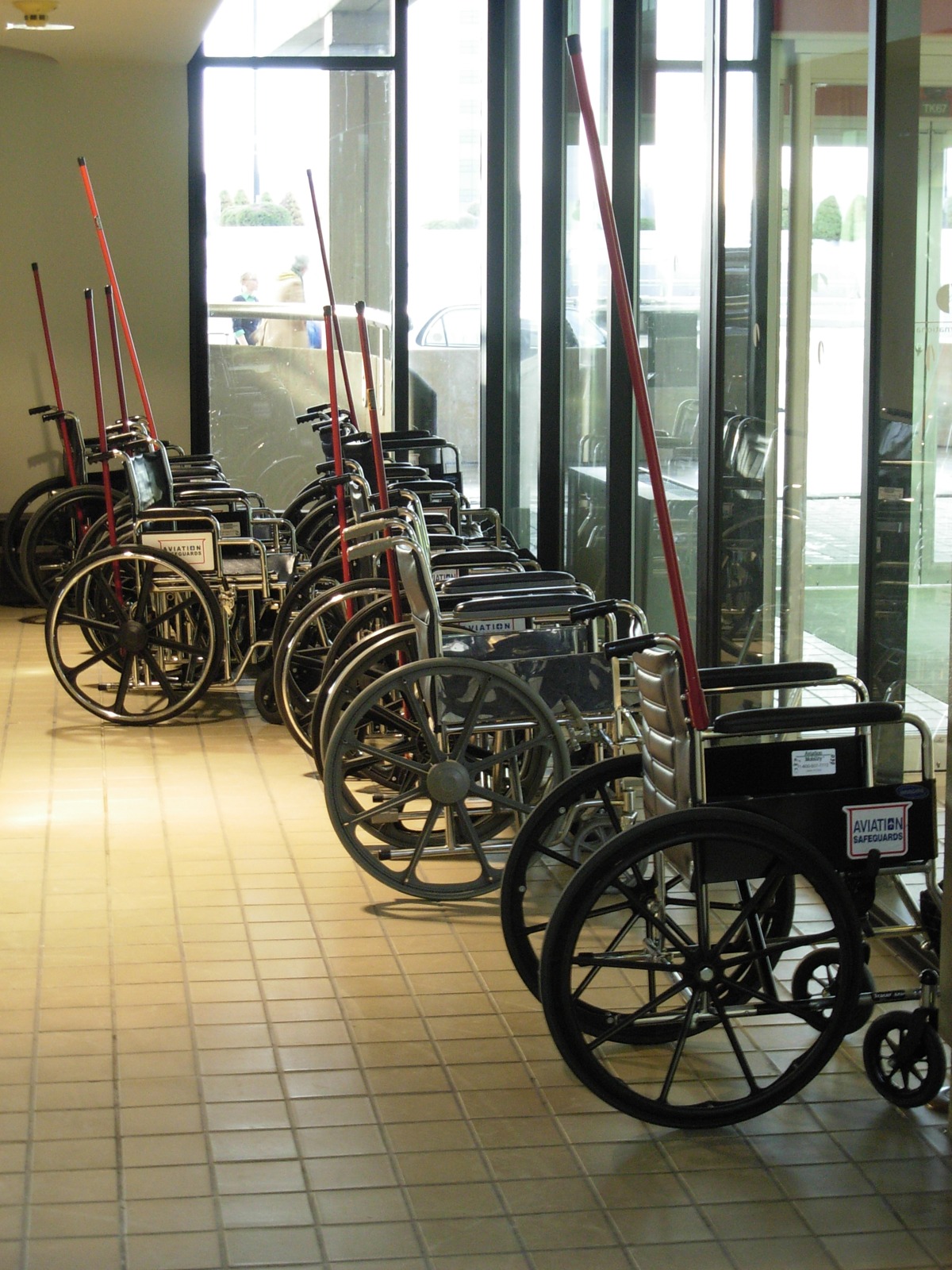
READ THE REPORTDOT’s carrier tables show uneven progress as the department extends its pause on enforcing selected wheelchair-rule provisions.
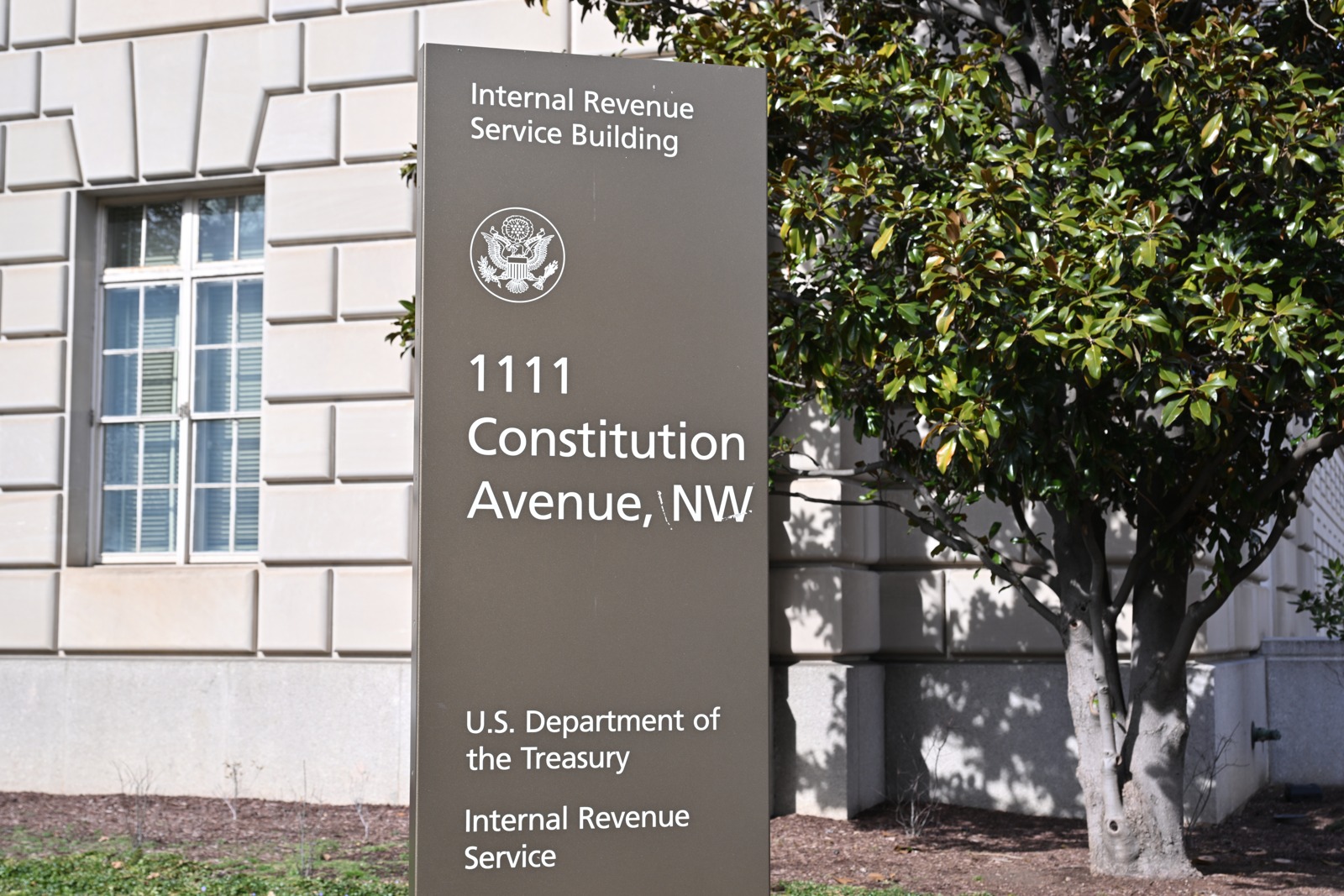
READ THE REPORTThree federal records show why a smaller collection inventory did not mean less assessed debt — and why offer-in-compromise figures require careful denominators.
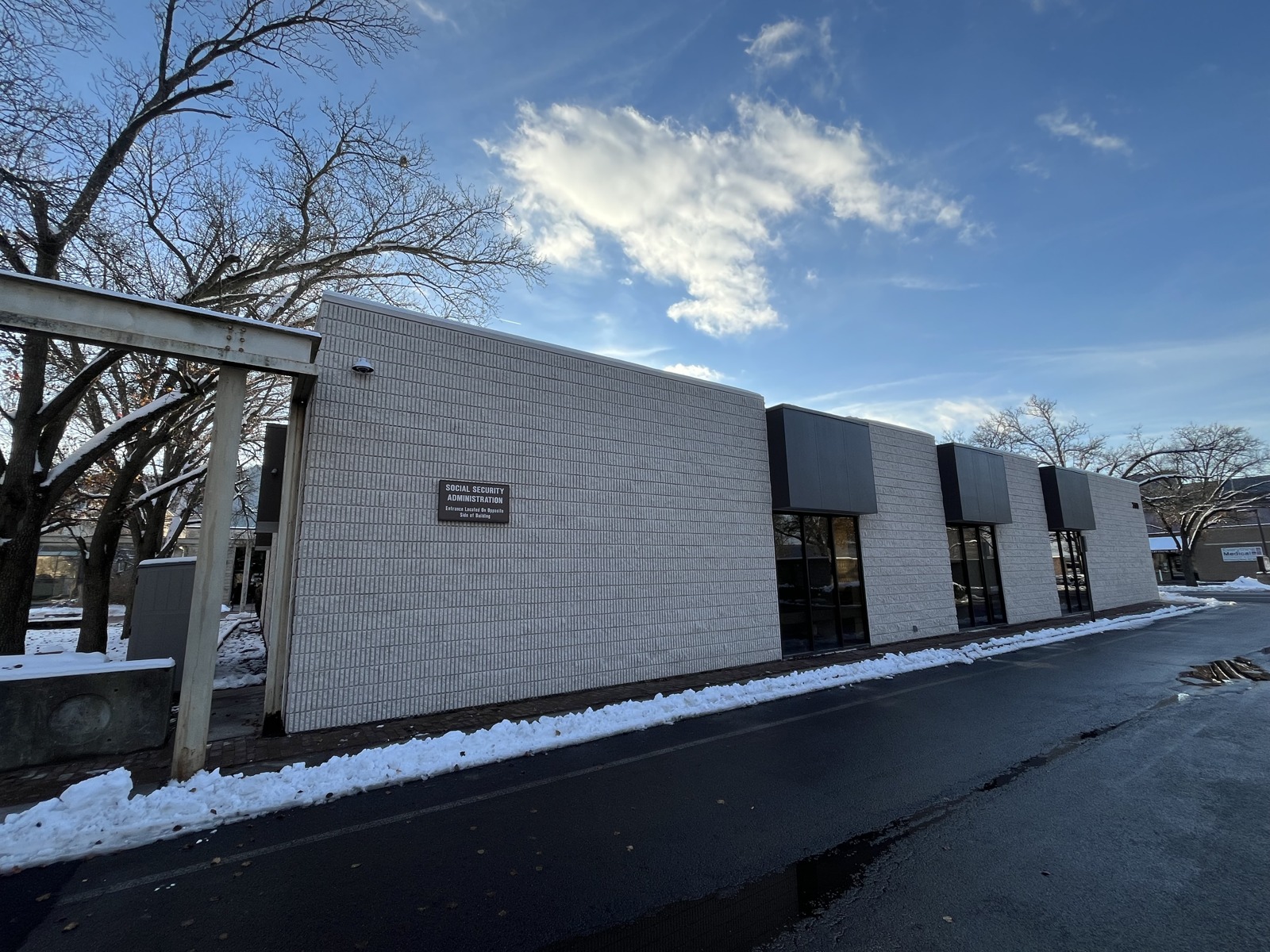
READ THE REPORTOur examination of Social Security’s September data release finds that 30 state agencies had more reconsiderations pending, even as the national total improved. California retained the largest queue.
READ THE REPORTComparing the agency’s inspection categories shows a 37.7% drop in high-risk coverage while the other category edged upward. New state partnerships and a verified scheduling fix address different parts of the problem.
READ THE REPORTRecalculating postal targets separates easier benchmarks from better results: nearly all of one 2025 improvement came from a lower target, while spring 2026 delivery actually improved.
READ THE REPORTThe latest funding plan and an inspector general’s tables show why household and project counts alone can misread the effort to reach communities with the hardest sanitation needs.
READ THE REPORTA comparison of two September audits shows why error counts, unsupported payments and recoverable losses cannot be treated as interchangeable measures.
READ THE REPORTHalf of the reviewed audits requiring additional corrective work took more than two years to close. None of the no-further-action cases did.
READ THE REPORTA proposed ownership-screening expansion addresses one documented gap. The largest dollar category concerns a separate limit on blocking pharmacy payments.
READ THE REPORTA comparison of four completed projects shows that full repayment and a clean cost-overrun label do not establish whether promised savings materialized.
READ THE REPORTComparing an audit’s agency policies, transaction findings and counting notes shows two different control failures—and why nine identified items cannot be divided by 1,316 listings to produce a reliable equipment-wide compliance rate.
READ THE REPORTOur comparison of a federal audit’s seven regional rows finds that the Near East and worldwide portfolios retained more cumulative obligation value than they lost to terminated awards—even though most awards in both groups ended. These figures are not savings or money still available.
READ THE REPORTRecalculating six years of federal incident counts shows a 2.8% decline in fiscal 2025 after a much larger rise. Most of the latest decrease came outside the sexual-harassment category, and VA lacks the prevalence measure needed to evaluate prevention.
READ THE REPORTOur reconstruction of federal records places a March 2025 training suspension before two changes in frontline assistance. FEMA's written response gives September 2027 and May 2028 deadlines for corrective work; a November 2026 staff course is a different commitment.
READ THE REPORTMatching two federal audit tables exposes a shared documentation gap at Energy, Transportation, NRC and SBA—even though each met GAO’s inventory-maintenance test. Missing records do not prove the devices lacked safeguards.
READ THE REPORTA comparison of USDA’s 2024–27 plan and a September 2026 audit distinguishes detailed property-risk analysis, existing pest projects and the missing nationwide assessment for farms and forests.
READ THE REPORTSeparating initial findings from corrections made during a federal review shows real repairs alongside unresolved system-specific assessment gaps.
READ THE REPORTJoining three audit tables shows overlapping weaknesses in five of eight selected systems. Transportation’s two systems met all three reviewed practices after it supplied additional evidence.
READ THE REPORTOne-third of crisis centers had not answered an optional cyber survey. In a separate 12-center checklist sample, five still lacked complete required submissions more than a year after the deadline.
READ THE REPORTA recalculation of the federal funding table shows how one office dominates money actually disbursed. The figures describe a September 2025 snapshot, not current project completion.
READ THE REPORTFifteen of 19 baselined acquisitions had revised goals, eight programs lost at least 20% of staff, and the department dissolved its central oversight office before partly rebuilding it.
READ THE REPORTThe Access Board received 41 complaints about GSA office buildings over 45 months, yet GSA had not publicized the process on which enforcement largely depended.
READ THE REPORTGAO attributed about $6.7 billion to the deferred-resignation program while finding a 144% holiday-period reporting spike that OPM would not retroactively correct.
READ THE REPORTA 2009 review team was never fully sustained, joint training required in 2021 remained incomplete, and new Justice Department directives left both agencies uncertain about what still applied.
READ THE REPORTThe agency’s 2025 report left out beacon counts, usage frequency and emergency types because its internal instructions did not list all congressional requirements.
READ THE REPORTGAO found the reporting gap while examining more than 6,000 fiscal 2024 awards in federal research programs that distributed $4.4 billion that year.
READ THE REPORTThree agencies also did not provide control information, leaving GAO unable to assure Congress that sensitive systems were protected—without establishing that a breach occurred.
READ THE REPORTThe count grew from about 19,000 to 30,000 in three years; GAO found varying local-team expertise and inconsistent written notices after VA decentralized some decisions.
READ THE REPORTThe legal gap remained across a sector of nearly 170,000 systems even after EPA completed a risk assessment and plan responding to earlier federal oversight.
READ THE REPORTOnly three systems had modernization plans containing all key practices, while Congress still had not acted on GAO’s broader planning recommendation by February 2026.
READ THE REPORTGAO counted 82,785 traced firearms with a U.S. source, but federal agencies lacked consistent rifle data and measures showing whether $126 million in counter-trafficking work was effective.
READ THE REPORTThe nuclear regulator used only the bonus authority Congress added in 2024, as its workforce-planning tool slipped to fiscal 2027 and advanced-reactor demand grew.
READ THE REPORTThe programs carried $10.3 billion in planned spending; six also lacked zero-trust implementation plans and three lacked approved cybersecurity strategies.
READ THE REPORTGAO found the federal average dropped from about 36,300 to 20,300, but the national picture cannot be completed because citizenship data for state and local incarceration are not comprehensive.
READ THE REPORTState processed 11.7 million visitor visas in 2025, but average waits reached 201 days and officers assigned to nonimmigrant visas fell 33% in one year.
READ THE REPORTGAO found $92 million in net deobligations, while 95% of the department’s projected avoidance came from 30 long-term IT contracts whose work shifted elsewhere.
READ THE REPORTShareholders lost more than $29 billion in the two banks, while GAO found bank regulators’ reviews were not designed around investor protection.
READ THE REPORTMore than $10 billion in original acquisition value entered the system, but GSA’s scorecard omitted core measures of timeliness and taxpayer return.
READ THE REPORTThe total rose from 45 to 316, while the Navy, Marine Corps and Air Force lacked procedures to verify reported costs and savings.
READ THE REPORTGAO found sharply different staffing conditions across nine installations and no departmentwide assessment of 2025 civilian workforce reductions.
READ THE REPORTA federal review found long gaps in state oversight and implausible school-performance rates, even as nearly $27 billion flowed through the law’s major grant programs.
READ THE REPORTGAO found incomplete responsibility assignments and documentation gaps after the State Department took over a $624 million aid portfolio.
READ THE REPORTGAO found that 76% of personnel rely on private housing while 41% of units sit in remote or high-vacation-rental areas.
READ THE REPORTThe nuclear-security agency spent nearly $24 billion through nine operating contracts but had not documented criteria for a project-accountability tool GAO says could improve visibility.
READ THE REPORTGAO found that the Indian Health Service’s tracked need reached $5.9 billion and estimated at least $6 billion more was required as of November 2025.
READ THE REPORTGAO’s modeled annual-loss range runs from $116 billion to $304 billion—2% to 6% of 2022 tax liability—while two basic antifraud governance steps remain undone.
READ THE REPORTGAO found the service’s largest construction effort lacks regular consolidated cost, risk and performance reporting for a program expected to last more than half a century.
READ THE REPORTRecords trace a four-month policy reversal: VA declined new authority in April 2025, said engagement had ended in June 2026, then pursued partial services by August without a delivery date.
READ THE REPORTDEA followed every required recommendation that reached a final rule, but GAO found undocumented procedures at DEA and FDA and a coordinating agreement more than 40 years old.
READ THE REPORTGAO’s records show eligibility shifted younger as VA committed $3.1 billion in fiscal 2025 and modeled a further 25% increase under broader heart-disease coverage.
READ THE REPORTGAO counted 37 completed or closing projects among 1,245 awards, while about 700 additional applications tied to $2.2 billion remained pending after a disrupted year.
READ THE REPORTA GAO review found limited federal examinations uncovered noncompliance 60% of the time; separate survey data showed out-of-pocket purchases but could not determine whether each payment was improper.
READ THE REPORTGAO found recurring mental-health, equity and care-coordination recommendations, but most selected review committees said measuring the response remained difficult.
READ THE REPORTAdministrative space remained nearly flat at 716 facilities and roughly 40% of rent, but the judiciary lacked the occupancy data needed to identify underused offices.
READ THE REPORTThe agency purchased 11 warehouses for $1.07 billion, then identified seven for sale after determining they were unsuitable or no longer needed; at least $20.5 million was already unrecoverable.
READ THE REPORTGAO found nine approved properties still undisposed as a temporary federal process neared its end; Congress withheld new fund access for three consecutive years.
READ THE REPORTGAO found no spending with five prohibited Chinese companies in three fiscal years, yet DOD and GSA were not broadly sharing affiliate and supply-chain information.
READ THE REPORTGAO records show FEMA produced $999.4 million of the $1.002 billion deobligated after 362 DHS grant terminations; some mitigation work was delayed nearly a year.
READ THE REPORTGAO found 39 of 73 closed investigations exceeded three years; none of 11 substantiated cases received the secretary’s required decision within 30 days.
READ THE REPORTGAO’s national survey estimated 2 million students lost 3.5 million days as plumbing, extreme heat and other building problems canceled school in 2024–25.
READ THE REPORTOversight.gov’s monthly series jumped $33 billion in March; that single increase accounts for 70.5% of the $46.8 billion cumulative total reported through August.
READ THE REPORTGAO found 18 of 20 fictitious applicants still covered, while Social Security numbers tied to more than a year of subsidized coverage rose from 29,000 to nearly 68,000 in one year.
READ THE REPORTMore than 4,300 employees left in fiscal 2025—55% more separations than a year earlier—while GAO found reduction decisions were not based on an assessment of mission needs.
READ THE REPORTGAO counted 126 active AI use cases, found missing benefit information in more than a quarter, and documented the loss of 63 AI-related staff in one analytics group.
READ THE REPORTGAO’s decade-long records review found a small number of large banks produced nearly all of the first-quarter 2023 jump in Federal Home Loan Bank borrowing, even as most members’ reliance remained steady.
READ THE REPORTDOE requested more than $950 million for FY 2026 maintenance and repairs, roughly 80% above FY 2020 actual spending, while GAO found more than $1.5 billion in repair needs and unreliable facility records.
READ THE REPORTA GAO case-file review found preparedness and public-communication gaps across 16 governments responding to recent disasters, while six federal recommendations remain open.
READ THE REPORTGAO found VA community care and Medicare Advantage had major improper-payment estimates while neither program had completed a comprehensive fraud-risk assessment.
READ THE REPORTGAO found depot maintenance delays grew after 2019 while revised performance targets could be reset to match the number of days work actually took.
READ THE REPORTA review of GAO’s oversight record finds rapid growth in discounted-drug program sites outpaced completion of recommendations on eligibility, duplicate discounts and audits.
READ THE REPORTOur calculation from USDA’s updated workbooks finds a $41.1 billion burden concentrated in five pathogens—even though the underlying national incidence estimates date to 2011.
READ THE REPORTOur analysis of GAO’s audit finds pre-existing terminations represented 40.9% of listed leases and 28.6% of claimed lease savings, while one $1.7 billion contract claim produced no documented savings.
READ THE REPORTGAO reviewed 68 program-change requests and found one required six rounds of questions over two months; Education rejected a formal-coordination recommendation.
READ THE REPORTFederal records show diverging workload and staffing trends, while all three GAO recommendations on hiring and training remain open.
READ THE REPORTA federal review found the AI translation project operating at about one-quarter of forecast offices without documented goals, resources or a long-term plan.
READ THE REPORTA comparison of federal fine notices and enforcement data documents corrected pricing disclosures while leaving a separate question unanswered: how much penalty money was collected?
READ THE REPORTOur comparison of federal oversight and health-program records finds that Medicare and Medicaid account for about half the reported total—and that a major portion of the annual increase reflects a newly reported estimate.
READ THE REPORTFederal forecasts and state records reveal why a promise to cover electricity costs must also account for projects that shrink, stall or disappear.
READ THE REPORTFederal transparency rules reveal more about insurance decisions, but a review of the reporting requirements, an insurer’s disclosure and new watchdog findings shows why overall approval rates cannot answer a patient’s most urgent question.
READ THE REPORTThree 2026 recalls cover about 532,500 products sold through Amazon. Their notices explain the hazards and remedies but offer no tally of completed fixes.
READ THE REPORTEach report links to the public documents or datasets behind its findings.
Data analyses explain their comparisons, dates and calculations so readers can follow the work.
These reports distinguish documented findings from questions the available records cannot resolve.
Reporting methods and limitations appear in each article. Read our editorial standards or send a correction.
Share the investigations collection with a neighbor, colleague or community group.