The capacity behind an accelerated mandate
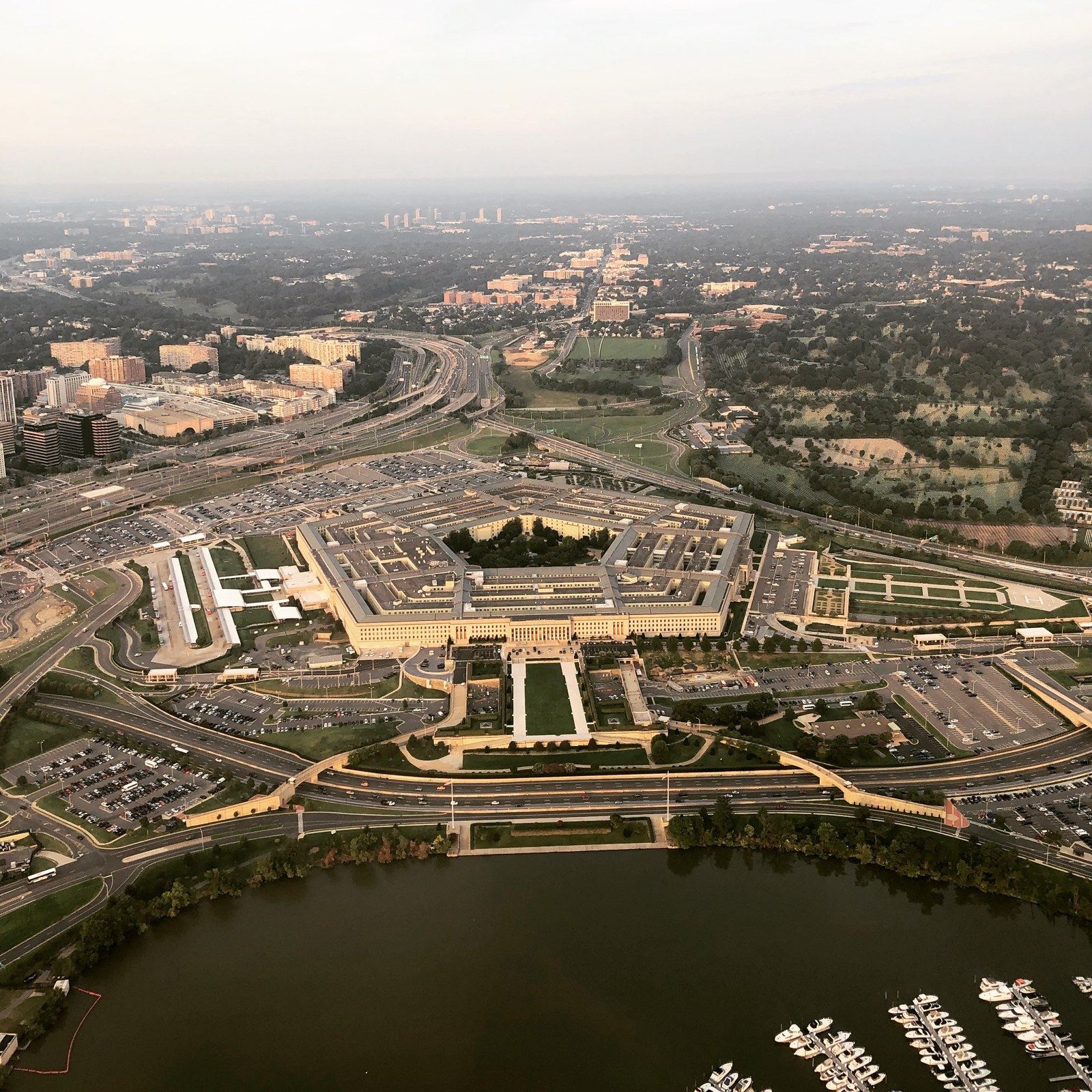
As the Pentagon orders faster military adoption of artificial intelligence, the office responsible for helping make that adoption trustworthy had only three of ten authorized positions filled in February 2026. What’s the Scoop With Broach compared the January 9 strategy memorandum with an October 14 Government Accountability Office report and its survey appendix. The records show a capacity problem spanning both the central office and selected projects expected to implement its guidance.
The audit’s appendix provides a revealing comparison: seven of ten selected military components said additional responsible-AI staff or expertise would improve their ability to incorporate the department’s safeguards. That was the most frequently selected option in the appendix’s list of twelve possible improvements. Six selected sharing resources, access to tools on classified networks, and developer training. Respondents could select multiple answers, so these are overlapping needs, not competing shares of a fixed total.
The accountability question is whether the department has given its acceleration policy the personnel, collaboration structure and outcome measures needed to carry it out. The record does not establish that military AI systems are universally unsafe, or that the February staffing level is unchanged today. It does establish that the new strategy added responsibilities while the audit documented unfilled positions and unfinished implementation work.
Three different measures of progress
The Responsible AI Division’s three filled positions represent 30% of its ten authorized slots; seven were unfilled. Separately, April 2026 documentation showed 29 of 64 lines of effort in the department’s 2022 implementation pathway incomplete—45.3%. These are different denominators and dates. The latter is a department-wide work-plan measure, not the percentage of unsafe AI systems or unfinished tasks assigned exclusively to those three staff members.
GAO’s selected-project survey is a third measure. It coded a tenet as having steps taken if a response described action on one or more aspects. That is an initial-implementation test, not certification that every safeguard is complete or effective. GAO also reports that the central office had not developed metrics to measure implementation of Responsible AI, although it tracked the pathway’s individual lines of effort.
The report’s footnotes further distinguish toolkit reach from demonstrated results. Officials said at least four components used the central toolkit somewhere in their organizations. For the ten particular use cases in the survey, however, two reported using the central tools, seven did not, and one did not know. Those figures are compatible because an organization can use a toolkit on one project and not another. They cannot support a claim that eight of ten components refused safety tools.
A working council resumed, with its structure still unresolved
The Responsible AI Working Council did not meet from late 2024 until August 2025. Officials told GAO that work on generative-AI tools and government-wide risk-management resources displaced organizing the meetings. Four components described challenges during the lapse that would have benefited from collaboration, including interpreting guidance and establishing governance structures.
The council resumed meetings in August 2025. Reporting it as still suspended would therefore be wrong. GAO’s remaining finding is that it lacked a charter specifying roles, responsibilities and meeting frequency, leaving continuity vulnerable to another lapse. The report describes informal collaboration and successful exchanges as well, including shared performance knowledge and testing practices.
The January strategy, preserved by the University of North Texas’s Government Documents Department, directs the central AI office to establish usage and mission-impact metrics, align existing AI guidance with the new memorandum, and support service-level integration leads. Its procurement language emphasizes models usable for lawful military applications. Comparing that assignment with the audit identifies additional management duties; it does not prove whether each separate strategy deadline was met.
Agreement is not yet a tested staffing repair
The department concurred by email with GAO’s two new recommendations: formalize the council and address the division’s workforce needs. GAO also asked Congress to consider directing action on earlier collaboration and workforce recommendations. On October 16, the public recommendation page listed the two executive recommendations and congressional matter open.
This investigation is public-document analysis of the strategy, the full audit, its methods and appendix—not interviews with military personnel or observation of deployed systems. The ten use cases were deliberately selected, one per component, and are not statistically representative of all military AI. The distinctive finding is the alignment of the central staffing shortfall, the unfinished-work measure and the projects’ most commonly identified need. Hiring totals, a published council charter and independently assessed implementation results would be evidence of a repair; a statement of agreement alone is not that evidence.
Sources and further reading
GAO publication and current recommendation status, checked October 16, 2026 ↗
Strategy page 5: metrics, integration leads and policy alignment ↗