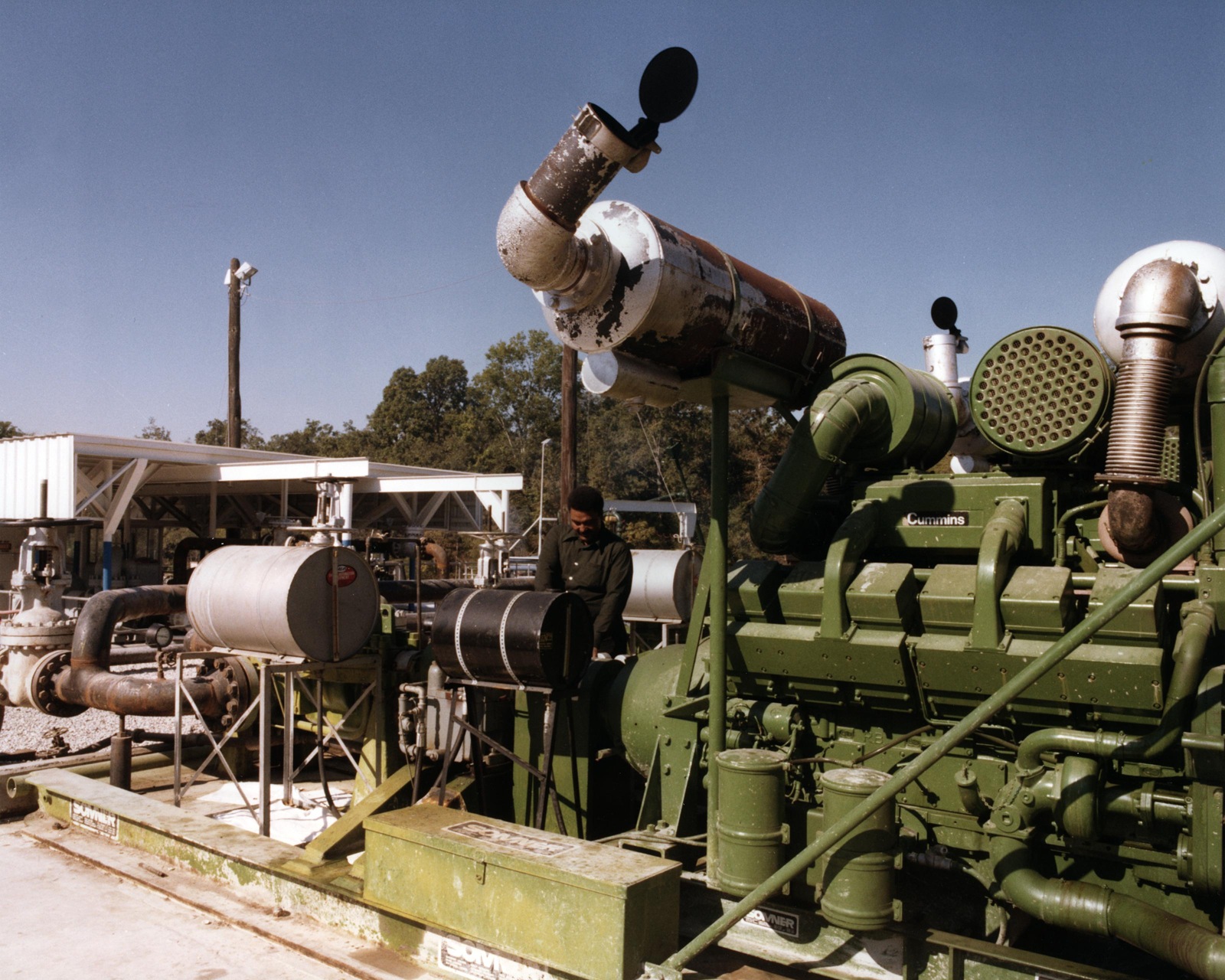
The increase is concentrated in physical repairs
Nearly three-quarters of the Energy Department’s proposed increase for the Strategic Petroleum Reserve is concentrated in two repair accounts, a comparison of its budget tables shows. The concentration helps explain what the larger request would buy: work on the infrastructure that moves emergency oil, rather than simply a larger stockpile.
DOE’s fiscal 2027 request raises the reserve’s main account from $206.325 million to $295.102 million. Casing inspections and remediations rise from $36.535 million to $71.898 million, while major maintenance rises from $2.691 million to $32.710 million. Together, those two changes supply $65.382 million of the $88.777 million increase, or 73.6%, according to calculations by What’s the Scoop With Broach.
The major-maintenance line alone is 12.2 times its fiscal 2026 level. That striking multiple partly reflects a small starting amount: the same line stood at $7.202 million in fiscal 2025. The tables identify the earlier figures as enacted amounts and the 2027 figure as a request. They do not establish that Congress approved the requested increase or that the money has been spent.
A large increase against a larger backlog
The requested $32.710 million for major maintenance equals about 14.2% of the $230 million backlog DOE identified as of December 2025, according to the Government Accountability Office’s reserve review. That comparison measures scale, not a predicted percentage of repairs completed: the backlog estimate is older, new needs can arise, and particular projects have different costs and schedules.
It also would be misleading to compare the entire $295.102 million operating request with the maintenance backlog. The main reserve account pays for staff, security, routine maintenance and other expenses as well as major repairs. Casing work is separately budgeted. Combining those categories into an apparent backlog payoff would count money needed for other purposes.
The two repair accounts address related but different vulnerabilities. Wells provide access to underground oil; pumps and pipelines help move it. DOE’s budget explanation anticipates 12 remediations and eight workovers in fiscal 2027, compared with one remediation and eight workovers in its fiscal 2026 explanation. More money for one component does not establish that the entire delivery system has regained its intended capability.
GAO’s review, released June 26, documents how a separate life-extension project left additional needs outside its reduced scope. All work at West Hackberry was removed from that project, although DOE said some work had subsequently received other funding. At Big Hill, further cuts were being considered partly because of cost overruns at Bryan Mound. Those changes help explain why finishing a capital project and eliminating the wider repair backlog are different milestones.
The reserve is still delivering oil
The records do not describe a reserve that has ceased functioning. GAO found that it met increasingly frequent drawdown directives, and its assessment said most storage caverns remained in good condition. DOE generally agreed with the review’s findings and accepted its recommendations. The proposed repair increase is material evidence that the department is seeking additional resources to address the problem.
Newer operational records reinforce that distinction. On September 29, DOE solicited an exchange of up to 40 million barrels from Big Hill and Bryan Mound as part of its previously announced 172-million-barrel emergency release. The department said earlier solicitations had awarded more than 133 million barrels across four completed exchanges. An offer to exchange oil is not the same as delivery, and that announcement does not certify that every maintenance problem has been resolved.
GAO’s four recommendations to DOE remained marked open when checked for this report. They include assessing lessons from the 2022 drawdown and life-extension work, revisiting operational performance criteria, and giving Congress fuller information on sustainable operating costs. Agreement with those recommendations is a commitment to act, not a completed repair.
This analysis compares the budget’s account-level changes, the dated backlog estimate and the newer exchange announcement. It does not estimate today’s maximum drawdown rate or forecast a failure. The accountability question is whether future appropriations and completed projects can be connected to specific reductions in unresolved infrastructure needs. A large percentage increase, by itself, cannot answer it. Agency responses are taken from the published records; no interviews were conducted.
Sources and further reading
DOE September29,2026 exchange solicitation announcement ↗
Photograph reuse license — Public domain — U.S. federal government work ↗