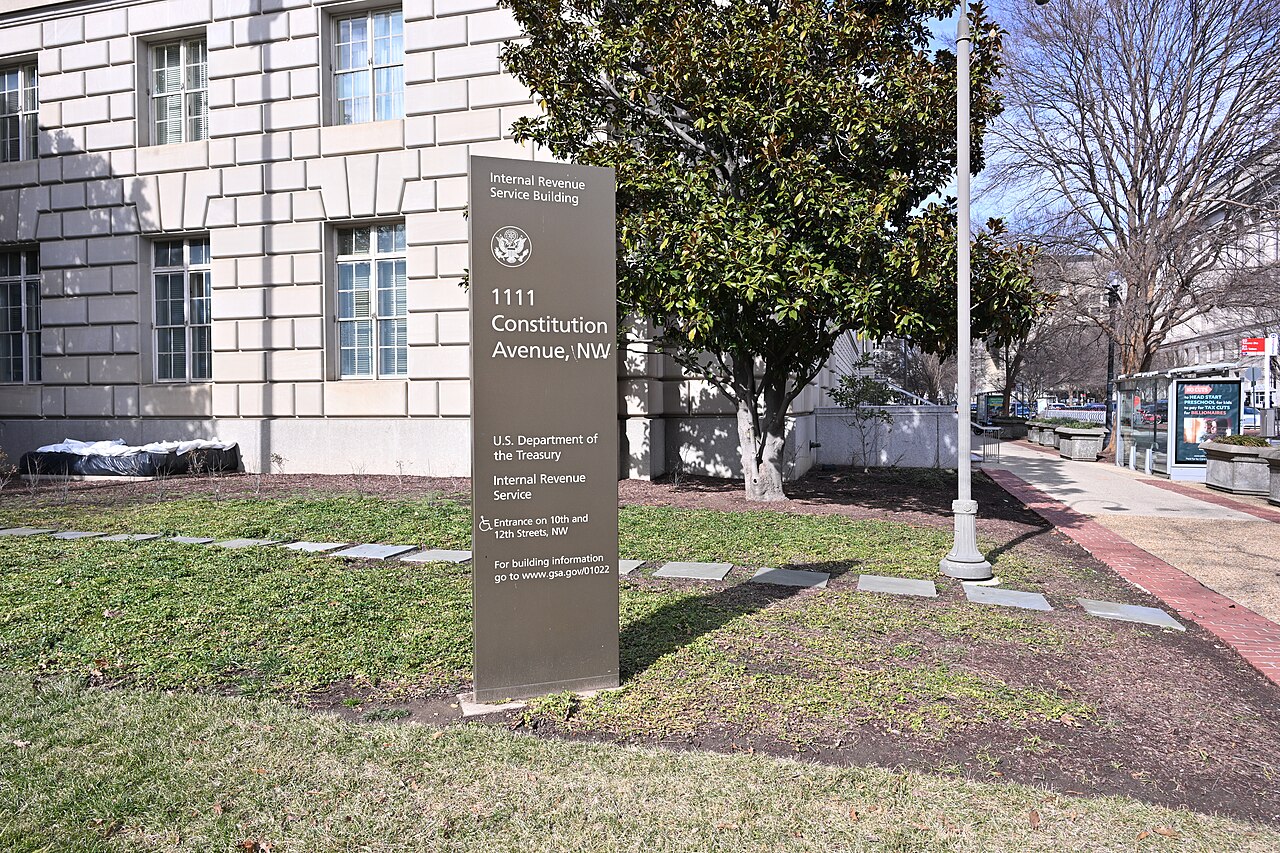
On August 7, 2025, the IRS delivered 47,289 address records to Immigration and Customs Enforcement. The transfer followed an agreement signed by two members of President Donald Trump’s Cabinet. A Treasury watchdog later found that deficiencies in ICE’s safeguards for tax information remained unresolved when the data moved.
The records expose a consequential gap between the administration’s written promises and its implementation. The agreement required valid requests and protected handling. The process that actually delivered addresses became the subject of adverse court findings.
The protections promised on paper
The April 2025 agreement invoked Trump’s immigration-enforcement agenda and described requests tied to specified federal criminal investigations, including alleged willful failure to depart after a removal order.
It required ICE to identify the taxpayer by name and address, identify the relevant criminal statute and explain why the information mattered to the investigation. The IRS was supposed to reject deficient requests. The agreement also restricted access and use to personnel and purposes authorized by tax law.
Those conditions were substantive limits on government power. A signed agreement could authorize a procedure only within the law; it could not make missing information complete or turn every employee handling a file into a criminal investigator.
How the address check fell short
ICE sought last-known addresses for approximately 1.28 million people. According to IRS official Dottie Romo’s sworn declaration, the agency matched names and taxpayer identification numbers in 42,695 disclosed records, or 90.3 percent. The remaining 4,594 used name-and-address matching.
The first method did not cross-check ICE’s supplied address against IRS address records. An initial screening accepted ZIP-code-like numbers. Some requests passed despite address entries such as “Unknown Address” or missing street information.
That does not mean 90.3 percent identified the wrong people. Names and identification numbers were compared. The failure concerned whether requests met the conditions for disclosure.
Romo said the IRS estimated that fewer than 5 percent of disclosed matches involved potentially incomplete or insufficient ICE-supplied addresses. Treasury notified DHS on January 23, 2026, and sought remediation, including appropriate disposal of affected data.
Safeguard problems preceded the new agreement
The Treasury Inspector General for Tax Administration’s June 4 report traced unresolved findings to a November 2023 review. ICE missed corrective-action submissions due in January and July 2024 and January 2025. The underlying deficiencies and both missed 2024 deadlines predated Trump’s second term.
The administration nevertheless established the new exchange. A July 2025 corrective-action plan lacked planned implementation dates, the watchdog found. As of May 2026, the IRS said ICE had not supplied the next required update. Details of the security findings were redacted.
The report counted approximately 46,965 individuals behind the 47,289 records. IRS officials told investigators they supplied last-known addresses, not other tax information. The watchdog warned about the risk to safeguarding the data; it did not establish a public leak or identity theft.
The courts distinguished authority from execution
The government had a meaningful legal argument. In Centro de Trabajadores Unidos v. Bessent, decided February 24, 2026, the D.C. Circuit affirmed the denial of preliminary relief against the agreement itself. It concluded that the relevant tax-law exception permits address disclosures when the statutory requirements are met.
On September 8, however, a different challenge produced a different result. In Center for Taxpayer Rights v. IRS, the same appeals court upheld preliminary restrictions on the implemented data-exchange procedure.
The panel found the challengers likely to succeed because the procedure failed to require a taxpayer address in every request and failed to confine disclosure to personnel personally and directly engaged in the relevant criminal investigation or proceeding.
This was a ruling on preliminary relief, not a final judgment resolving the entire lawsuit. It also was not a blanket ruling that every IRS disclosure to ICE is unlawful. The distinction is central: the government’s ability to request some information did not excuse the way this particular process operated.
ICE had already compared the addresses
A separate February 5 Massachusetts court order described an ICE declaration stating that personnel compared the IRS information with agency records and identified approximately 33,000 updated addresses.
In granting preliminary relief, Judge Indira Talwani treated that comparison itself as impermissible use by personnel outside the statutory category, even accepting the government’s position that nothing further had been done. She issued preliminary restrictions on DHS and ICE inspecting, using or distributing information obtained under the arrangement.
These records establish transfer and internal comparison. They do not establish that the transfer caused particular arrests or deportations.
The administration continued contesting those restrictions. The New Bedford Light reported from the October 7 First Circuit hearing that government lawyers defended the request as connected to a criminal investigation involving people with final removal orders and challenged the plaintiffs’ standing. The court had not announced a decision at that hearing.
The stake extends beyond one immigration policy
The IRS’s own Taxpayer Bill of Rights promises confidentiality unless disclosure is authorized by the taxpayer or by law. That qualification requires the government to satisfy the law’s conditions.
Tax administration also reaches people across immigration categories. The IRS explains that an Individual Taxpayer Identification Number serves federal tax purposes and does not establish immigration status or work authorization. The people described in this investigation should not be treated as a single group merely because their records contained tax identifiers.
The accountability question is therefore specific: why did the new exchange proceed while safeguards remained unresolved, and why did the operational checks fail to enforce the conditions the agencies had accepted?
The administration’s defense of immigration enforcement does not answer those implementation failures. Taxpayer confidentiality depends on what agencies actually verify before they release information. By the time courts halted the challenged process, the addresses had already changed hands.
Reporting basis: An independent review of publicly available agency records, sworn declarations and court opinions, with the October 7 hearing update attributed to The New Bedford Light. Government positions are drawn from those records and the attributed hearing coverage.
Sources and further reading
IRS declaration, paragraphs 4 and 10 ↗
Treasury inspector general report, pages 3–4 ↗
Centro de Trabajadores Unidos v. Bessent, decided February 24, 2026 ↗
Center for Taxpayer Rights v. IRS ↗
February 5 Massachusetts court order ↗
The New Bedford Light reported from the October 7 First Circuit hearing ↗
Individual Taxpayer Identification Number ↗
Photo: G. Edward Johnson — IRS headquarters sign, February 7, 2025 ↗
Photo license: Creative Commons Attribution 4.0 International ↗