Two requests, two kinds of accountability
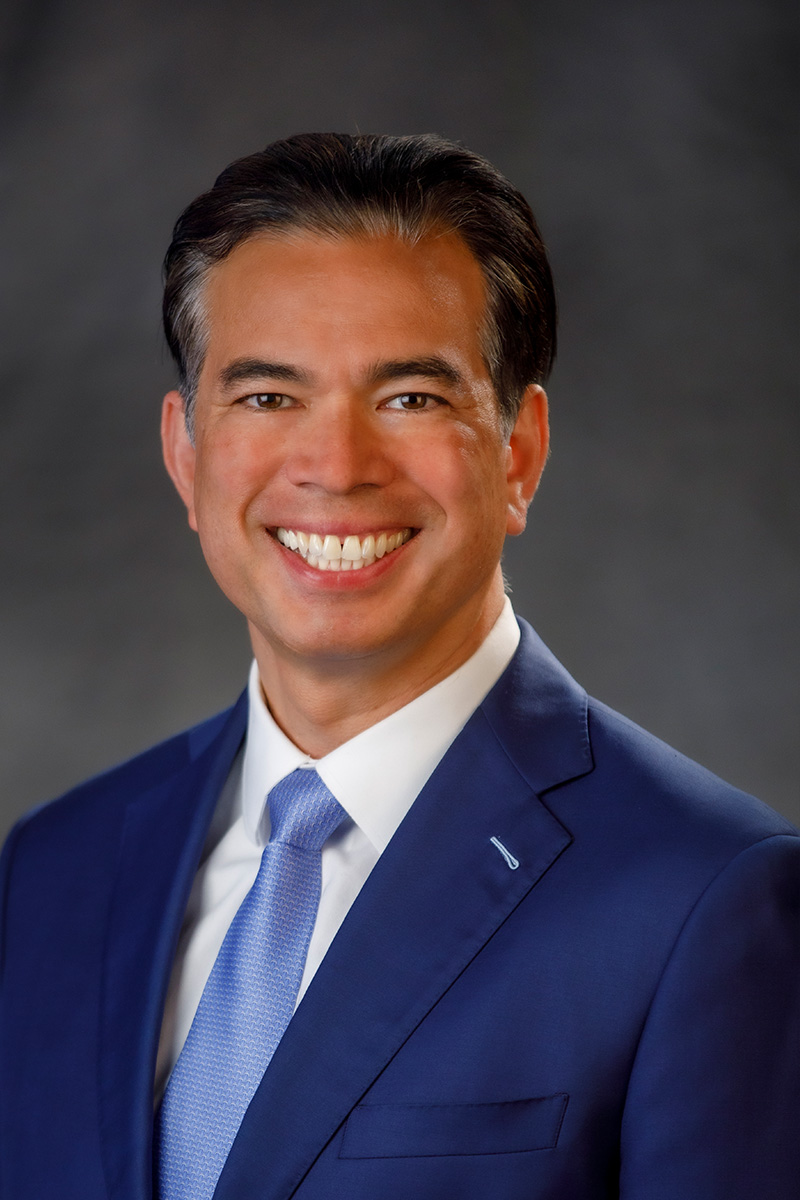
California Attorney General Rob Bonta’s October 5 letter asks the Government Accountability Office to investigate federal funding for advertisements featuring President Donald Trump and asks the Office of Special Counsel to examine employees’ involvement under the Hatch Act. The distinction matters: a spending review and an employee-conduct case do not resolve the same question.
The ten-page complaint describes at least five advertisements and alleges they promote partisan interests using government resources. It asks GAO for a legal opinion on appropriations restrictions and separately seeks OSC action. Those are Bonta’s allegations and requests, not findings issued by either watchdog.
The administration disputes the premise
In a September 25 statement, the White House described the advertisements as public service announcements. It argued that Trump was not on the ballot, that the announcements contained no call to action, and that presidents of both parties had used advertising to explain government initiatives.
That defense and Bonta’s complaint frame the substantive disagreement: does the actual content advance an authorized public information purpose, or use public resources for partisan promotion? A government-paid label identifies a claimed funding source; it does not, by itself, decide that question.
What a spending review would need to connect
An independently checkable accounting would connect the contract authorization, the source of appropriated money, invoices for production and placement, and the particular advertisements purchased. A contract ceiling would not establish that the entire amount was spent. An airtime estimate would not necessarily include production costs.
Our review establishes the competing written positions, not a complete expenditure total. We have not obtained the full payment record or a GAO or OSC disposition of this complaint. The practical accountability test is whether a subsequent response identifies the transactions it examined and explains its conclusion under the applicable restrictions.
The complaint also acknowledges the president and vice president are exempt from the Hatch Act. Its employee-conduct request therefore should not be rewritten as a claim that the president personally faces Hatch Act penalties.
Sources and further reading
California attorney general: October 5 request to GAO and OSC ↗
White House: September 25 defense of public service announcements ↗