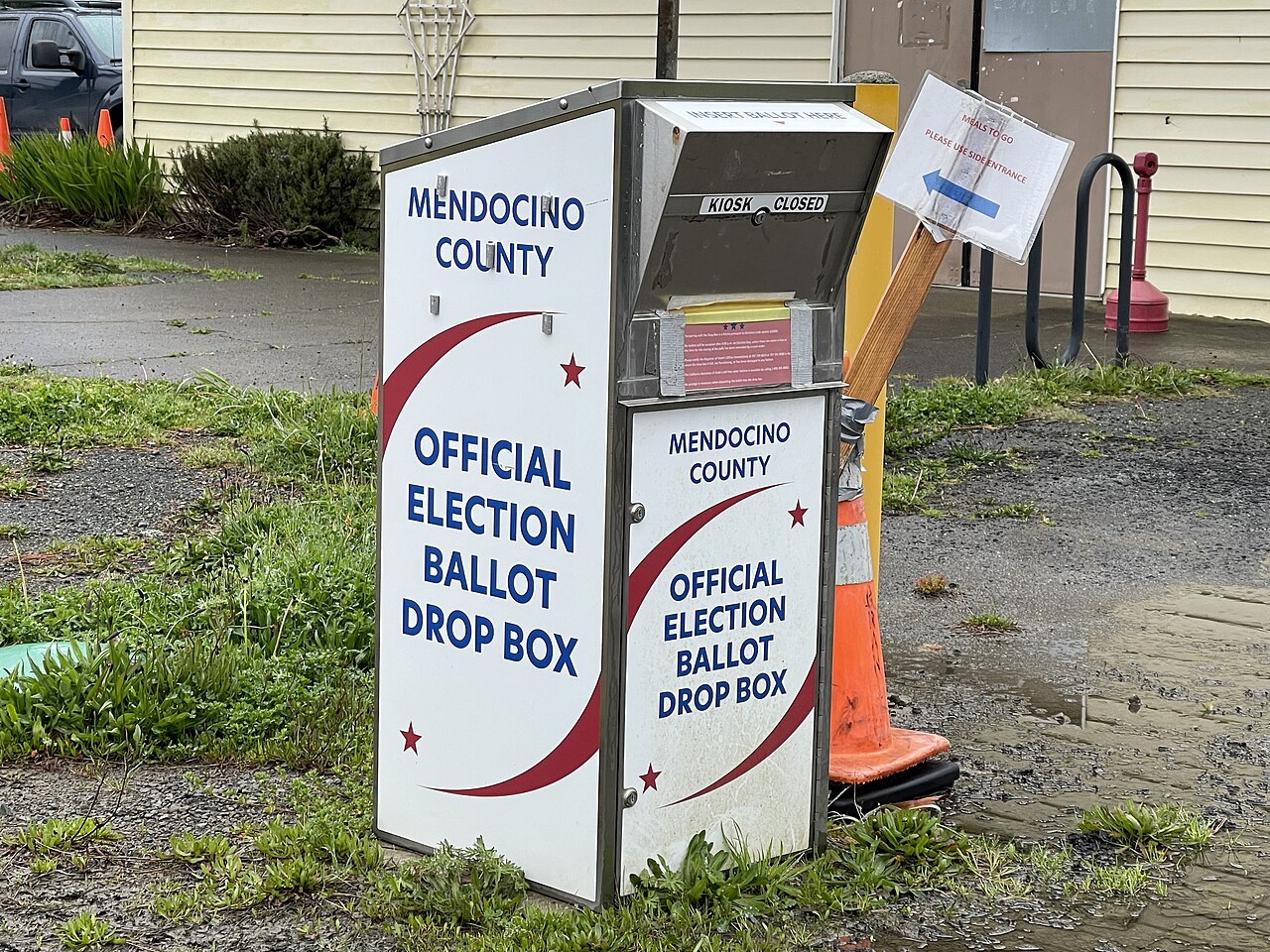
A smaller election budget still asks more from the county
Kern County Elections’ adopted fiscal 2025–26 appropriation is $6.32 million, down $856,461, or 11.9%, from fiscal 2024–25 actual spending. Services and supplies account for nearly all of the reduction, falling $965,956.
But total revenue drops from $2.12 million to $222,100—an 89.5% decline. As a result, the magnitude of net county cost rises from $5.05 million to $6.09 million, an increase of $1.04 million, or 20.6%.
| Measure | FY 2024–25 actual | FY 2025–26 adopted | Change |
|---|---|---|---|
| Revenue | $2.12M | $0.22M | −$1.90M |
| Salaries and benefits | $2.23M | $2.34M | +$0.11M |
| Services and supplies | $4.94M | $3.98M | −$0.97M |
| Total appropriations | $7.17M | $6.32M | −$0.86M |
| Net county cost | $5.05M | $6.09M | +$1.04M |
Charges for services explain the apparent contradiction
Charges for services produced $2.05 million in the actual year but are budgeted at $163,100. Intergovernmental and miscellaneous revenue together fall only about $7,900; the service-charge change is the dominant reason overall revenue contracts.
That pattern is consistent with the difference between a presidential-election year and the following fiscal plan, but the summary does not identify which jurisdictions or contests generated the prior charges. It should not be described as a loss of recurring revenue without those billing records.
The relevant comparison is financing, not a claim of overspending
The original contribution is to separate budget size from local burden. The department’s spending authority declines, yet the amount financed from general county resources rises because reimbursable or charge-supported activity falls faster.
Election calendars are not interchangeable. A year containing a presidential election can carry different ballot-printing, staffing, mailing and reimbursement patterns from an off-cycle year. The figures do not establish waste, a service cut or a change in election security.
Method and limitations
The newsroom recomputed the changes from Schedule 9 and kept the actual-to-adopted labels visible because comparing an executed year with an authorization has limits. No election invoice or cost-per-ballot file was reviewed.
A fuller efficiency test would compare like elections, registered-voter counts, ballots processed, reimbursements billed and final expenditures. This report establishes the financing shift in the adopted record only.