An assurance awaiting verification
The proposed RB Inyokern Data Center’s applicant told state reviewers in July that running its backup generators at full load produced the highest modeled health risks, and that lower loads stayed below those levels. Eighty-six days later, California Energy Commission staff said they still could not match the supplied modeling files to some published results and requested the specific output files supporting those assurances.
What’s the Scoop With Broach compared the June questions, July answers and September follow-up. The issue is not whether a large volume of material was submitted. It is whether reviewers can reproduce the conclusions that justify treating the project’s environmental effects as acceptable. The September request describes more than 600 megabytes of electronic files without an index and seeks a direct trail from model output to reported results.
Short tests make startup assumptions consequential
The applicant’s July testing description provides a minimum 30-minute loaded readiness test each month, conducted one engine at a time. It also describes modeled pollution-control warm-up periods ranging from seven to 21 minutes, depending on engine load. Comparing those durations, warm-up is equivalent to 23.3% to 70% of a 30-minute test.
That calculation is a scale comparison, not a measurement of actual uncontrolled emissions or proof that every test begins with cold equipment. The records do not establish a fixed test schedule across load levels. But it shows why the time needed for controls to work cannot be dismissed as a negligible detail merely because the generators are intended for backup use.
June’s initial staff request already asked for vendor documentation confirming warm-up times at low loads. July’s response pointed to temperature thresholds, engine performance information and drawings as an engineering basis for its assumptions. September’s follow-up sought actual vendor confirmation of the durations. Temperature information and elapsed-time verification answer related but distinct questions.
A traceable number is different from a stated margin
R&L Capital’s July response reported modeled cancer-risk figures of 4.89 per million at full load and 1.83 per million at 10% load, below the 10-per-million significance benchmark it cited. Those are the applicant’s modeled estimates, not observed cancer rates or independently verified predictions by this publication.
The comparison reveals a specific remaining test: staff needed the files and a load-by-load summary that support the claimed ordering of risks. A narrative assertion that full load is conservative does not establish that conclusion for every pollutant, averaging period and receptor. We have not rerun the dispersion or health-risk models, and we do not convert missing traceability into a finding that a threshold was exceeded.
Staff’s earlier questions also sought enforceable limits for testing one engine at a time, restricting testing hours and accounting for warm-up in daily emissions. That sequence matters: a modeling assumption can protect neighbors only to the extent that the eventual operating rules reflect it. Proposed limits and issued permit conditions are different stages of review.
Another discrepancy affects carbon accounting
Staff also questioned a generator carbon-dioxide rate of 1,451 pounds per hour, citing specifications ordinarily indicating more than 4,400 at full load. That is an unresolved calculation concern, not an observed violation. An annual impact estimate would additionally require operating hours and loads; multiplying the discrepancy by continuous year-round operation would misrepresent this backup-power proposal.
The project remains in review
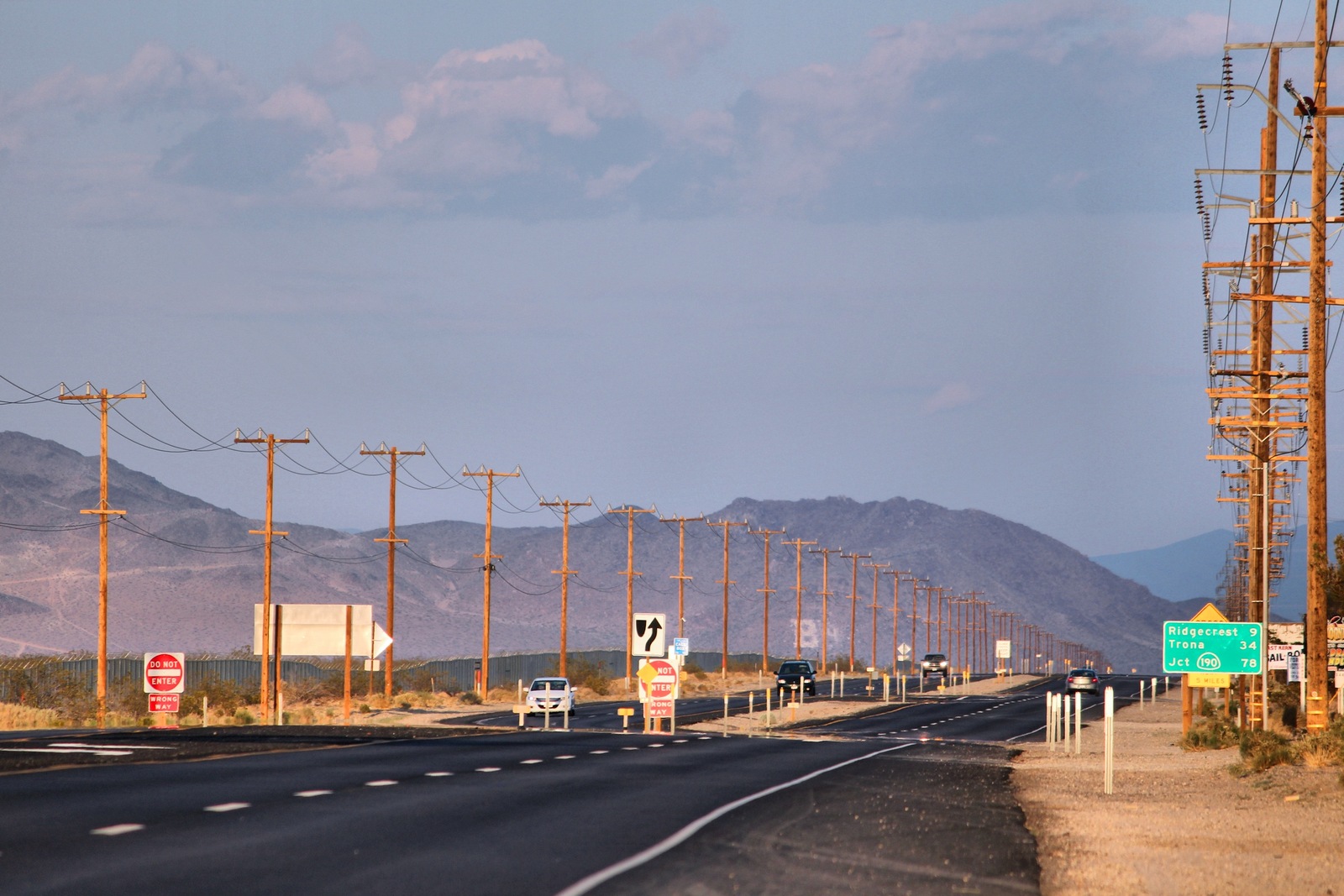
The commission’s project page, checked October 8, lists the application as under review. It describes 40 diesel generators, each rated at three megawatts, serving a facility proposed to provide up to 99 megawatts of emergency backup power. It also identifies emissions controls and specifies that the generators would not provide grid support or peak shaving.
The September 25 letter requested answers within 30 days; this report appears only 13 days later. We therefore do not characterize the applicant as late. The docket reviewed for this article did not establish a completed response resolving these September questions. No new comment was sought; the applicant’s July explanations are presented directly from its filing.
Even an eventual small-power-plant exemption would not itself authorize construction and operation. The commission explains that local land-use and air-permit decisions would follow. The present accountability question is narrower: whether the record can substantiate the limits and environmental assurances before the relevant agencies rely on them.