A temporary agreement is now a sixteen-month bridge
Arvin’s September 22 council records extend its temporary effluent agreement with Zam Farming, LLC through December 31, 2026. The agreement began August 5, 2025 with a six-month term. The new endpoint lies 513 elapsed days after that start—roughly sixteen months and three weeks.
The September 22 minutes included in the city’s October 13 packet record a unanimous vote approving the extension as Agreement 2026-23. Those minutes were presented for approval on October 13; they are the clerk’s published draft record of the September action, rather than a separately retrieved signed amendment.
What’s the Scoop With Broach read the original agreement, the proposed second amendment, the staff explanation and the later minute entry to examine what continuing the stopgap means for public costs. The finding is that extending the arrangement does not remove the city’s original repair, delivery and pumping obligations.
The one-dollar lease price is payment for a service arrangement
The original contract gives the water manager use of approximately 208 farmable acres and charges one dollar per farmable acre for the term. At the stated approximate acreage, that rent corresponds to about $208. That calculation describes the contract’s consideration; it is not a market valuation of city land.
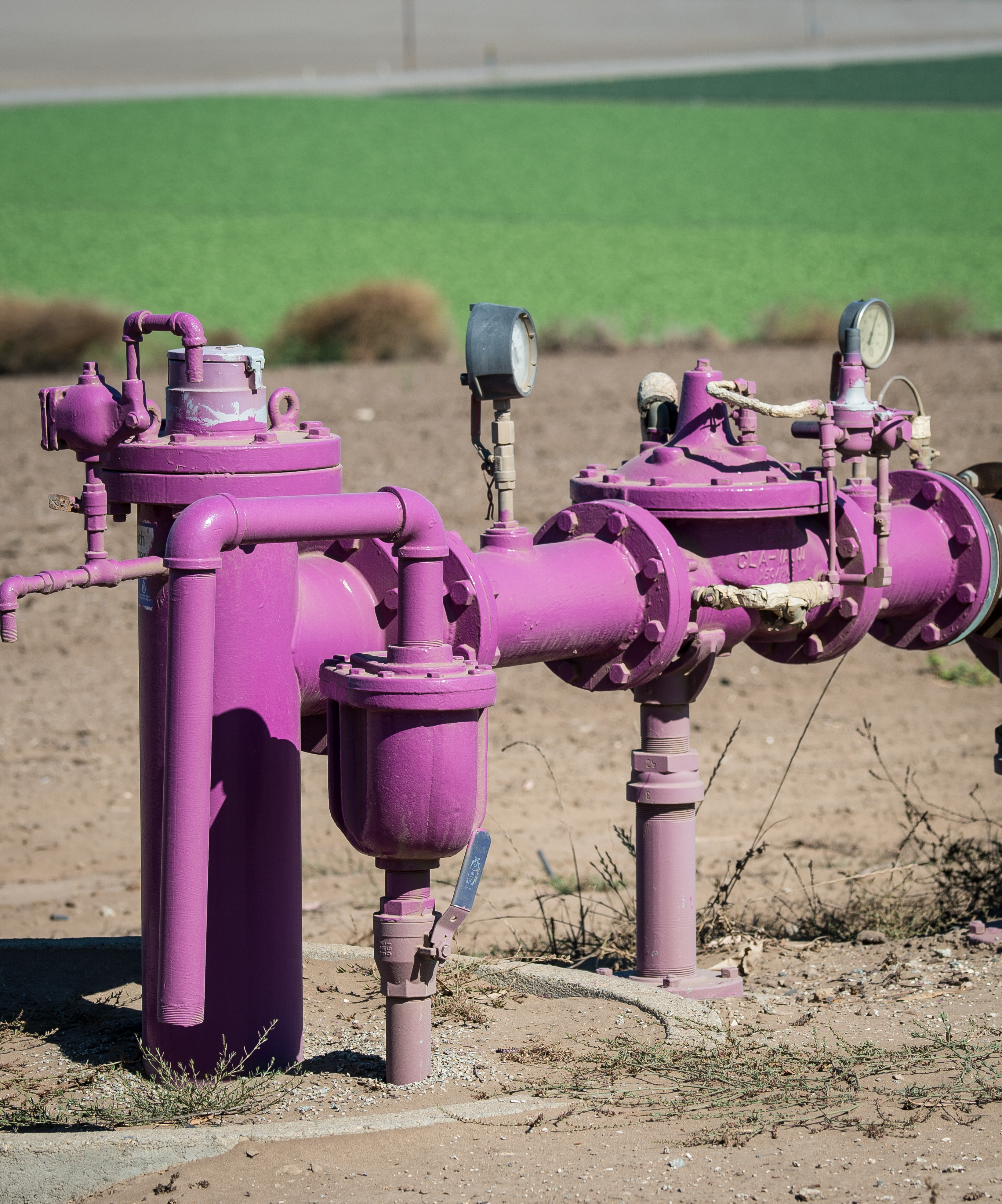
In exchange, the operator receives and manages treated effluent for land application and farming. The contract describes plant output ranging from approximately 1.2 million to 4 million gallons per day. The operator bears farming costs and keeps farming proceeds, while the city must provide water suitable for the permitted use and maintain regulatory approvals.
Treating the nominal rent alone as a giveaway would omit the wastewater-management service the city receives. Treating it as the city’s full cost would omit the explicit public obligations. The contract needs to be read as an exchange with costs on both sides.
No new amendment charge does not mean no continuing city expense
The staff report says the second amendment has no additional financial impact because it only extends the term and leaves other conditions unchanged. The original contract makes the city responsible for repair of delivery and irrigation facilities to the delivery location, including pipelines, valves and standpipes. It also provides for reimbursement when the operator restores land or repairs or replaces irrigation equipment within the agreement’s terms.
The city must pay for electrical power needed to operate the irrigation pump and transmit the effluent to the delivery location. The agreement separately allocates compliance responsibilities and certain liabilities tied to the city’s regulatory approvals and third-party contracts.
These obligations were already in the original deal. Our comparison therefore does not contradict the staff’s narrower statement that the amendment imposes no new financial terms. It identifies continuing categories of public expense that survive the extension. The reviewed packet supplies no cumulative repair reimbursement or electricity total, so no dollar estimate of those expenses is presented here.
The city’s own explanation identifies the unfinished decision
Staff says Arvin entered the arrangement after ending its agricultural lease with Apothio, LLC/Quantum Farms. It says the council’s November 17, 2025 first amendment extended the agreement through September 30, 2026. The second extension was requested because the city needed more time to evaluate and implement a long-term effluent-management solution.
The city identifies uninterrupted management, continued regulatory compliance and time for the operator to harvest existing crops as reasons for the extension. Those are stated operational benefits, not evidence the temporary arrangement failed. The extension is also not a record that a permanent alternative has been chosen.
This investigation establishes the expanded timeline and the cost duties retained in the public contract. It does not find an unlawful discharge, determine whether the rent is commercially reasonable or establish total program cost. The accountability issue is whether future comparisons of long-term alternatives account for the city’s full delivery, repair and power responsibilities, rather than the rent figure or amendment charge alone.
Sources and further reading
Arvin September 22, 2026 packet, item 3C ↗
Arvin October 13, 2026 packet: September 22 minutes ↗