Six years in the enforcement record
An oil-well test deadline in April 2020. A shutdown order in April 2026. An appeal still listed in the state’s September enforcement register. Those dates frame a troubling question about 25 Hill Properties’ Kern County operations: how does the public distinguish repeated enforcement from verified cleanup?
What’s the Scoop with B. Roach compared CalGEM orders with a separate State Water Resources Control Board database. The review found that the case reaches beyond one regulator’s file: the water database contains 17 violation records dated February 5, 2026, across the Jameson Trust, Shell and Virginia Lands leases in the Midway-Sunset Oil Field.
These are agency findings and enforcement records. They do not establish that every condition described remains present today, and an appealed order must not be presented as a completed adjudication.
A deadline measured in years
CalGEM’s April 10 shutdown and plugging order identifies B-Zone 1-A, API 0402936047, with casing-pressure and cleanout-tag tests due April 1, 2020, followed by an April 1, 2021 remediation deadline. Comparing those dates puts the order six years and nine days after the original testing deadline, and five years and nine days after the remediation deadline.
That interval does not prove regulators took no action in between. It measures how far an unresolved testing requirement had traveled through the enforcement record when CalGEM escalated to ordering the wells plugged, facilities decommissioned and sites restored.
The order identifies both 25 Hill Properties and EK Trust as responsible operators. CalGEM’s enforcement register, updated September 24, lists Order 1620 as appealed, while the earlier testing-penalty order is listed as final. An appeal’s presence alone does not explain its merits, predict the result or establish whether particular cleanup work has occurred.
A fine is not the same as money collected
The earlier order, signed October 9, 2025, assessed $105,350 for 69 testing violations.
But the document contains a qualification that matters: because the operator was in bankruptcy proceedings, the assessment established the amount owed and was not then a demand for payment. The order also offered routes to compliance, including successful testing, plugging or an approved plan to plug the affected wells.
Calling that assessment a collected fine would therefore overstate what the record proves. The enforcement register’s “final” designation should not be substituted for a payment receipt or a well-by-well completion report.
The order also acknowledges a deterrence problem: it estimates one casing-pressure test at approximately $17,000, compared with the $2,500 penalty imposed per casing-pressure violation, the maximum for violations CalGEM classified as minor—about 15% of that estimated test cost. That comparison does not make the fine the entire cost of noncompliance: testing or other approved remedial action remained required, and further enforcement was possible.
The second regulator’s file
Our count of the 17 water-board entries breaks down into six late-report records, one deficient-reporting record, eight order-condition records and two unauthorized-discharge records. The entries describe issues including incomplete fencing, inadequate pond netting, overtopped ponds and discharges.
The distinction between records and incidents is essential: some entries describe multiple observations. Nor should these 17 be added to CalGEM’s counts as if each represents a separate event. The agencies’ inspections and regulatory responsibilities can overlap.
The water-board database warns that backlogged entries may make it incomplete. It is evidence of what the system records, not a live inspection report.
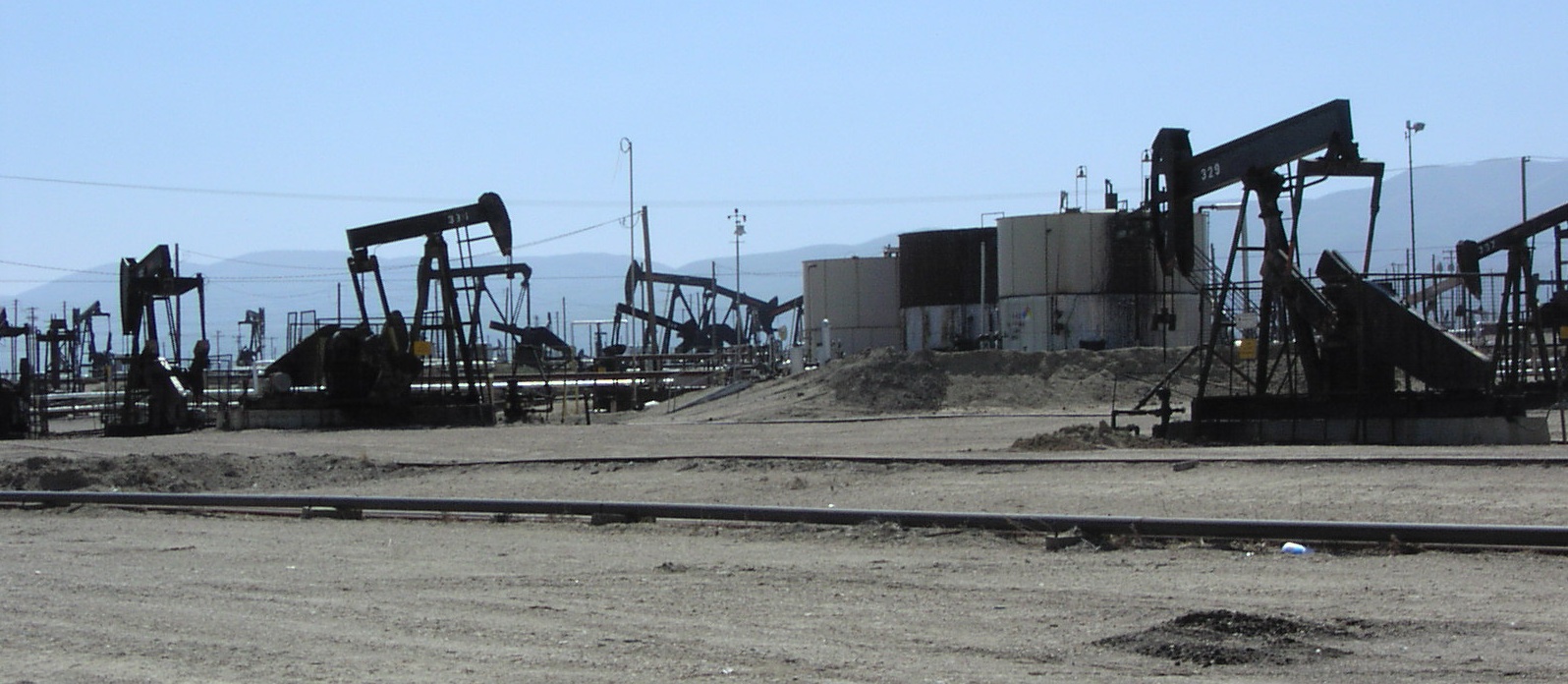
CalGEM’s amended emergency order supplies a more physical account. It says a tank removed from service March 7, 2019, was surrounded by oil-saturated ground during February 2026 inspections. Inspectors reported dead birds and rodents in pooled oil. The same document describes an overflowing wastewater tank and warns that local topography could carry an overfill toward nearby homes. Those are the agency’s documented observations and risk assessment, not measurements of contamination inside residents’ homes.
The amended order required immediate screening, drainage and removal of fluids. It also states that an administrative appeal of that emergency order would not automatically halt the work requirement, while describing a route to seek court relief.
CalGEM says its enforcement program evaluates evidence and severity, using remedies that can include orders, penalties and civil or criminal referrals. This case clearly includes intervention. The unresolved public-accountability question is the outcome: which conditions were corrected, when inspectors verified them, and how much of the assessed penalty was recovered?
Reporting note: This investigation is an original comparison of publicly available agency records, reviewed September 26. It includes no site visit or interview. The reviewed materials do not provide a verified current cleanup inventory, a decision resolving the shutdown appeal or a company response to this article. We make no finding about those missing facts.
Sources and further reading
Current enforcement register ↗