A $68 million concentration beneath the headline
Two neighborhood-stabilization accounting codes accounted for $68,025,507.34 of the $114,551,339.73 in inactive program obligations remaining for recommended deobligation in HUD’s latest financial-control audit. What’s the Scoop With Broach calculated the concentration at 59.4% after matching the October 5 inspector-general report’s program appendix with its schedule of monetary recommendations.
The finding answers a more specific question than how much old money appeared in the audit: where was the unresolved program balance concentrated after the adjustments recorded by auditors? It was not distributed evenly across housing-assistance categories. Two codes for abandoned and foreclosed housing carried more than half of that remaining program-only total. The figures are the audit’s March 31, 2026 reconciliation, not a live October 20 account balance.
| Accounting category | Remaining amount | Treatment in this analysis |
|---|---|---|
| NS3: Neighborhood Stabilization Program 3 | $17,947,380.16 | Included in concentration numerator |
| NSF: Neighborhood Stabilization Program | $50,078,127.18 | Included in concentration numerator |
| Combined NS3 and NSF | $68,025,507.34 | 59.4% of program-only denominator |
| All remaining program obligations | $114,551,339.73 | Denominator; administrative balances excluded |
A legacy housing program, not a new spending cut
Appendix C associates the two codes with 108 and 133 obligation line items, respectively. Those counts describe the accounting entries reviewed and expanded within the audit; they are not counts of abandoned homes, lost housing units or affected families. The appendix does not provide a property-by-property inventory supporting such conversions.
HUD’s own program history describes neighborhood stabilization as a response to the foreclosure crisis: grants helped acquire, rehabilitate, redevelop or demolish foreclosed properties. The department announced a third $1 billion round in September 2010. That historical purpose makes the unclosed balances important to housing oversight, but it does not establish that the $68 million can now be spent on any housing activity officials choose. Deobligation, reuse and any required rescission must follow the applicable funding authorities.
Why $149.4 million is not the remaining cash-saving figure
The audit’s approximately $149.4 million headline combines the earlier program exception balance with administrative obligations. Its program reconciliation begins with $143,571,010, then separately records agency deobligations, grantee disbursements, Treasury cancellations and miscellaneous adjustments before reaching the approximately $114.6 million remaining program balance. A payment to a grantee is not the same transaction as cancelling an obligation; the decline in the book balance cannot all be labeled savings.
The final monetary schedule adds $5,784,274.33 in administrative obligations to produce $120,335,614.06 in recommended funds to be put to better use. It separately lists $126,007.92 in unsupported drawdowns requiring documentation and a decision about eligibility. Adding that separate item to the $68 million concentration would mix unlike categories. Neither a recommendation nor an unsupported-cost classification establishes that money was stolen or has already been recovered.
An annual certification did not settle the oldest entries
HUD’s annual open-obligation review required offices to justify retaining prior-year obligations. Auditors nevertheless found 48 exceptions among 85 program selections and 12 among 15 administrative selections. These were targeted, high-dollar selections, not a random basis for asserting an agency-wide error rate. Auditors then examined additional inactive entries in the program codes with exceptions.
HUD’s offices generally agreed with the recommendations and had begun deobligating some amounts. The response also changed the audit: after the Office of Native American Programs supplied monitoring evidence and raised legal-availability concerns, auditors removed the disputed CARES Act grants from the report. The inspector general retained concerns about three other tribal-housing drawdowns. That dispute concerns a different part of the audit and does not turn the two neighborhood-stabilization codes into adjudicated improper payments.
What this examination establishes
The newsroom read the full report, reconciled Appendix C’s two remaining-balance entries against Appendix A’s program-only total, checked the arithmetic and reviewed the management response. The original contribution is a concentration and category analysis: $68.0 million, or 59.4%, sat in two named legacy program codes within the remaining program recommendation. The audit does not supply a current ledger update or proof of a completed $120.3 million saving. Evaluating the eventual result requires the subsequent account resolutions, not a repeated use of the original headline total.
Sources and further reading
HUD OIG official publication record, October 5, 2026 ↗
HUD archived NSP3 announcement, September 8, 2010; historical program purpose ↗
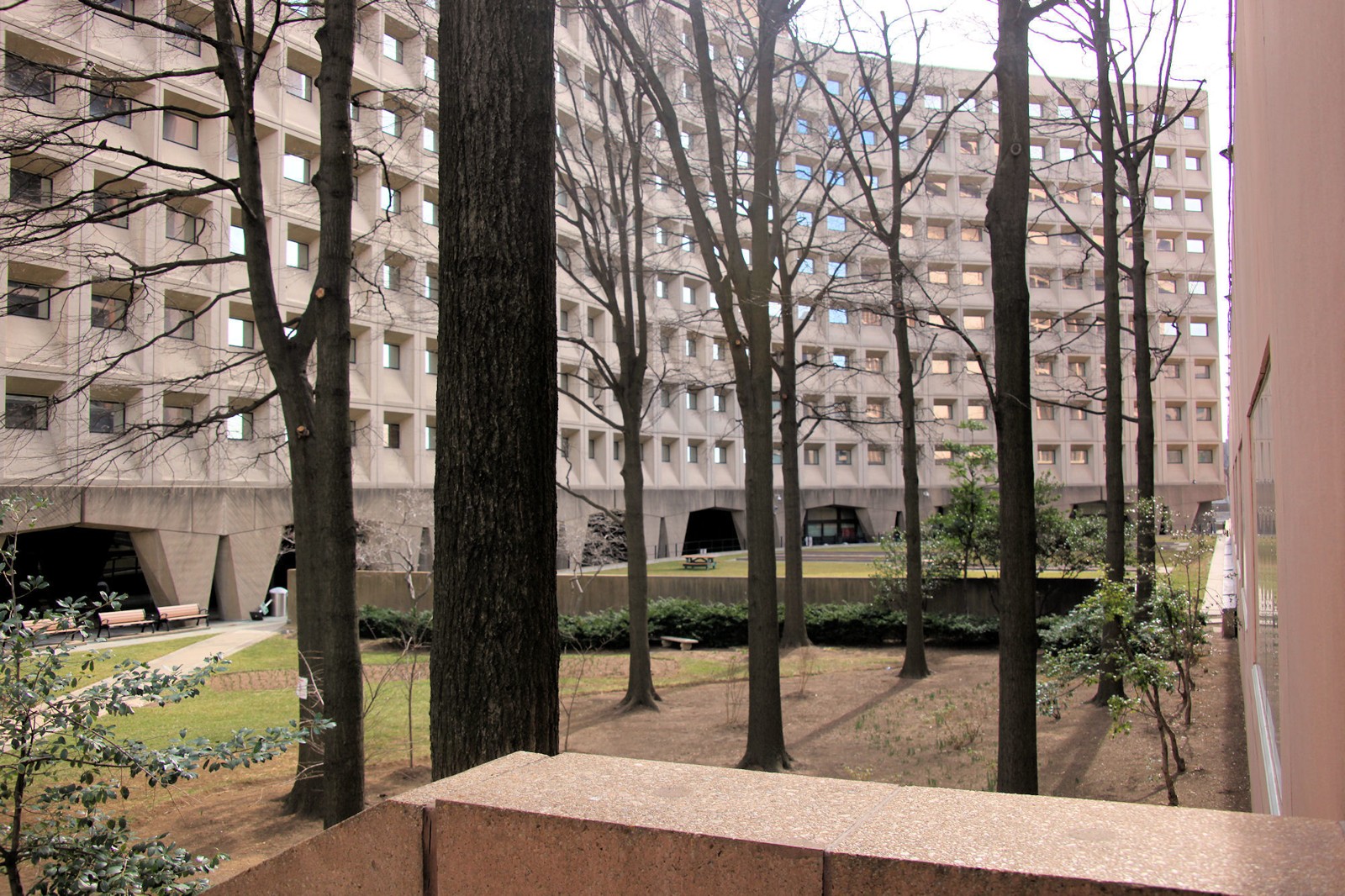
Photograph source and reuse: Tim1965 / Wikimedia Commons · CC BY-SA 3.0 ↗