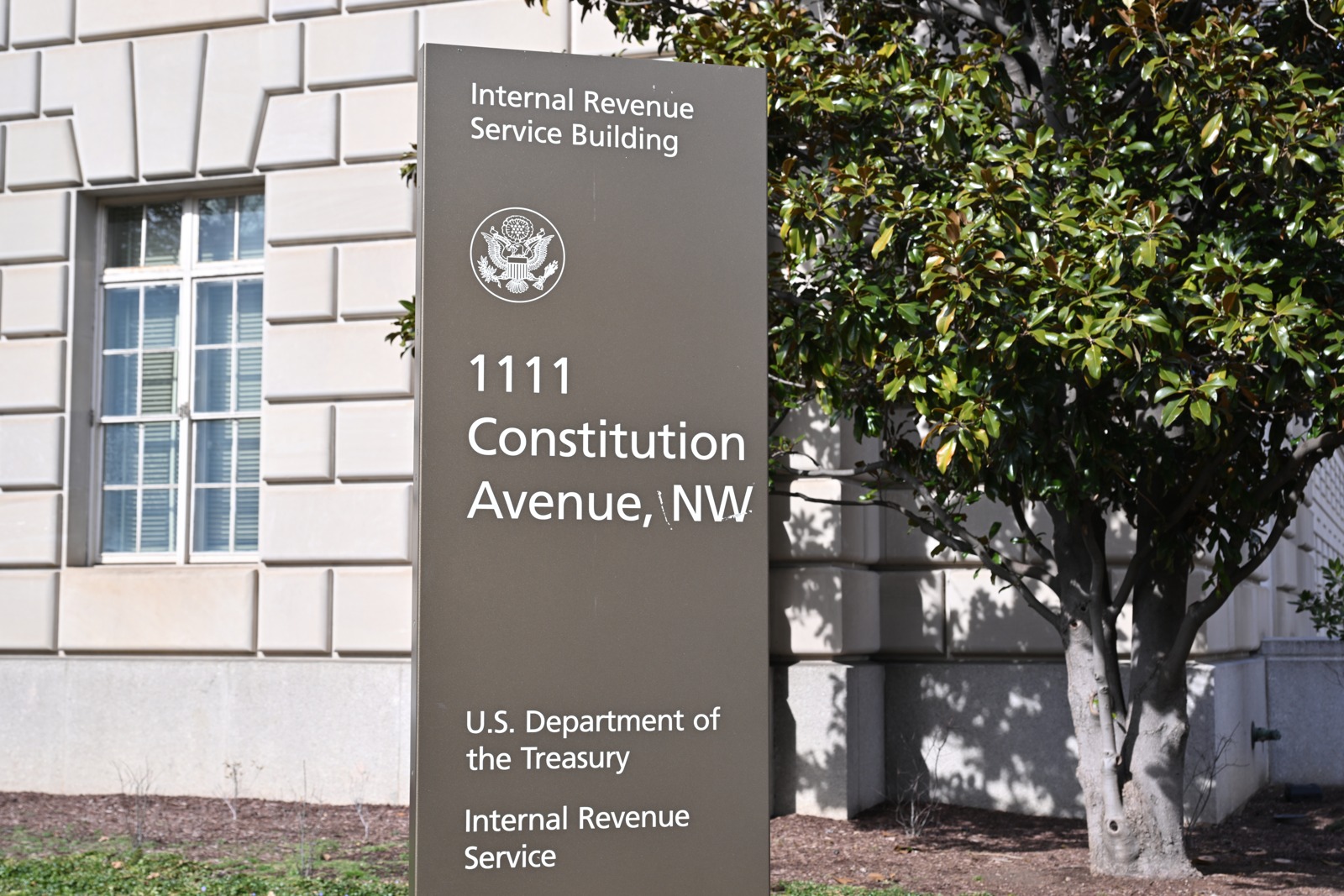
A smaller inventory with a larger assessed balance
The IRS ended fiscal 2025 with 1.79 million fewer delinquent tax accounts than a year earlier. But the assessed balance on the remaining accounts increased by $3.12 billion. Fiscal 2025 ran from October 1, 2024, through September 30, 2025; these are historical annual results, not a reading of today’s collections. Comparing the agency’s collection tables across two annual data books shows that the smaller inventory carried more debt, not less: $211.53 billion across 13.11 million accounts, compared with $208.41 billion across 14.90 million.
That divergence changes the meaning of a seemingly straightforward performance indicator. The account inventory fell 12.0 percent while its assessed balance rose 1.5 percent. Dividing the balance by the reported number of accounts gives an average of approximately $16,132 at the end of 2025, up from $13,986 in 2024 — an increase of 15.3 percent. These are tax accounts, not individual taxpayers, and the average does not show what any particular person owes. The balance includes assessed penalties and interest, but excludes penalties and interest that accrued after assessment.
The agency closed 9.69 million accounts in 2025, 58.7 percent more than the 6.11 million closed in 2024. New accounts also declined. Those two movements explain the shrinking inventory arithmetically, but the summary table does not break closures into payment, adjustment or other reasons. It would therefore be inaccurate to describe all the closures as debts collected. The table’s separate net-collection measure fell from $77.55 billion to $73.14 billion, or 5.7 percent. That measure subtracts specified credit transfers to avoid overstating collections; it is not a simple subtraction from the year-end inventory balance.
A different collection measure moved in the opposite direction. Open investigations involving taxpayers who had not responded to notices about an unfiled return increased from 2.05 million to 3.23 million, a 57.7 percent rise. New investigations more than tripled. Those investigations are a separate category from delinquent assessed accounts, so adding the two would produce a misleading single backlog. Read separately, they show that the agency reduced one inventory while another expanded.
Fewer settlements, with two different denominators
The same records show fewer completed settlements through offers in compromise, which can resolve qualifying tax liabilities for less than the full amount owed. The annual count of accepted offers fell from 12,711 in 2023 to 7,199 in 2024 and 5,464 in 2025 — a 57.0 percent decline over two years. Offers received moved the other way, rising from 30,163 to 38,797, an increase of 28.6 percent. The data books do not identify whether changes in applicant finances, processing, policy or other factors explain that divergence.
There is a denominator trap in those figures. Dividing 2025 acceptances by offers received that year produces 14.1 percent, but it is not a cohort approval rate: cases can cross fiscal-year boundaries. The National Taxpayer Advocate separately reports an acceptance measure of 15.6 percent for 2025, down from 28.5 percent in 2023. Its footnote explains that the denominator is all dispositions, including offers deemed unprocessable. Reporting the two measures as interchangeable would obscure rather than clarify what happened.
The taxpayer advocate urges the IRS to encourage appropriate compromises as a route to a fresh start and future compliance. The agency’s published eligibility explanation supplies an important counterweight: it considers ability to pay, income, expenses and asset equity, and generally looks for the most it can reasonably collect. An offer is not automatically appropriate merely because a debt remains unpaid. Taxpayers normally must be current on required filings and payments, and an open bankruptcy makes them ineligible.
What the comparison establishes
Taken together, the records support a narrower conclusion than either success or failure based on a single number. The IRS reduced its assessed-account inventory, but the remaining assessed balance grew, net collections declined, unfiled-return investigations increased and accepted compromises became less numerous. Determining why would require case-level or operational evidence beyond these annual tables. No new agency response was requested for this analysis.
Sources and further reading
Photographer G. Edward Johnson — attribution requested by image author ↗