A recall announcement is only the first step
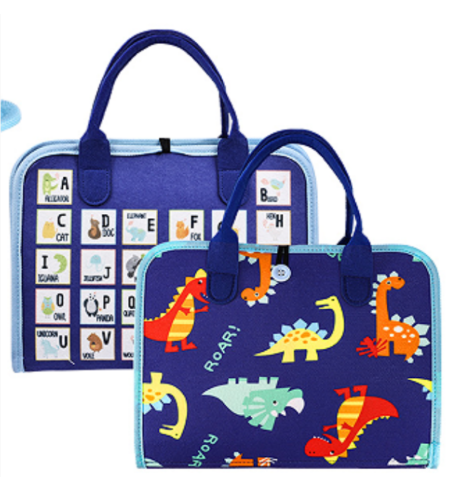
To repair a recalled toddler toy, parents must unzip a page, mark it as recalled, throw it away and email a photograph before receiving a replacement page. That is the remedy accompanying the September 17 recall of roughly 276,000 Esjay busy boards, whose detachable red knobs can choke young children.
The instructions reveal an easily overlooked stage of consumer protection: announcing a recall does not itself remove a dangerous product from a home. Someone still has to see the warning, identify the item and carry out the remedy.
A review of three federal recall notices found approximately 532,500 affected product units across toys and furniture restraints sold through Amazon. Each notice provides a remedy. None of the three pages, as reviewed September 19, states how many units have actually been repaired, replaced or refunded. The calculation combines the published counts below; it does not measure unique households or products still in use.
Three recalls, three remedies
| Recall | Units covered | Remedy described |
|---|---|---|
| Esjay busy boards, September 17 | About 276,000 | Remove and discard affected page; email photograph for replacement page |
| 4our Kiddies furniture restraints, March 26 | About 253,500 | Request and install replacement restraint |
| KMUYSL farm playsets, April 23 | 3,000 | Remove and discard fence handles; submit photograph for refund |
CPSC tells owners to stop using the recalled toys immediately and keep them away from children. The linked notices provide the complete remedy instructions.
These are selected examples, not a representative marketplace survey. They establish neither Amazon's relative safety performance nor continued sales after recall. The newest recall is only two days old; the absence of a completion figure does not establish that any company has failed to provide its remedy.
Safety equipment and toys in the same tally
The earlier notices illustrate why follow-through matters. The furniture restraints were themselves safety equipment. CPSC reported at least 150 incidents of the plastic kits breaking, including three tip-overs. Its instructions tell families to keep children away from the furniture while awaiting stainless-steel replacements and to discard the old restraints after installing the replacements. Sales ran from June 2019 through January 2026.
For the KMUYSL playsets, CPSC identified detachable fence handles and a violation of the small-parts ban. No incidents or injuries were reported. The notice directs families to the seller, MISSJUNE, for a refund after disposal and photographic confirmation. Those toys had been sold from July 2023 through June 2025.
These procedures create several steps between the warning and the remedy. Photographs can document removal of a hazardous component, but these notices do not establish how many customers completed the process—or whether the required steps discouraged participation. That remains an unanswered question, not a demonstrated outcome.
How Amazon says it reaches customers
Amazon describes a system intended to reach buyers directly. Its published recall policy says it removes recalled products, prevents additional sales and notifies customers. A separate company explanation describes personalized emails and account alerts, plus an optional service under which Amazon can handle refunds and returns for participating sellers. These are the company's published descriptions; this review did not independently test their performance in the three recalls.
What federal oversight measures
Federal oversight also extends beyond issuing notices. A 2020 Government Accountability Office review examined how CPSC monitored recalls and measured their effectiveness. GAO warned that the “correction rate”—the share refunded, replaced or repaired—can miss consumers who simply discard inexpensive products. A low recorded remedy rate therefore does not necessarily mean every uncounted item remains dangerous in someone's home.
CPSC changed its procedures after that review. GAO now marks all five recommendations implemented, including tracking companies' progress reports and exploring additional measures such as recall-webpage visits. Those improvements matter. They also show why one figure cannot answer every safety question: visiting a webpage, receiving a refund and physically removing a hazard are different events.
The public notices answer what went wrong and what owners should do. The next accountability question is how many owners were reached, how many remedies were completed and what remains unresolved. Publishing those outcomes alongside recall announcements would let families evaluate the response after the warning disappears from the headlines.
Reporting method
Original comparison of three CPSC notices, GAO oversight findings and Amazon's published policies. No product testing, customer interviews or new company responses were obtained.