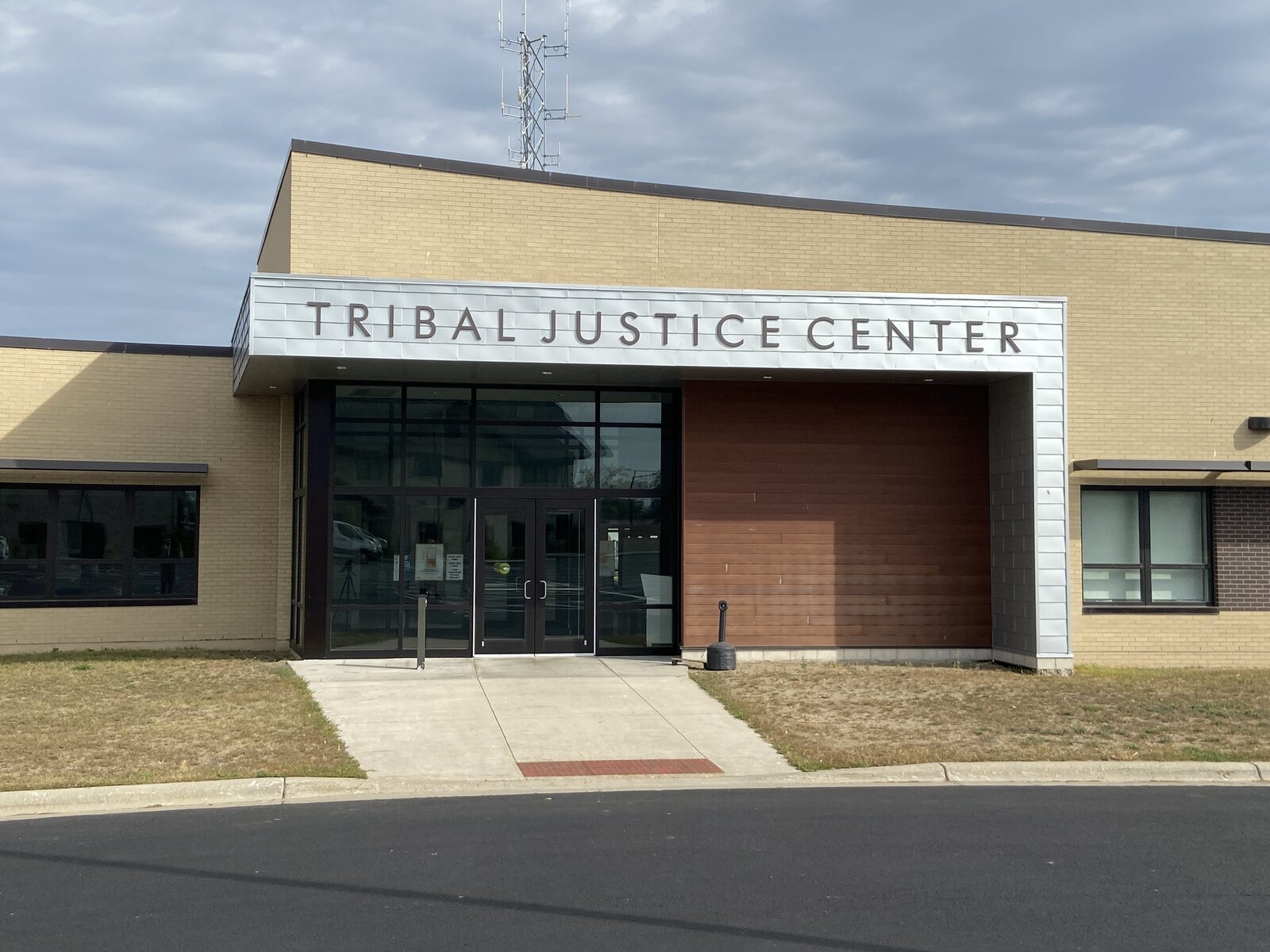
A governance rule affecting most federally recognized Tribes
GAO reports that about 65% of the 575 federally recognized Tribes are located in states where Public Law 83-280 transferred some federal criminal jurisdiction in Indian country to states. The law's reach is therefore not a narrow historical footnote.
Under the current process, a Tribe cannot initiate retrocession—the return of state jurisdiction to the federal government. A state can initiate it, and tribal consent is not required. GAO recommended that Congress let Tribes initiate requests and require tribal consent before a state-initiated transfer.
A funding disparity in the reviewed period
For fiscal years 2017 through 2021, GAO found that Tribes in Public Law 280 states received less Bureau of Indian Affairs public-safety and justice funding per capita than Tribes elsewhere. That comparison is material because jurisdictional transfers can change which government is expected to provide enforcement and court services.
The finding does not establish that every affected Tribe was underfunded or that per-capita dollars alone measure service quality. Geography, crime patterns, program eligibility and state resources also matter. It does establish a systematic difference that Congress and agencies should explain.
Consent is the central accountability question
The federal record separates two issues often collapsed in debate: who can request a jurisdictional change and who must agree. GAO's congressional recommendations address both by giving Tribes an initiating role and a consent right.
The Scoop reviewed the statutory structure, the population share and the funding comparison. This report does not take a position on the best jurisdiction for any particular Tribe; it identifies that the existing federal process leaves the directly governed Tribe without either initiation authority or a required veto.