The workforce count and the measured outcome tell different stories
The National Weather Service ended fiscal 2025 with a vacancy rate above 16%, yet a November 4 Commerce inspector general evaluation found no measurable overall degradation in its response to high-impact weather events. Forecast and warning performance was comparable to or better than the preceding four years.
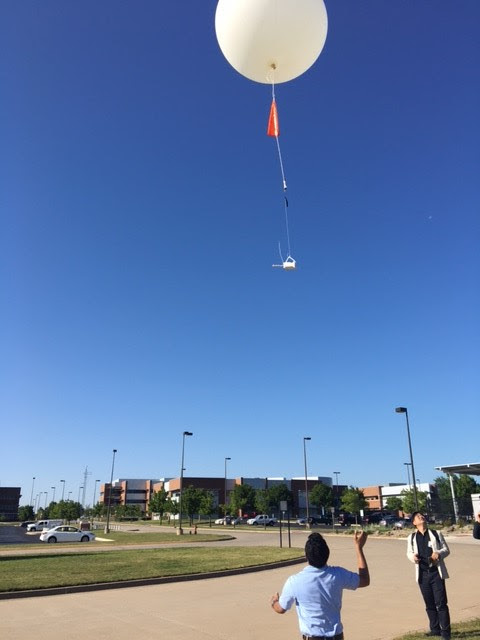
The evaluation records 541 employee departures by April 2025, including 263 in roles directly supporting forecasts. It credits operational adjustments with helping offices sustain service: sharing workloads, changing shifts, reducing noncritical outreach and adjusting or reducing weather-balloon launches.
These findings support two conclusions together: significant staffing losses occurred, and the reviewed annual response measures did not show the predicted decline. The evaluation addresses FY2025 performance, not a guarantee about later seasons or every local service.
Recruitment documents describe the demands behind continuity
NWS's subsequent entry-level meteorologist recruitment page describes rotating shifts in a round-the-clock operation. It explicitly warns that dangerous or rapidly changing weather increases workload, requires sustained alertness and can extend shifts, with mental and physical strain.
That campaign listed a September 30, 2026 closing date. It is evidence of recruitment and the agency's description of the job, not proof that every advertised position was filled or that those vacancies remain open today.
A resilience assessment needs both output and workload
Maintaining warnings during a staffing shock is an operational achievement. It does not automatically establish that the same arrangement is sustainable indefinitely. Conversely, a falling headcount alone cannot establish that a specific warning failed.
A useful follow-up would report performance alongside overtime, training capacity, observation coverage and turnover. That would help distinguish durable efficiency from service maintained through exceptional workload. This analysis compares the evaluation's measured results with the agency's published employment demands; it does not infer that staffing caused any particular disaster outcome.
Sources and further reading
Commerce inspector general evaluation of NWS staffing and weather response ↗