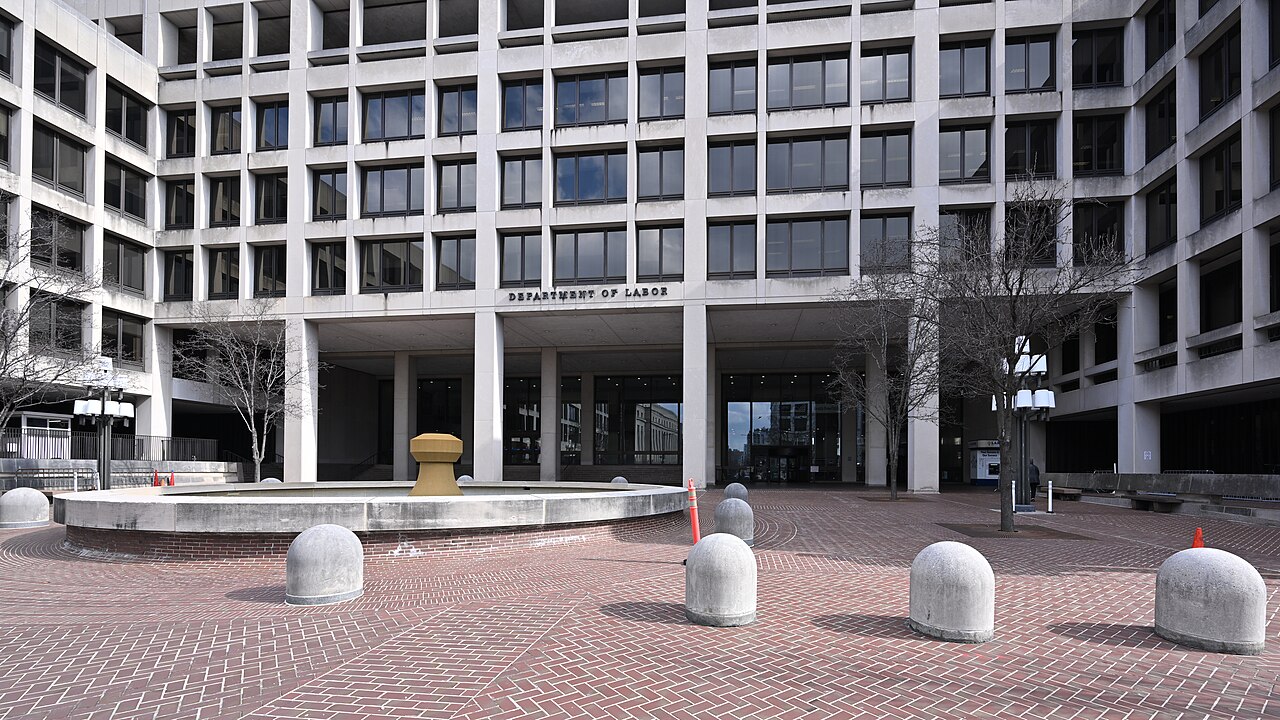
The audit population changed after fieldwork
Labor's November 4 inspector-general report reviewed 37 employers in trafficking-referral records from October 2019 through May 2025. The Wage and Hour Division later clarified that eight involved potential child labor trafficking; its original instructions for identifying child-related employers were incorrect.
Auditors found referrals to Justice's Human Rights and Special Prosecutions section for 22 employers. That count does not establish 15 ignored child cases. WHD said insufficient information could prevent referrals; OIG could not verify that explanation from the records.
Missing dates prevented a timeliness test
WHD did not track when district directors learned of suspected trafficking, preventing verification of its three-business-day referral rule and the 24-hour HHS notification requirement for possible child victims. WHD agreed to six recommendations. Agreement does not establish completed repairs.
The federal referral regulation places responsibility on officials who encounter possible victims to bring them to the attention of the federal officials responsible for trafficking enforcement. It also requires agency attention to training about identification, rights and services. A referral ledger therefore needs more than an employer name.
The next record should preserve the handoff
A useful internal record would identify whether minors may be involved, when the concern reached the responsible official, which agencies received it, delivery dates and any documented reason for withholding referral. Tracking those fields would allow separate tests of classification, completeness and speed.
Public reporting can aggregate those measures without naming potential victims. It should show child-related referrals separately, rather than asking readers to infer children's outcomes from an employer total.
Sources and further reading
DOL OIG report 09-27-001-15-001, November 4, 2026 ↗
Federal trafficking referral regulation ↗