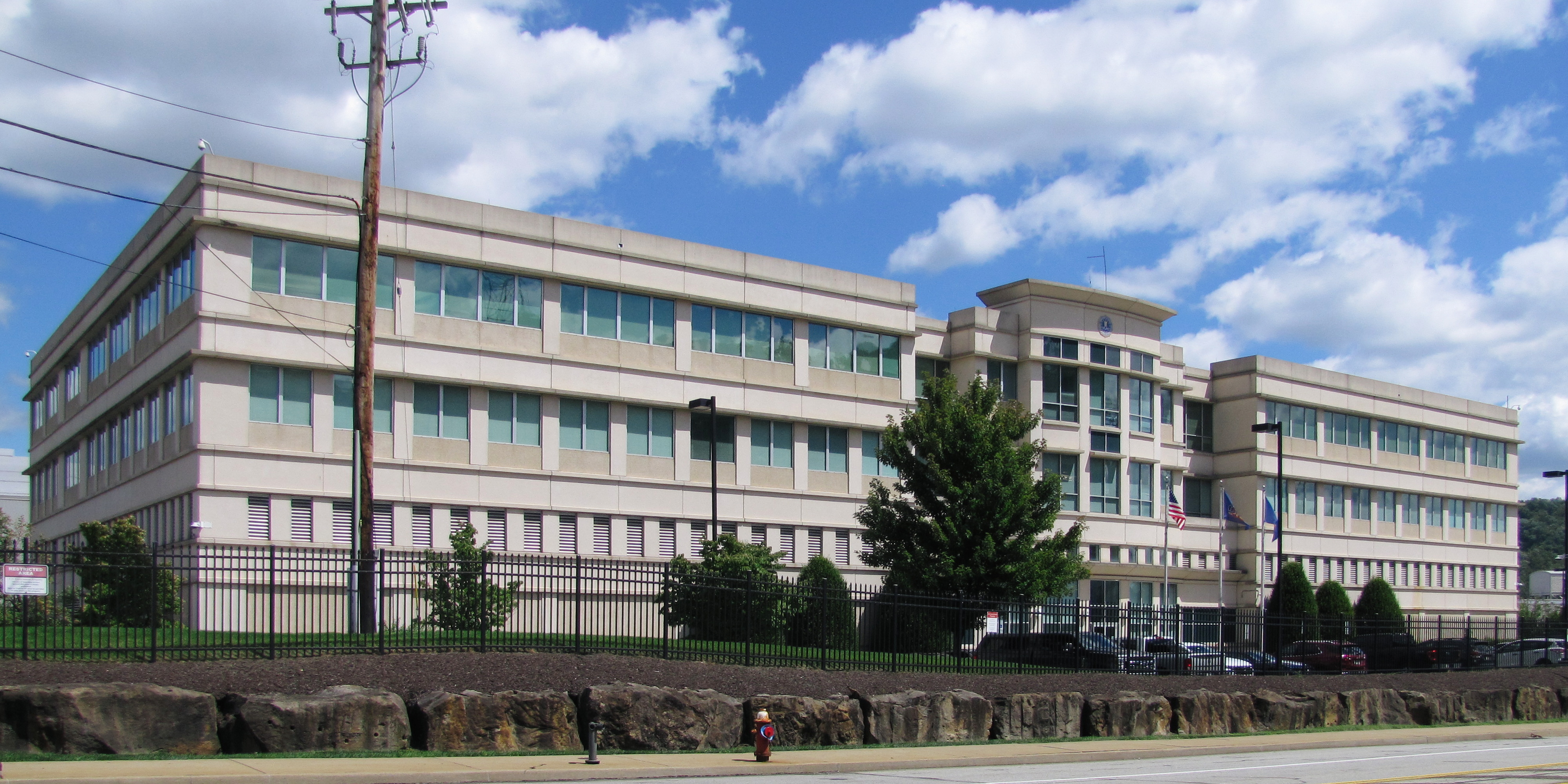
Four structures do not add up to an academic-partnership plan
The FBI identified four offices or task-force structures involved in countering people it calls non-traditional intelligence collectors: the Office of Private Sector, the Counterintelligence and Espionage Division, the National Counterintelligence Task Force and field-office Counterintelligence Task Forces. But a What’s the Scoop With Broach comparison of their stated roles with GAO’s October review found no bureau plan for strengthening partnerships with academic institutions.
That is an accountability gap because FBI officials told GAO that relationships with universities help institutions seek assistance and supply tips about potential threats. Academic-association representatives said those relationships are stronger at some universities than others. The public review supplies neither a target, timetable nor measure for making that uneven system more consistent.
| Structure | Role described in the record |
|---|---|
| Office of Private Sector | Leads private-sector information sharing and engagement |
| Counterintelligence and Espionage Division | Mitigates and investigates counterintelligence threats |
| National Counterintelligence Task Force | Coordinates with partner agencies |
| Field Counterintelligence Task Forces | Coordinate locally with partners |
| Academic-partnership plan | Not identified by the FBI |
The threat definition contains an important legal boundary
The FBI defines non-traditional intelligence collectors as people whose primary profession is not intelligence collection but who actively or passively gather sensitive U.S. information for foreign entities. Students and researchers may fit that definition only when the described conduct and foreign-entity relationship exist; their academic role or nationality alone is not evidence that they do.
FBI officials also told GAO that identification can be difficult because activity may not violate the law until information is transferred to a foreign entity. That distinction matters for universities built around lawful international collaboration and open exchange. A partnership plan would have to support legitimate tip-sharing without converting ordinary research ties into presumptive wrongdoing.
What the record establishes—and what it does not
This reporting performed a role-and-gap reconciliation of the 12-page GAO review: four named coordination structures, repeated reliance on academic relationships, one open recommendation and no identified strengthening plan. The FBI concurred with GAO’s recommendation to develop and implement one.
The report does not quantify tips, investigations, proven transfers, affected universities or harm. It also does not show that the FBI performs no outreach; it shows that existing relationships vary and that the bureau did not identify a plan to strengthen them. Those limits prevent this analysis from estimating prevalence or labeling any student, researcher or institution a security threat.
Sources and further reading
GAO-27-109057 product page and open recommendation, October 15, 2026 ↗
Pittsburgh FBI field-office photograph source and CC0 terms ↗