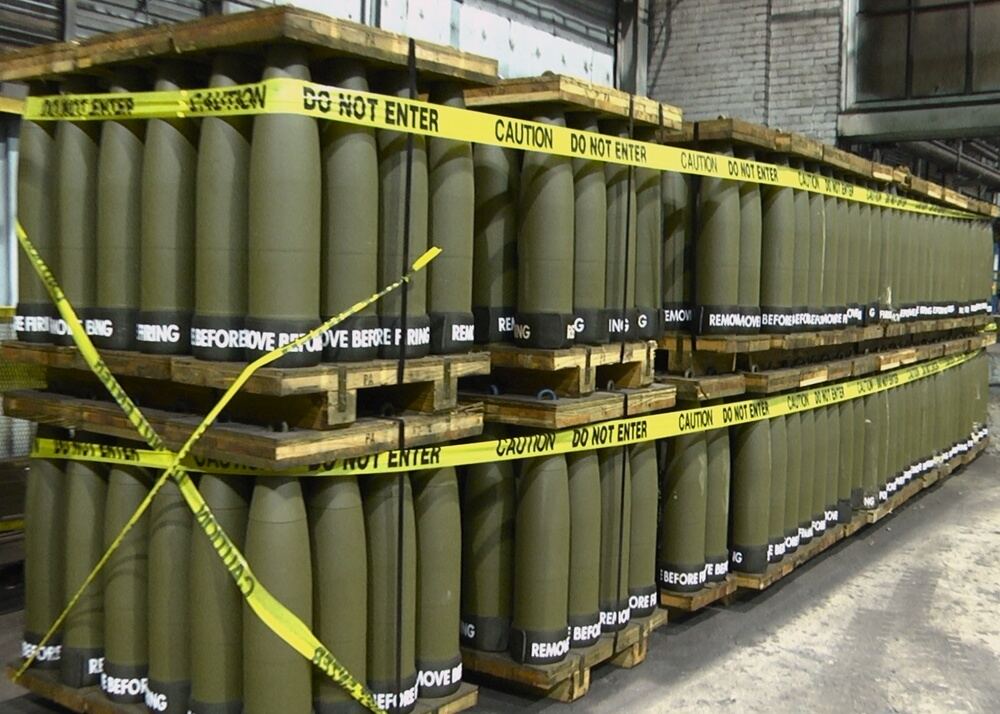
Four missing controls around a persistent shortage problem
GAO reported persistent shortages in selected critical munitions while the Department of Defense lacked an overarching plan linking production and funding to validated requirements. The department also had not designated a lead office for enterprise coordination.
GAO separately found no regular process to reconcile inventory data, no data-management plan and no common data dictionary. Taken together, those gaps affect who is accountable, what number is authoritative and how resources connect to the shortfall.
The public report cannot quantify the classified shortage
The November publication is the public version of a classified September 24 report. GAO omitted classified trends, inventories and specific shortfalls. That limitation matters: the public can evaluate management controls but cannot reconstruct which munition is short or by how much.
A production expansion can take years because it depends on specialized tooling, suppliers, energetics and testing. That context explains why planning matters; it does not excuse the absence of a department-wide plan or authoritative data.
Four recommendations, with implementation evidence still due
GAO issued four recommendations and said DOD generally concurred. Agreement is not completion. The relevant evidence will be a named lead, an approved enterprise plan, recurring reconciliations and governed data definitions used across the services.
The Scoop grouped the findings into governance, planning and data-control layers. This analysis does not disclose classified figures, rank specific weapons or claim that every shortage has the same operational consequence.
Sources and further reading
GAO critical-munitions report ↗
Scranton ammunition-plant photograph and public-domain record ↗