The United States government is supposed to protect the American people. Families should never have to wonder whether a federal operation will expose their children, their homes, or the farms that produce their food to toxic lead.
The crisis and the government’s responsibility
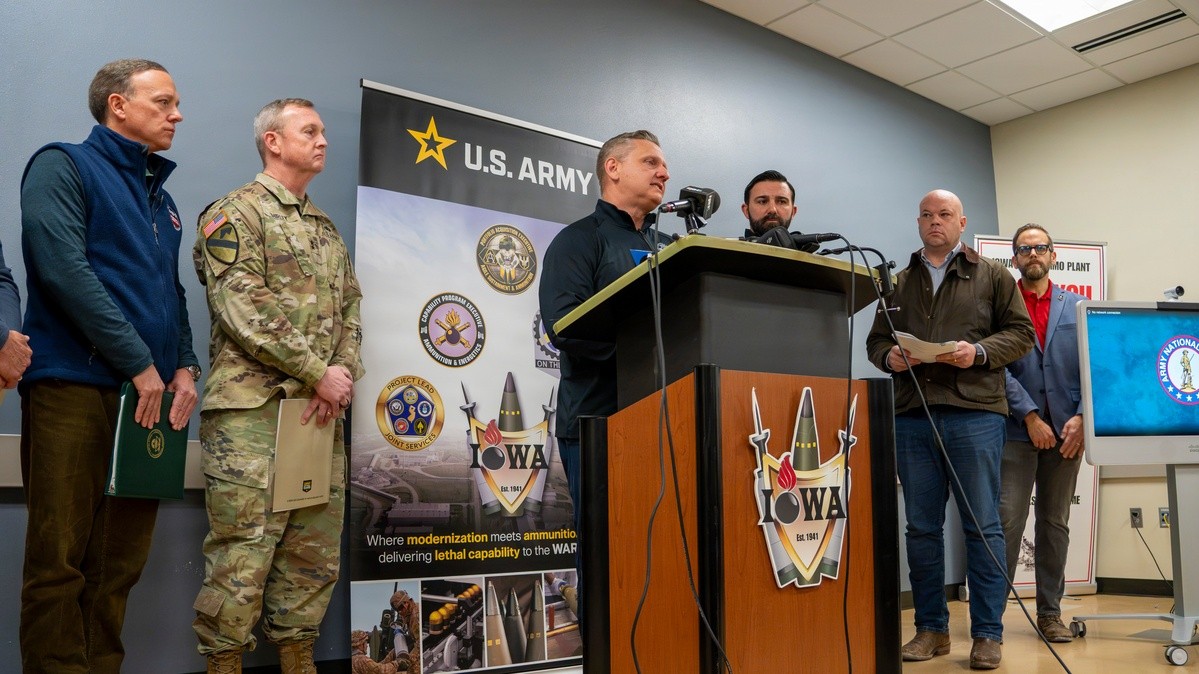
Yet residents near the Iowa Army Ammunition Plant in Middletown are confronting that possibility. The Army plans to detonate approximately 68 drums containing more than 9,700 pounds of degraded lead azide on Wednesday, November 25, at approximately 9 a.m. Central time. Officials say the explosive material has become dangerously unstable and that a controlled detonation is the safest available way to prevent an uncontrolled explosion. [1]
That explanation deserves scrutiny. So does the larger question: How did a federal stockpile reach the point where nearby families are being asked to leave their homes?
In my view, a government-created crisis that subjects civilians to the threat of toxic exposure and displacement could be considered an act of domestic terrorism against the American people. That phrase expresses a moral and political condemnation of the fear being imposed on communities. The government owes those communities answers, protection, and accountability.
The danger residents are being told to prepare for is real. The Army acknowledges that lead-containing dust could travel through the air and settle on surfaces. Its advisory recommends relocation for Middletown and surrounding affected areas, describing a five-mile evacuation cone extending southwest of the plant. Weather conditions can change the projected exposure area. [2]
How are families supposed to leave?
For families trying to make sense of that warning, the immediate question is painfully practical: How are we supposed to leave?
For a household already stretching every dollar across rent, groceries, utilities, and prescriptions, evacuation can mean missed shifts, disrupted childcare, transportation problems, and uncertainty about when it will be safe to return. A parent cannot simply stop being responsible for an elderly relative. A farmer cannot pack an entire livelihood into the back seat.
Federal officials say FEMA is providing transportation, food, water, and temporary hotel accommodations through November 27, with residents encouraged to request flexibility if they need longer support. That assistance matters, and affected residents deserve to know it exists. [2]
But announcing assistance is only the beginning. Can everyone who needs transportation actually obtain it? Can accommodations meet disability and caregiving needs? What happens to the worker who loses wages while following an evacuation recommendation?
Those questions should be answered before families are forced to make decisions under pressure. Nobody should have to choose between protecting their children and keeping enough money to pay the rent.
The health risks and the food question
The potential health consequences also demand more than reassurance. Lead exposure can damage a child’s developing brain and nervous system and contribute to learning, behavior, hearing, and developmental problems. Children may have no obvious immediate symptoms. These are established risks of lead exposure; the actual health impact of this operation will depend on whether exposure occurs and at what level. [3]
Iowa Poison Control emphasizes that brief exposure is rarely a medical emergency and that environmental sampling will help determine the need for follow-up. That makes thorough monitoring essential. Families deserve clear results and access to appropriate testing when indicated. [4]
Then there is the food question.
Iowa agriculture officials are advising nearby producers to protect livestock, feed, hay, and water from possible contamination. They recommend soil and forage sampling before and after the detonation and consultation with veterinarians about livestock testing. Their guidance acknowledges that moving every herd indoors may not be feasible. [5]
Those precautions underscore the stakes for farms and food production. The detonation has not yet occurred, so contamination of the food supply from this event has not been established. What happens next must be measured through transparent testing of potentially affected land, water, feed, and animals.
Farmers deserve prompt answers about any restrictions, cleanup, or losses. Consumers deserve reliable information about food safety. Neither should be expected to accept vague assurances while waiting to learn whether their livelihoods or health have been affected.
The accountability Americans deserve
The Army says it evaluated alternatives and is using barriers, water, foam, and other measures to reduce the release of particles. Those precautions are necessary. They also leave a fundamental accountability question: What decisions brought this stockpile to its present condition, and what will prevent another community from facing the same crisis? [1]
The federal government should cover necessary evacuation and cleanup costs, provide appropriate health monitoring, publish understandable sampling results, and establish a fair process for affected workers and farmers to seek compensation.
Americans should not have to finance their own escape from a federal hazard. Their safety should never depend on their bank balance.
Residents seeking evacuation assistance can call FEMA at 800-621-3362 or visit DisasterAssistance.gov. Follow current official updates because timing and affected-area maps may change. [2]
Sources and further reading
1. U.S. Army: Controlled detonation announcement, November 24, 2026 ↗
2. U.S. Army: Public safety advisory and evacuation assistance ↗
3. CDC: Lead exposure symptoms and complications ↗
4. Iowa Poison Control Center: Guidance ahead of the planned detonation ↗
5. Iowa Department of Agriculture: Guidance for nearby livestock producers ↗