The cancellations happened August 31
WASHINGTON — The Centers for Medicare & Medicaid Services said Tuesday that it canceled approximately 315,000 Affordable Care Act Marketplace enrollments covering more than 760,000 people on August 31 after agency and insurer investigations confirmed the enrollments were unauthorized.
The two numbers describe different things. CMS counted enrollments at the household or policy level and people covered by them. The announcement does not say 760,000 separate policies were canceled, and it does not say every covered person personally submitted an improper application.
CMS says the action is expected to return approximately $2.2 billion in advance premium-tax-credit payments associated with the canceled enrollments. That is the agency's expected recovery, not an audited total already collected and deposited.
Unauthorized coverage is not the same as beneficiary fraud
CMS attributes the cancellations to unauthorized enrollment activity. The agency says brokers have allegedly enrolled people without genuine consent, switched plans without permission, used inaccurate information or created questionable applications to obtain commissions.
Those allegations describe conduct CMS is investigating among agents and brokers. They do not establish that each of the more than 760,000 affected people knew about, directed or benefited from misconduct. Some may have been enrolled without their knowledge, according to CMS and Reuters.
The federal announcement does not provide a state-by-state total, identify the consumers or insurers involved, or publish case-level evidence. It also does not state how many affected people had used the coverage, incurred medical bills or obtained replacement insurance after cancellation.
The 569 broker notices are not 569 completed terminations
CMS says it issued 569 notices of intent to terminate Exchange Agreements to agents and brokers that submitted 2026 applications without identifying applicant information such as Social Security numbers. A notice of intent begins an enforcement process; it is not itself a final termination.
When the agency published its fact sheet, the response period had closed for the first 100 notices and 66 of those brokers had received termination notices. The response period for the remaining 469 was still pending, and CMS said additional terminations could follow.
Separately, CMS says it has sent termination notices to more than 200 noncompliant agents and brokers since January. The agency did not say all of those earlier actions arose from the same 569-notice group, so the figures should not be added as if they were nonoverlapping populations.
A temporary freeze changes who can register for 2027
CMS also announced a temporary moratorium on 2027 registration for agents and brokers who do not already have an active Exchange Agreement for 2026. Reuters reports that the restriction is expected to last until February 1, 2027.
The freeze does not bar every current broker from helping consumers. It targets new 2027 registrations by people without an active 2026 agreement. CMS says newly registered 2026 brokers generated a disproportionate share of unresolved income, identity, citizenship and dual-enrollment problems.
The National Association of Benefits and Insurance Professionals told Reuters that a blanket moratorium would also punish legitimate professionals and urged targeted enforcement instead. That is the trade group's criticism, not a finding that CMS's cited risk data are false.
What consumers should check
The announcement concerns the federally facilitated Marketplace and state exchanges that use the federal platform. CMS did not publish a list of affected states or identify any Bakersfield or Kern County enrollee in the reviewed material. California residents use Covered California and should not assume this national count proves their own policy was canceled.
Anyone who receives a cancellation notice should verify it through the Marketplace account and phone number they already use, their insurer and their state insurance regulator. Consumers should not provide identity documents, banking information or payment to an unsolicited caller claiming a fee is required to restore coverage.
A person who discovers a plan change they did not authorize should document the notice, contact the official Marketplace or state exchange and the insurer, and ask how to dispute the change. The federal announcement does not create a new fee-based reinstatement program.
The broader fraud estimate remains an agency estimate
A June HHS analysis estimated that nearly half of new Marketplace enrollment growth from 2021 through 2024 may have been improper, phantom or fraudulent. Its methodology inferred suspicious enrollment from claims and eligibility patterns; it did not adjudicate each person as a fraud case.
CMS says unauthorized enrollments could produce up to $6.6 billion in improper federal spending for the 2026 plan year. That is a risk estimate, not a final loss figure. The confirmed action announced Tuesday is narrower: roughly 315,000 enrollments covering more than 760,000 people were canceled August 31 after CMS says reviews confirmed they were unauthorized.
About the image
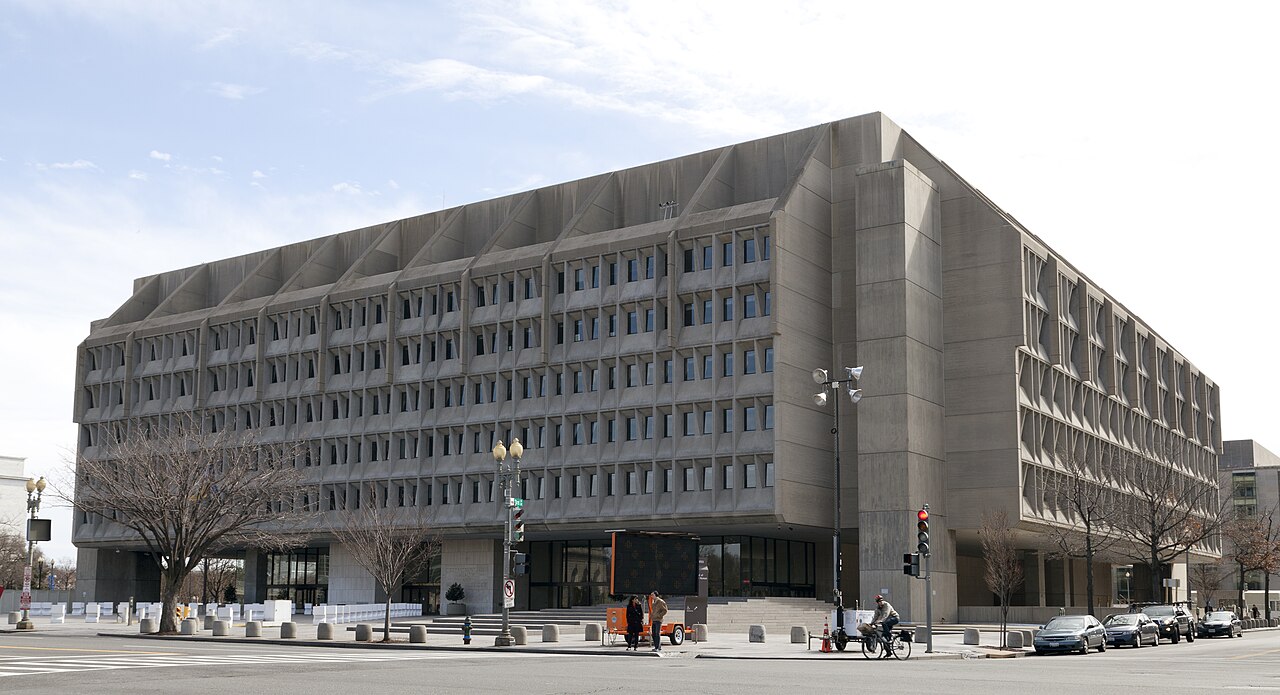
The accompanying image is an authentic 2012 photograph of the Hubert H. Humphrey Building in Washington, headquarters of the Department of Health and Human Services, which oversees CMS. Photographer Carol M. Highsmith placed the image in her Library of Congress collection; Wikimedia Commons identifies it as public domain.
The file photograph shows the relevant federal agency headquarters. It does not depict an ACA enrollee, agent, broker, insurance plan, cancellation notice, investigation or Tuesday's announcement.
Sources and further reading
CMS: Counts, cancellation date and broker-enforcement status ↗
CMS: Federal Marketplace anti-fraud announcement ↗
Reuters: Independent report on the cancellations and registration freeze ↗
HHS: June 2026 analysis and methodology for estimated improper enrollment ↗
Wikimedia Commons: HHS headquarters image and public-domain record ↗