The event begins online before the public halls open

Gamescom's main exhibition runs August 26 through 30 at Koelnmesse in Cologne, Germany. Opening Night Live starts the announcement cycle on the evening of August 25, with an official livestream for viewers worldwide.

The official schedule lists a 7:30 p.m. Central European Summer Time pre-show and an 8 p.m. main presentation. That corresponds to 10:30 a.m. and 11 a.m. Pacific time on August 25.

Gamescom week started earlier for industry participants with the Gamescom Dev conference on August 24 and 25. The overlapping dates are why listings sometimes describe the event as beginning before the public exhibition.

Read the source: Gamescom: Official 2026 dates and event information

Access differs for press, trade visitors and the public

August 26 is primarily a press and trade day, with limited public access using a designated Wildcard ticket. Regular public days run August 27 through August 30, and separate events may require separate credentials or tickets.

Accredited journalists and creators can receive access intended for reporting, but accreditation is not an unrestricted backstage pass. Organizers and publishers set appointment, filming, embargo and venue rules.

Online viewers can follow official Gamescom channels and publisher broadcasts without traveling. Ubisoft, for example, published a schedule of developer talks and panels for Twitch and YouTube.

Read the source: Gamescom: Press and creator participation information

Why the broader context matters

Digital culture increasingly shapes ordinary consumer decisions, personal reputation and the relationship between creators and their audiences. The consequences of the schedule, access and creator opportunities surrounding Gamescom 2026 are not limited to celebrities: players, streamers, video creators, developers and viewers following announcements from outside Germany may encounter the same problems through familiar shopping accounts, copied profiles, misleading messages or unauthorized uses of a recognizable identity.

Platforms, companies and public agencies each control only part of this landscape. A platform may remove an account, a business may provide transaction records and a government agency may investigate a complaint, but none of those actions should be mistaken for an automatic promise of reimbursement, account restoration or a guaranteed legal victory.

Documentation is particularly important when online content disappears or account details change. Saving dates, visible usernames, transaction records and relevant links can make a complaint more useful, while sharing passwords, verification codes or additional personal information with an unknown contact can make an existing problem substantially worse.

Read the source: Gamescom Dev: Official conference schedule and information

A practical standard for creator coverage

Creators should label live impressions, edited demonstrations and hands-on play accurately. A controlled preview may not represent the performance, monetization or content of a finished retail release.

Embargo times and music rights matter when cutting clips for social platforms. Saving written permission, recording the source of footage and linking an official announcement can reduce copyright and misinformation problems.

The strongest coverage separates what was shown from what was promised. Gamescom will generate a high volume of trailers and claims; viewers benefit when creators identify the build played, the conditions observed and the details that remain unconfirmed.

The strongest available account comes from Gamescom's official event and press information, the Gamescom Dev program and participating publishers' schedules, which provides the clearest basis for checking the underlying facts against claims circulating elsewhere. Independent reporting and official guidance serve different purposes: one can document a developing dispute, while the other helps establish the governing requirements, current procedures and questions that still need an answer.

There are important limits to what can be established now. Publisher lineups can change, a trailer is not a finished-game review and general show admission does not automatically include every business, press or Opening Night event. Treating an unresolved question as settled would give readers a certainty the available evidence does not support. New statements, updated documents or additional reporting could clarify the situation, but none should be presumed before they appear.

The next meaningful development to watch is Opening Night Live on August 25, the show-floor opening August 26 and verified publisher announcements through August 30. Until then, people directly affected should rely on the institution responsible for the decision or service, check the dates attached to public guidance and be cautious about summaries that omit the legal, financial or local context.

Another useful distinction is the difference between an announcement and an outcome. Reporting on the schedule, access and creator opportunities surrounding Gamescom 2026 can establish what has been proposed, ordered, alleged or scheduled, but subsequent implementation may depend on separate decisions by Gamescom's official event and press information, the Gamescom Dev program and participating publishers' schedules. That is why readers should check whether an update describes a completed action, an ongoing process or a statement of intent.

People following this issue should also consider whom the information is meant to help. For players, streamers, video creators, developers and viewers following announcements from outside Germany, a clear explanation of dates, limitations and responsible institutions is more valuable than dramatic language unsupported by records. Responsible coverage should make those boundaries visible instead of presenting assumptions, online speculation or preliminary numbers as established conclusions.

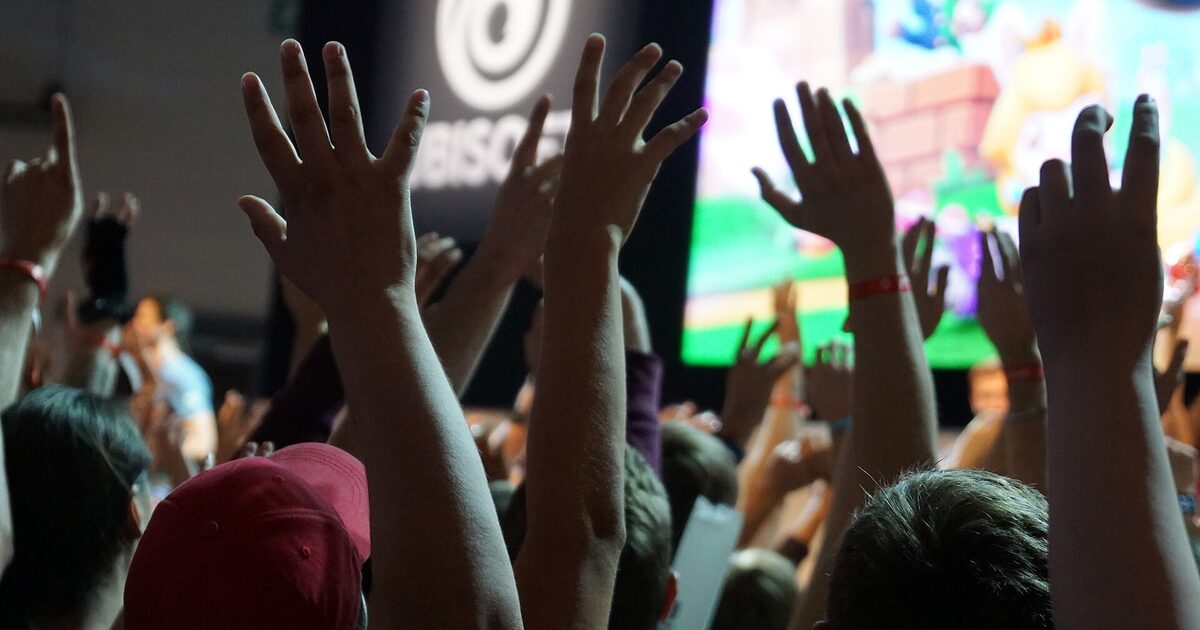
The featured photograph is an authentic, credited documentary image selected for its relevance to the subject. It should be understood as visual context, not evidence that the photographer witnessed the specific announcement, court proceeding, community event or interaction described in this article unless the accompanying caption explicitly says so.

A careful timeline also matters. Developments concerning the schedule, access and creator opportunities surrounding Gamescom 2026 should be evaluated according to when a decision was made, when it was reported and whether anything changed afterward. Older background can remain useful, but it should never be presented as breaking news, and a future event should not be described as though it already occurred.

For players, streamers, video creators, developers and viewers following announcements from outside Germany, the most dependable response is to consult the original records before making assumptions or important decisions. Gamescom's official event and press information, the Gamescom Dev program and participating publishers' schedules helps establish what can presently be verified, while additional official notices may clarify deadlines, eligibility, procedural developments or other details that a brief social-media post can easily overlook.

Read the source: Ubisoft: Official Gamescom 2026 stream and panel schedule

Sources and further reading

Gamescom: Official 2026 dates and event information

Gamescom: Press and creator participation information

Gamescom Dev: Official conference schedule and information

Ubisoft: Official Gamescom 2026 stream and panel schedule