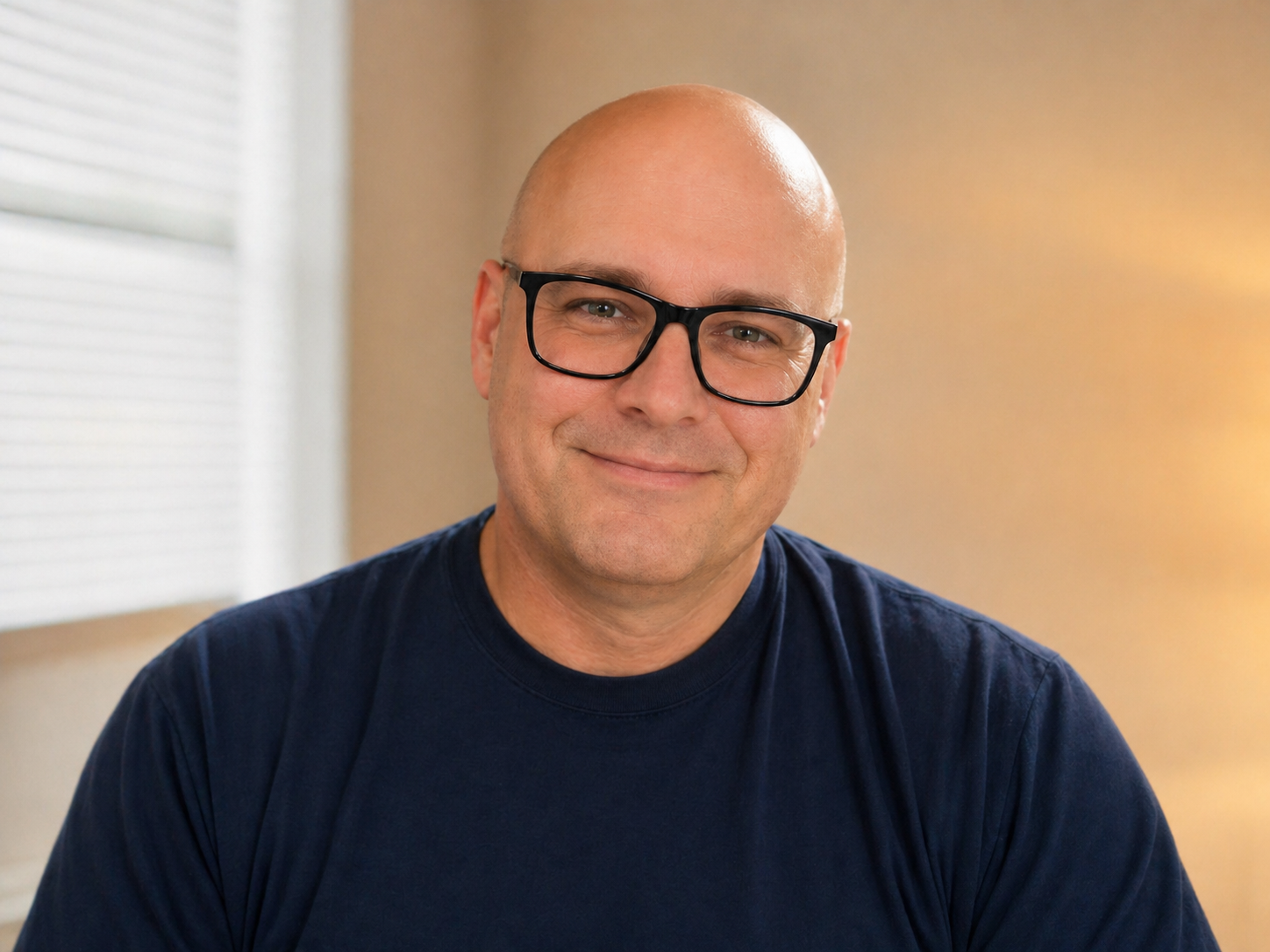
For Douglas Vandergraph, a growing audience has prompted a more demanding question: What makes the work worth returning to?
“I stopped assuming that more output automatically means more impact,” he said in a written interview with What’s the Scoop With Broach.
The Christian writer and digital creator reported approximately 600,000 YouTube subscribers as of September 28, 2026. That self-reported estimate was not independently verified, and Vandergraph cautioned against confusing accumulated subscriptions with the audience for an individual release.
“The biggest lesson is that 600,000 subscribers do not equal 600,000 active viewers on every upload,” he said.
A larger following creates opportunities, he explained, but guarantees neither distribution nor sustained attention. It also brings responsibility: Someone encountering just one video may form an impression of a much broader body of work.
Building beyond the latest upload
The internet first appealed to Vandergraph because it offered a way to reach people without waiting for a traditional gatekeeper. His early routine was straightforward: create, publish, watch the response and move on.
Over time, he began asking whether the material would remain useful after its initial attention faded. He also described a disabling stroke and a deeper commitment to Christian teaching as part of that change in perspective.
Today, his website’s master index connects biblical commentary, prayer resources, leadership writing and other subject collections. The structure reflects his move toward an organized collection of teaching, commentary and practical encouragement, with entry points beyond the newest post.
“I did not want all of the value of the work to depend on whether one platform happened to recommend a video that week,” Vandergraph said.
He looks for signs of usefulness in people finding older material, returning through search, sending messages and making inquiries. These are indicators he described, rather than independently audited results supplied with the interview.
“I would rather have something help the right person six months from now than have it generate a large number today and disappear tomorrow,” he said.
One message, different ways in
Vandergraph also reconsidered the assumption that the same post belongs everywhere.
Video, he said, benefits from conversational delivery. Longer articles offer space to develop an explanation and connect readers with related resources. On LinkedIn, he approaches topics through work, leadership and professional responsibility.
Perseverance illustrates the distinction. A video might address viewers directly; a professional-network post might begin with pressure or rebuilding after failure. A longer Christian article can explore the subject’s scriptural foundation.
“The message can remain the same while the doorway changes,” he said.
Each version should serve a purpose through its structure, emphasis or use, he argued. Without those choices, publishing more can produce disconnected posts instead of a useful path through the material.
The responsibility that comes with trust
Vandergraph said his professional work in project and program management helps him avoid relying entirely on income from Christian content.
He is open to sponsorships, affiliate relationships and other paid collaborations that fit his audience and are transparent. His boundary is an arrangement that allows a sponsor to dictate what he believes or teaches.
“If I would be embarrassed to explain the arrangement plainly to the audience, I probably should not accept it,” he said.
He applies a similar emphasis on accountability to religious discussion, distinguishing biblical text from his interpretation, Christian tradition and questions that remain uncertain or disputed.
“If I get something wrong, I would rather correct it than protect my ego,” he said.
Factual errors, interpretive disagreements and different conclusions call for different responses, he explained. Substantive disagreement can reveal something worth reconsidering.
A starting point for smaller creators
For creators with limited time and money, Vandergraph recommends choosing a subject that will hold their interest after the early excitement wears off.
Over 90 days, he would focus on building a recognizable body of work, maintaining a publishing routine consistent enough to learn from audience response, and producing at least one substantial resource with lasting value. Shorter posts can introduce readers to that deeper work.
Organizing early matters, too. A website, index, newsletter or playlist can help newcomers find their way. Chasing every platform trend, he warned, can consume time without creating anything recognizable.
His closing advice brings those priorities together:
“Make something useful. Make the next thing better. Connect the pieces. Give people a reason to return.”
About this interview
Based on Douglas Vandergraph’s written responses supplied to What’s the Scoop With Broach on September 28, 2026. Direct quotations are drawn from those responses.
Sources and further reading
Douglas Vandergraph: official website ↗