Two travel-linked cases are confirmed
Kern County Public Health confirmed two resident measles cases in an August announcement, the county’s first such cases since 2004. Officials said both were connected to a known travel-related exposure.
The department did not describe the announcement as proof of widespread community transmission. That distinction matters because an imported or travel-linked case can require contact tracing without establishing that measles is circulating broadly throughout Bakersfield or Kern County.
Patient names and personal details were not publicly released. Medical privacy and the needs of contact investigations limit what responsible coverage should disclose.
Read the source: Kern County Public Health: First measles cases of 2026 ↗
What symptoms and vaccination records mean
Measles can begin with fever, cough, runny nose and red eyes before a rash develops. Because the virus spreads readily through the air, health officials advise people with possible symptoms to call a medical provider before arriving at a clinic or emergency room.
Calling ahead allows staff to prevent exposure to other patients and workers. A person with urgent symptoms should still seek appropriate care while following instructions from medical professionals.
Kern officials said two doses of the measles, mumps and rubella vaccine are about 97% effective at preventing measles. Residents unsure about their records can contact a health provider, school or public-health agency for appropriate guidance.
Read the source: California Department of Public Health: Measles information ↗
Why the broader context matters
In Kern County, programs often work through overlapping networks of schools, public agencies, nonprofit organizations and volunteers. Understanding which institution actually operates a service matters because families can otherwise be sent to the wrong office, assume an opening is guaranteed or miss a deadline that applies only to a particular location.
The local significance is straightforward: Kern County families, schools, health workers and people who may be vulnerable to infection are more likely to benefit when accurate information reaches them before arrangements need to be made. Transportation, work schedules, school calendars and eligibility can all affect whether a promising community opportunity becomes something a family can realistically use.
Community announcements should not be mistaken for independent evaluations. A county agency can reliably describe what it operates, where an event occurred and how residents can participate, but claims about long-term educational or economic outcomes require additional evidence before they can be presented as proven results.
Read the source: CDC: Measles signs, prevention and vaccination ↗
What families should watch for
An exposure notice should include dates, locations and instructions from public-health authorities. Unverified social-media lists can wrongly identify businesses, schools or patients and should not be treated as official contact tracing.
The current record supports vigilance and vaccination review, not panic. Any change in the assessment of community spread should come from updated case investigations and official announcements.
The strongest available account comes from Kern County Public Health’s official case announcement and California public-health guidance, which provides the clearest basis for checking the underlying facts against claims circulating elsewhere. Independent reporting and official guidance serve different purposes: one can document a developing dispute, while the other helps establish the governing requirements, current procedures and questions that still need an answer.
There are important limits to what can be established now. Officials linked both cases to a known travel exposure; the announcement did not establish uncontrolled community spread or identify the patients publicly. Treating an unresolved question as settled would give readers a certainty the available evidence does not support. New statements, updated documents or additional reporting could clarify the situation, but none should be presumed before they appear.
The next meaningful development to watch is any exposure notices, additional confirmed cases and updated guidance from Kern County Public Health. Until then, people directly affected should rely on the institution responsible for the decision or service, check the dates attached to public guidance and be cautious about summaries that omit the legal, financial or local context.
Another useful distinction is the difference between an announcement and an outcome. Reporting on Kern County’s first confirmed resident measles cases of 2026 can establish what has been proposed, ordered, alleged or scheduled, but subsequent implementation may depend on separate decisions by Kern County Public Health’s official case announcement and California public-health guidance. That is why readers should check whether an update describes a completed action, an ongoing process or a statement of intent.
People following this issue should also consider whom the information is meant to help. For Kern County families, schools, health workers and people who may be vulnerable to infection, a clear explanation of dates, limitations and responsible institutions is more valuable than dramatic language unsupported by records. Responsible coverage should make those boundaries visible instead of presenting assumptions, online speculation or preliminary numbers as established conclusions.
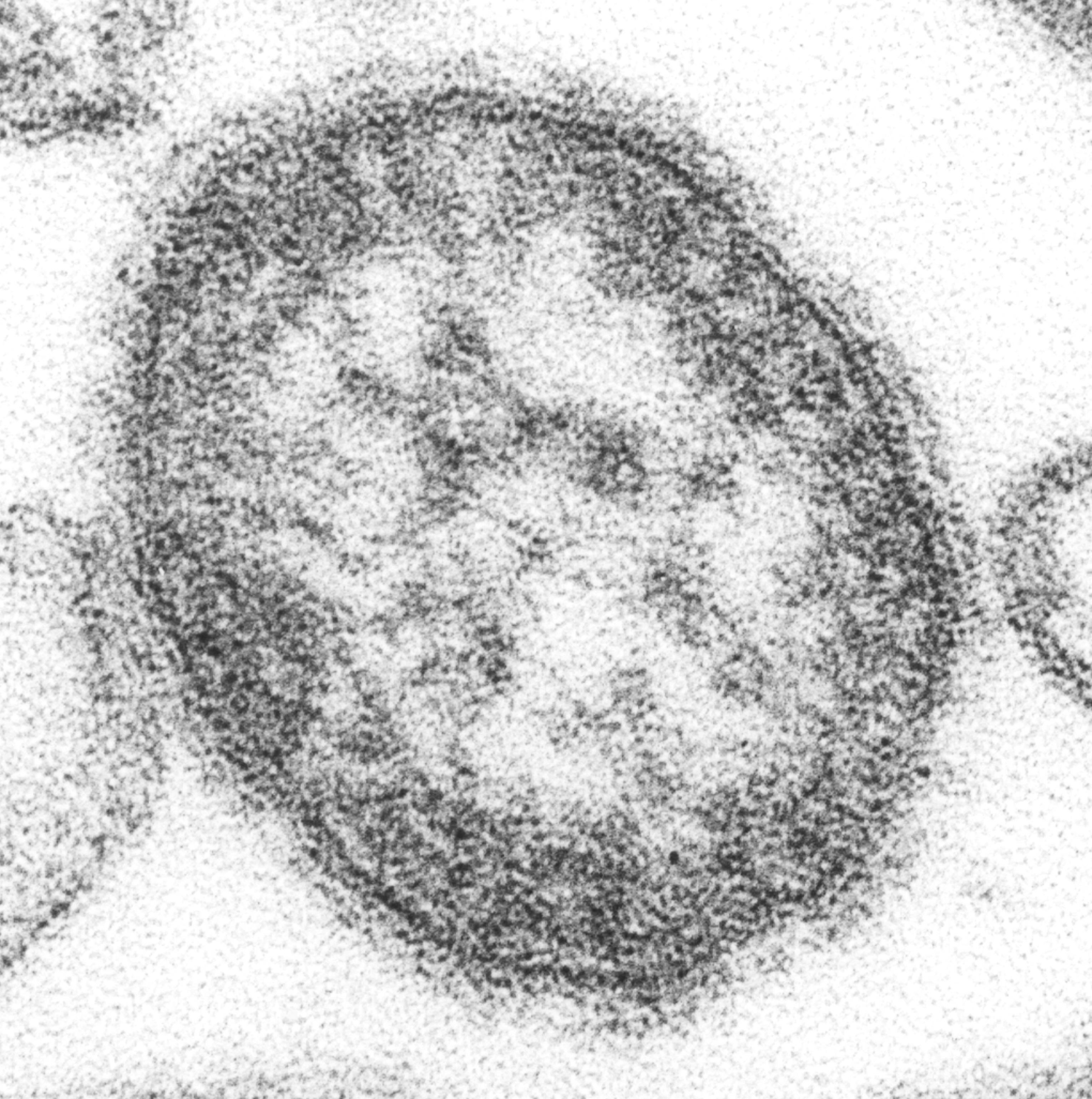
The featured photograph is an authentic, credited documentary image selected for its relevance to the subject. It should be understood as visual context, not evidence that the photographer witnessed the specific announcement, court proceeding, community event or interaction described in this article unless the accompanying caption explicitly says so.
A careful timeline also matters. Developments concerning Kern County’s first confirmed resident measles cases of 2026 should be evaluated according to when a decision was made, when it was reported and whether anything changed afterward. Older background can remain useful, but it should never be presented as breaking news, and a future event should not be described as though it already occurred.
For Kern County families, schools, health workers and people who may be vulnerable to infection, the most dependable response is to consult the original records before making assumptions or important decisions. Kern County Public Health’s official case announcement and California public-health guidance helps establish what can presently be verified, while additional official notices may clarify deadlines, eligibility, procedural developments or other details that a brief social-media post can easily overlook.
Sources and further reading
Kern County Public Health: First measles cases of 2026 ↗
California Department of Public Health: Measles information ↗