The state says an infectious traveler transferred in downtown Bakersfield
BAKERSFIELD, Calif. — California health officials are warning that passengers and station visitors may have been exposed to measles when an unvaccinated traveler passed through Bakersfield on Saturday, September 12. The traveler was later hospitalized with measles, according to a California Department of Public Health alert issued Friday.
The state's schedule places the passenger on Amtrak-linked route 5717 from Los Angeles to Bakersfield, with a scheduled arrival at Bakersfield Station, 601 Truxtun Avenue, at 1:45 p.m. The passenger was then scheduled to leave Bakersfield for Stockton on train 717 at 2:02 p.m. CDPH cautioned that the listed times are scheduled times and may differ from the actual arrival and departure.
CDPH says people who rode the listed trains or buses, or were at the stations on the listed days, may have been exposed. It did not publish a narrower Bakersfield Station exposure window, identify the passenger or say how many people were present during the transfer.
Exposure is not a diagnosis—and no new Kern case was announced
The alert means the virus may have been present; it does not mean every passenger or station visitor was infected. Nothing in the reviewed state alert confirms a new Kern County case, local person-to-person transmission or a community outbreak tied to Bakersfield Station.
The San Francisco Chronicle separately reported that the traveler moved through six California counties—Los Angeles, Kern, San Joaquin, Butte, Sacramento and Alameda—before continuing toward Denver. CDPH says it is working with the Centers for Disease Control and Prevention and local health departments to notify people who may have been exposed.
Measles spreads through the air when an infected person coughs or sneezes. The CDC says the virus can remain infectious in a room for as long as two hours after an infected person leaves, and up to nine out of ten susceptible people who have close contact with a measles patient can become infected.
Potentially exposed travelers should check immunity and call before seeking care
Saturday, September 19, marks seven days since the listed Bakersfield transfer. Because CDPH's recommendations overlap on day seven, anyone who was on the affected routes or at Bakersfield Station that day and is not fully immunized—or is unsure—should call a health-care provider now, describe the possible exposure and ask for individualized guidance.
CDPH says people exposed seven or fewer days ago should ask a provider about vaccination or immune globulin. Immune globulin is recommended for certain people at higher risk, including some infants younger than 12 months, pregnant people without immunity and people with weakened immune systems. Treatment and timing decisions belong with a clinician.
For people who are not immune and are seven to 21 days past exposure, the state says to stay home and limit interactions with others for 21 days after the exposure. Anyone who suspects measles should call before entering a clinic, emergency room or other health facility so staff can prevent additional exposure.
The symptom-monitoring period extends through October 3
CDPH advises potentially exposed people to watch for fever or an unexplained rash from seven to 21 days after exposure. For the September 12 Bakersfield stop, that monitoring period runs through October 3.
The CDC lists high fever, cough, runny nose, red or watery eyes and rash among common symptoms. Measles can cause pneumonia, brain swelling and death, with young children, pregnant people and people with weakened immune systems among those at increased risk of severe complications.
Two MMR doses provide the best protection. The CDC says two doses are about 97% effective against measles and one dose is about 93% effective. People who are unsure of their vaccination history should check their records or ask a health-care provider rather than assume they are protected.
California has reported 59 cases this year—but the alert does not prove spread in Bakersfield
California had recorded 59 confirmed measles cases in 13 counties as of September 14, according to CDPH's latest published statewide count. Four patients had been hospitalized and no deaths had been reported in the state this year as of that update.
Those statewide numbers provide context, not a count of infections caused by this traveler. The state has not said that anyone exposed on the Los Angeles-to-Bakersfield or Bakersfield-to-Stockton legs became ill, and it has not identified how many notifications involve Kern County.
The next material local update would be a Kern Public Health confirmation of a linked case, a more precise station exposure window or revised instructions for affected passengers. What’s the Scoop With Broach will update this report if officials release that information.
About the image
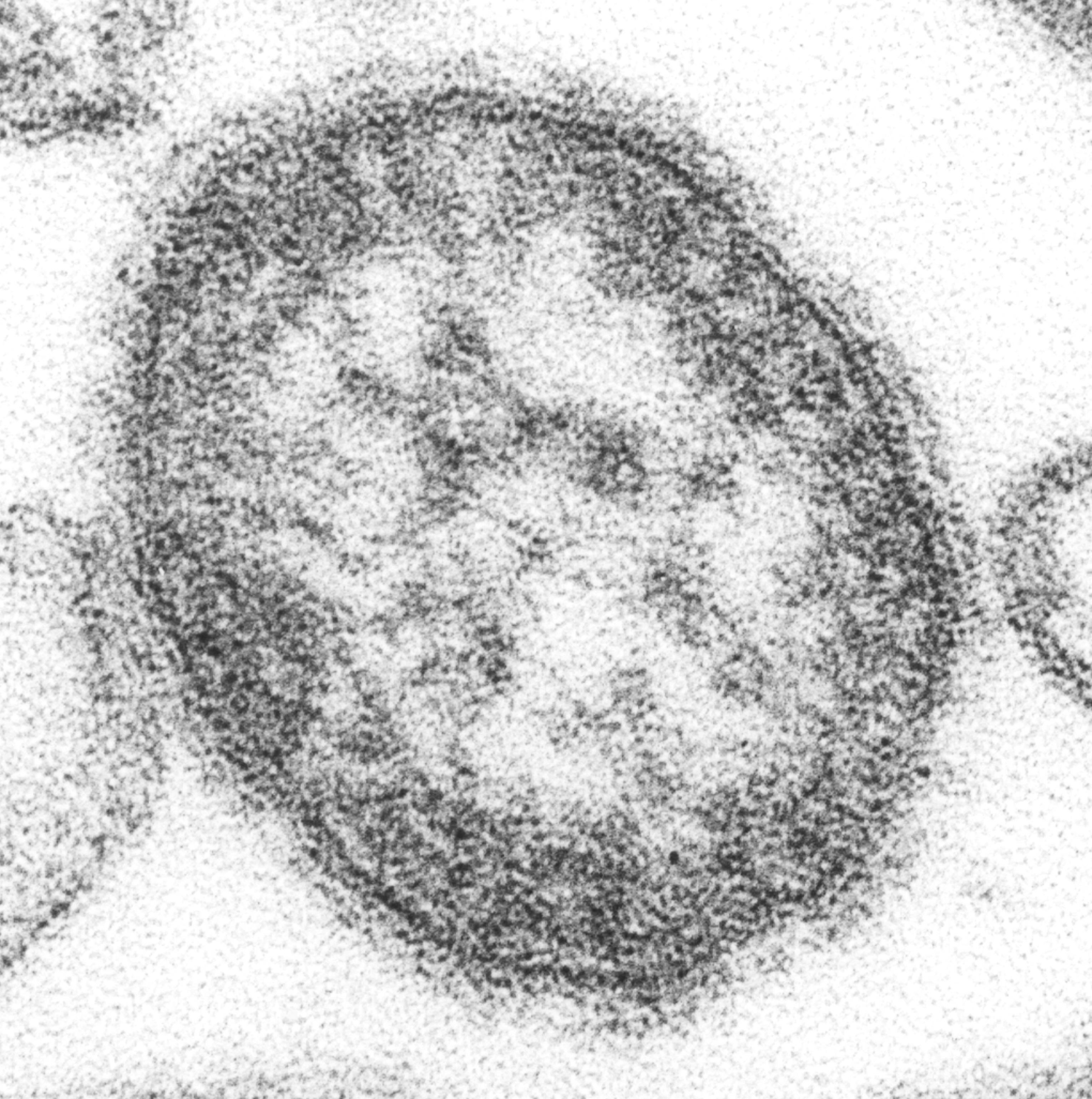
The accompanying image is an authentic electron-microscope photograph of measles virus particles created by Cynthia S. Goldsmith and William Bellini at the Centers for Disease Control and Prevention. Wikimedia Commons records the federal image as public domain.
It is a laboratory context image. It does not depict the passenger, Bakersfield Station, an exposed traveler, a patient or evidence that anyone in Kern County contracted measles from the September 12 trip.
Sources and further reading
San Francisco Chronicle: Independent report on the passenger, hospitalization and six-county route ↗
Wikimedia Commons: CDC measles-virus image and public-domain record ↗