Trump announces a demand—but not an enforceable five-dose rule
WASHINGTON — President Donald Trump said Friday that his administration plans to demand that vaccine manufacturers divide certain childhood vaccines into five smaller doses administered at six-month intervals.
Trump made the statement during an Oval Office health-care event, according to Reuters. He did not identify which vaccines would be affected, provide a timetable, cite a supporting clinical study or announce that the Food and Drug Administration or Centers for Disease Control and Prevention had changed any approved product or recommendation.
That distinction is essential: the president announced an intended policy direction, not a five-dose requirement that parents or clinicians must follow today. Existing vaccination decisions should still be made from current medical guidance and a patient's health circumstances, not from an unspecified future proposal.
The autism claim is unsupported by the evidence Trump presented
Trump predicted that dividing vaccines into smaller doses would sharply reduce autism. Reuters reports that he supplied no scientific evidence for that claim, and scientists have repeatedly rejected a causal link between vaccination and autism.
The CDC's current measles-vaccination page says scientists in the United States and other countries have carefully studied the MMR vaccine and found no link with autism. The American Academy of Pediatrics maintains its own evidence-based childhood schedule and has opposed delays that leave children unprotected longer.
A political statement does not establish safety, effectiveness or a causal medical relationship. Those questions require product-specific trials, regulatory review and publicly examinable evidence.
Friday's statement goes beyond Trump's August order
Trump signed an executive order in August promoting fewer routinely recommended childhood immunizations, separate measles, mumps and rubella products, and wider spacing of childhood shots. The Associated Press reported that some attempted schedule changes had already been blocked in federal court.
Friday's five-dose statement adds a specific number and interval to that campaign, but it remains less specific about the products. Reuters reports that separate measles, mumps and rubella shots are not currently licensed in the United States and could take years to develop, if manufacturers pursue them.
Nothing reviewed for this report establishes that manufacturers have agreed to reformulate a vaccine, that the FDA has approved a five-dose product or that the CDC has adopted a five-dose recommendation.
Current federal MMR guidance still calls for two doses
The CDC currently lists two combination MMR vaccines available in the United States: M-M-R II and PRIORIX. Its public guidance recommends a first dose for children at 12 to 15 months and a second at ages 4 to 6 years, with different timing in certain travel, outbreak or medical circumstances.
The same CDC page says one MMR dose is 93% effective against measles and two doses are 97% effective. It also explains that school vaccination requirements are set under state law, not by a single federal rule.
California families should not read Friday's remarks as an immediate change to school-entry requirements or an instruction to alter a child's schedule without professional guidance. No reviewed California order or regulation implements Trump's proposed five-dose approach.
What would have to happen next
A real five-dose policy would require the administration to identify covered vaccines, explain whether manufacturers must change formulation or packaging, address FDA approval and labeling, establish a CDC recommendation process, and clarify insurance and Vaccines for Children coverage.
It would also face medical scrutiny over whether longer intervals delay protection against measles, pertussis or other preventable diseases. The Associated Press has reported that public-health experts warn extra visits can increase the time children remain susceptible and reduce completion rates.
The next material update will be a written federal proposal, manufacturer response, FDA filing, CDC action or court order. Until one appears, the accurate headline is that Trump announced a five-dose demand—not that the childhood vaccine schedule has already changed.
About the image
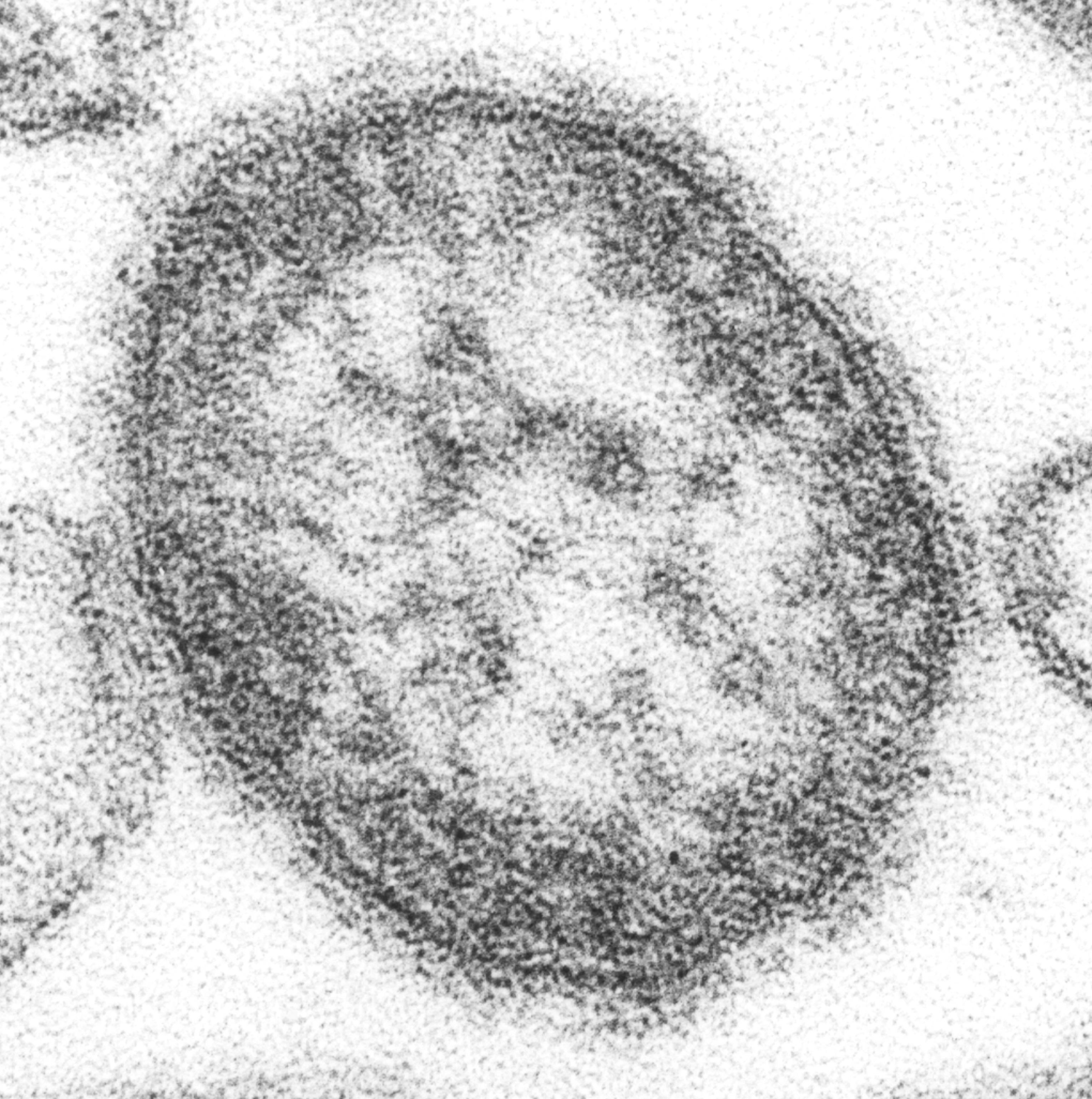
The accompanying image is an authentic electron-microscope photograph of measles virus particles created by Cynthia S. Goldsmith and William Bellini at the Centers for Disease Control and Prevention. Wikimedia Commons records the federal image as public domain.
The microscopy image is used as medical context because Trump's broader campaign specifically includes changing measles-vaccine policy. It does not depict a vaccine dose, a child, an adverse event, the Oval Office announcement or evidence supporting the proposed five-dose approach.
Sources and further reading
Reuters: Trump's five-dose statement and the unanswered implementation questions ↗
Associated Press: August vaccine order, legal authority and medical response ↗
CDC: Current MMR products, schedule, safety and effectiveness guidance ↗
American Academy of Pediatrics: Current child and adolescent immunization schedule ↗
Wikimedia Commons: CDC measles-virus image and public-domain record ↗