Pennsylvania begins requesting emergency CDC support
HARRISBURG, Pa. — Pennsylvania has begun the process of requesting emergency support from the Centers for Disease Control and Prevention as a fast-growing measles outbreak spreads across the state, according to a letter reviewed independently by Reuters and The Guardian.
State Health Secretary Debra Bogen sent the letter Wednesday evening to CDC Director Erica Schwartz. The requested response, known as an Epi-Aid, would add short-term federal personnel and technical expertise to the state and local response; it is not a federal takeover of Pennsylvania's health department.
The shift is material because Pennsylvania had previously declined additional CDC personnel, saying state officials were managing the outbreak. The state is seeking more help after infections accelerated, spread farther from the original Lancaster County center and produced additional deaths.
The state count now stands at 731 cases and four deaths
Pennsylvania's Department of Health reported Wednesday that the 2026 outbreak had reached 731 confirmed cases across 38 counties, including 38 new cases since September 14. The agency reported 141 hospitalizations and four confirmed measles-associated deaths.
The state says all four deaths met its epidemiological definition after investigations involving clinical evidence, positive laboratory tests and findings that the deaths were not caused by unrelated conditions. Two deaths were reported in Lancaster County in August; two additional deaths involving unvaccinated people in Jefferson and Mifflin counties were confirmed September 15.
A measles-associated death is a public-health surveillance classification. It should not be rewritten as a claim that measles was necessarily the sole or immediate cause on every death certificate. Pennsylvania says the four cases meet its published criteria; the federal government has not incorporated them into its national fatality count.
The aid request comes with a disputed condition
Bogen's letter says Pennsylvania may withdraw its Epi-Aid request unless CDC publicly and accurately communicates information about the four state-confirmed deaths. She argues that leaving them out of the federal count undermines the state's response by minimizing the outbreak's severity.
The condition does not mean federal teams are already deployed. HHS spokesperson Grace Davis Jamison told Reuters that CDC had not received the request through its normal channels and said outbreak assistance should be separated from the method used for federal fatality reporting.
Jamison accused the state of political blackmail and said CDC would not submit to it. That is the federal department's characterization of Pennsylvania's condition, not an adjudicated finding. The reviewed reporting does not establish that CDC has approved, rejected or staffed the requested Epi-Aid.
A fight over definitions is now affecting outbreak coordination
The conflict has pitted Democratic Governor Josh Shapiro and his health department against Health Secretary Robert F. Kennedy Jr. Kennedy has questioned whether deaths associated with measles outbreaks should be attributed to the virus and has accused Pennsylvania of politicizing the response; Shapiro has accused federal leaders of playing politics with public health.
The disagreement is not merely rhetorical now. Pennsylvania has tied acceptance of additional outbreak personnel to public federal recognition of the deaths, while HHS says help cannot be conditioned on a reporting dispute.
Readers should separate three questions: whether Pennsylvania's cases meet the state's measles-associated-death definition, whether federal vital-statistics rules will count them as measles deaths, and whether CDC personnel will be sent. The first is confirmed by the state. The other two remain unresolved.
Cases and hospitalizations are still rising
The official statewide count rose from 393 cases in 28 counties when Pennsylvania announced its first two deaths on August 25 to 731 cases in 38 counties on September 16. The newer total is 338 cases higher in roughly three weeks.
Pennsylvania says state teams have operated 140 pop-up clinics and administered nearly 4,400 MMR doses in affected communities since the outbreak began in late April. State health-center staff have administered more than 6,800 MMR doses statewide this year, while other Pennsylvania health providers administered more than 46,000 doses in August.
Those vaccination figures describe response activity, not proof the outbreak is controlled. The number of confirmed cases, affected counties and hospitalizations remains the clearer measure of current spread.
What families should know
CDC says measles spreads through the air and can remain infectious in a room for up to two hours after an infected person leaves. Symptoms commonly begin with fever, cough, runny nose and red, watery eyes before a rash appears.
The agency says two MMR doses are about 97% effective at preventing measles and one dose is about 93% effective. People who believe they were exposed or who develop symptoms should contact a health provider before arriving so the clinic can limit additional exposure.
This report is not a warning of a new Bakersfield or Kern County exposure. It covers Pennsylvania's outbreak and a national public-health dispute. California residents should continue to follow their local health department for exposure notices and individual vaccination guidance.
What is confirmed—and what is not
Confirmed: Pennsylvania reports 731 cases, 141 hospitalizations and four measles-associated deaths; the state has begun requesting CDC Epi-Aid support; and the health secretary's letter says the request may be withdrawn if CDC does not recognize the deaths publicly.
Not confirmed: that CDC has accepted or rejected the request, that federal responders have been deployed, or that the national fatality count has changed. The four deaths are confirmed in Pennsylvania's surveillance count but remain disputed in federal reporting.
What’s the Scoop With Broach will update this report when CDC or HHS announces a decision, personnel arrive, or Pennsylvania publishes another material case or fatality update.
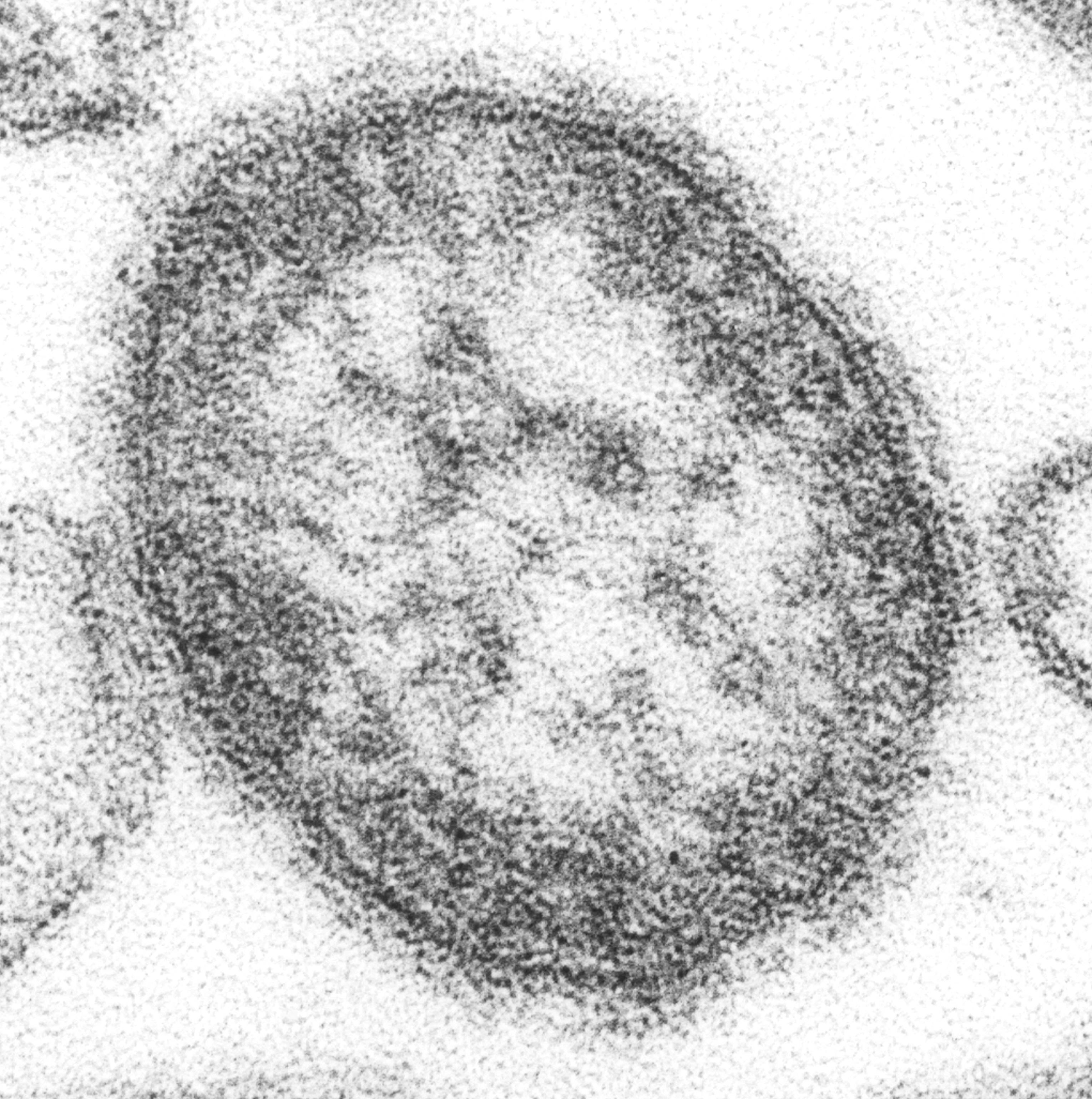
The accompanying image is an authentic public-domain CDC electron micrograph of measles virus particles. It is scientific context and does not depict any Pennsylvania patient, hospital, official or current response operation.
Sources and further reading
Reuters: Pennsylvania begins CDC Epi-Aid request amid fatality-count dispute ↗
The Guardian: Independent review of the state health secretary's letter ↗
CDC: Measles symptoms, spread and serious complications ↗
CDC: Measles vaccination, safety and effectiveness ↗
Wikimedia Commons: Public-domain CDC measles-virus micrograph ↗