Verdict: the fabrication claim is unsubstantiated
Pennsylvania's health department announced two 'measles-associated' deaths in Lancaster County, while the county coroner said he did not have two deaths certified as caused by measles. Health Secretary Robert F. Kennedy Jr. then suggested the deaths might have been fabricated.
FactCheck.org found no evidence that officials invented the deaths. The dispute concerns what 'measles-associated' means, whether measles contributed medically and why the state released so little information—not proof that nonexistent people were entered into a report.
One known case involved a newborn who tested positive for measles and died after a ruptured spleen. The coroner said a pathologist did not consider measles contributory, while other experts said congenital measles could plausibly affect the spleen. The investigation was not complete.
Read the source: FactCheck.org: What is known about the Pennsylvania deaths ↗
Different systems can answer different questions
A death certificate identifies immediate, underlying and contributing causes. Public-health surveillance can use a broader case definition to flag a death occurring with laboratory or epidemiological evidence during an outbreak before every causal question is finalized.
Those systems are not necessarily contradictory, but Pennsylvania's explanation was inadequate. Calling a death 'related' to measles invites readers to hear a settled causal conclusion, while saying only 'associated' may hide how uncertain or indirect the relationship is.
The second case remains especially unclear. The health department confirmed it but did not provide enough de-identified information for outside experts or the public to understand the basis for the classification.
How the evidence should be interpreted
A defensible fact check begins by identifying the exact assertion being evaluated. Questions about the allegation that Pennsylvania officials fabricated two deaths described as measles-associated cannot be answered responsibly by substituting a broader political opinion, relying on a screenshot without context or treating an early procedural development as though it resolved every remaining legal or factual dispute.
Official materials deserve particular attention, but even primary documents have limits: they establish what an agency announced, what a court ordered or what rules currently say, not whether every public interpretation is correct. Where accounts conflict, the relevant date, issuing authority and legal effect matter more than the confidence of the person repeating the claim.
The stakes for Pennsylvania families, public-health workers and people trying to assess outbreak risk and vaccination information are practical as well as informational. A misleading claim can cause unnecessary panic, discourage lawful participation or create the mistaken impression that rights and obligations changed immediately when, in reality, an appeal, injunction, eligibility rule or unpaid balance still controls the outcome.
Uncertainty must be reported in both directions
It would be premature to say measles definitively caused both deaths. It is equally unsupported to say officials fabricated them. The honest verdict is that causation remains unresolved and the state's information gap has encouraged speculation.
None of that changes the established fact that measles can cause serious complications and that vaccination sharply reduces risk. Public trust is best served when agencies publish clear definitions, correct overstatement and release as much non-identifying evidence as the law allows.
The strongest available account comes from Pennsylvania health records and statements, the Lancaster County coroner's account and FactCheck.org's medical and legal review, which provides the clearest basis for checking the underlying facts against claims circulating elsewhere. Independent reporting and official guidance serve different purposes: one can document a developing dispute, while the other helps establish the governing requirements, current procedures and questions that still need an answer.
There are important limits to what can be established now. The available record does not resolve whether measles caused or contributed to both deaths, and the state has not released enough detail about the second case; that information gap does not establish fabrication. Treating an unresolved question as settled would give readers a certainty the available evidence does not support. New statements, updated documents or additional reporting could clarify the situation, but none should be presumed before they appear.
The next meaningful development to watch is completed death investigations, clearer state disclosure about the second case and any revised classification supported by medical certification. Until then, people directly affected should rely on the institution responsible for the decision or service, check the dates attached to public guidance and be cautious about summaries that omit the legal, financial or local context.
Another useful distinction is the difference between an announcement and an outcome. Reporting on the allegation that Pennsylvania officials fabricated two deaths described as measles-associated can establish what has been proposed, ordered, alleged or scheduled, but subsequent implementation may depend on separate decisions by Pennsylvania health records and statements, the Lancaster County coroner's account and FactCheck.org's medical and legal review. That is why readers should check whether an update describes a completed action, an ongoing process or a statement of intent.
People following this issue should also consider whom the information is meant to help. For Pennsylvania families, public-health workers and people trying to assess outbreak risk and vaccination information, a clear explanation of dates, limitations and responsible institutions is more valuable than dramatic language unsupported by records. Responsible coverage should make those boundaries visible instead of presenting assumptions, online speculation or preliminary numbers as established conclusions.
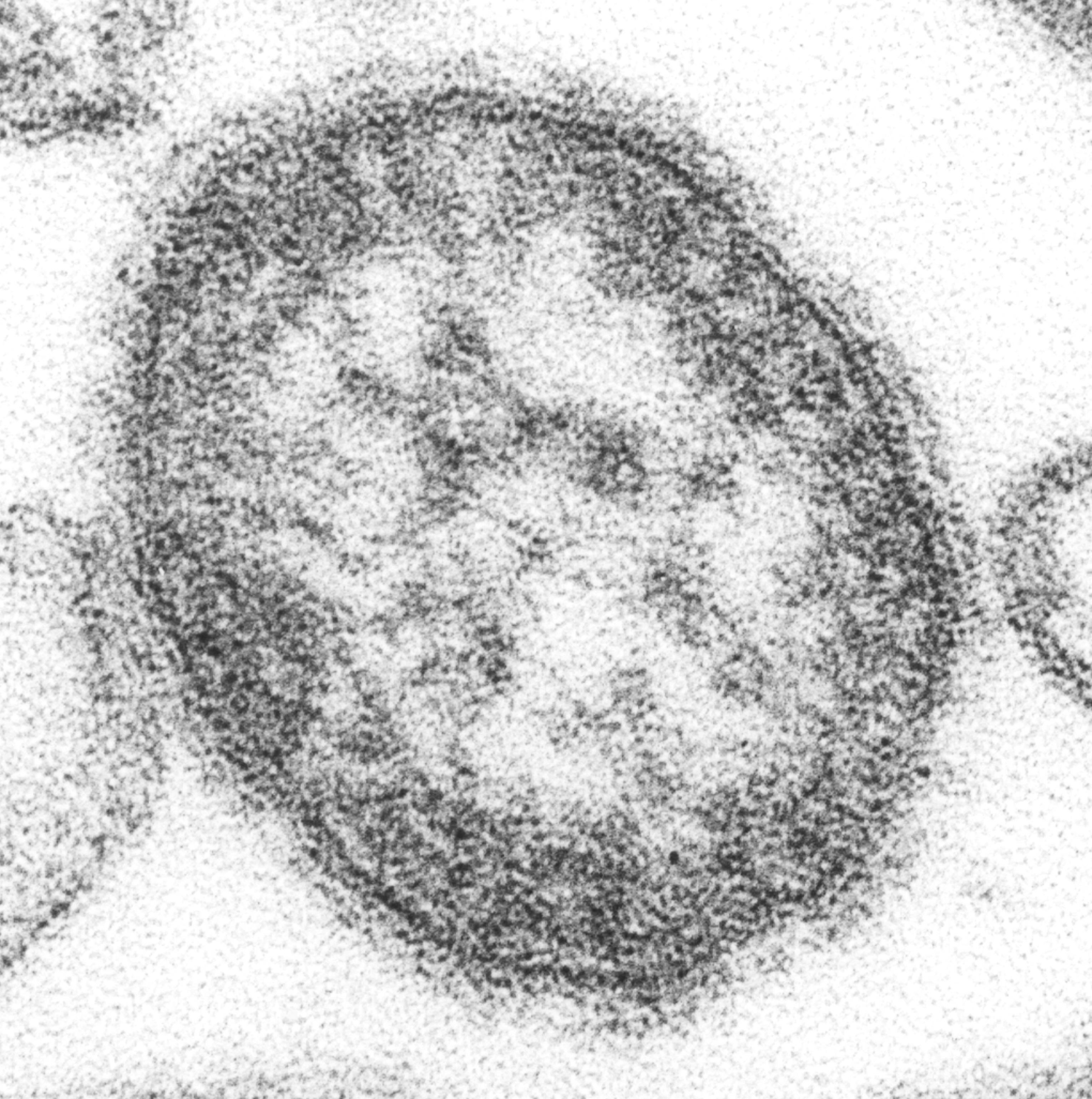
The featured photograph is an authentic, credited documentary image selected for its relevance to the subject. It should be understood as visual context, not evidence that the photographer witnessed the specific announcement, court proceeding, community event or interaction described in this article unless the accompanying caption explicitly says so.
A careful timeline also matters. Developments concerning the allegation that Pennsylvania officials fabricated two deaths described as measles-associated should be evaluated according to when a decision was made, when it was reported and whether anything changed afterward. Older background can remain useful, but it should never be presented as breaking news, and a future event should not be described as though it already occurred.
Read the source: Wikimedia Commons: CDC measles micrograph ↗
Sources and further reading
FactCheck.org: What is known about the Pennsylvania deaths ↗
Pennsylvania measles dashboard ↗