A remote drive became a desperate search for help
A 68-year-old visitor from France died in Death Valley National Park after a vehicle became stuck on a remote road and he attempted to walk across the desert in temperatures that reached 116 degrees, according to the National Park Service.
Park officials identified the man as Pierre Michel Formosa. He and a traveling companion, also from France, were on West Side Road on Monday, August 17, when their vehicle became stuck in mud near Queen of Sheba Mine Road, the agency said in an August 21 news release.
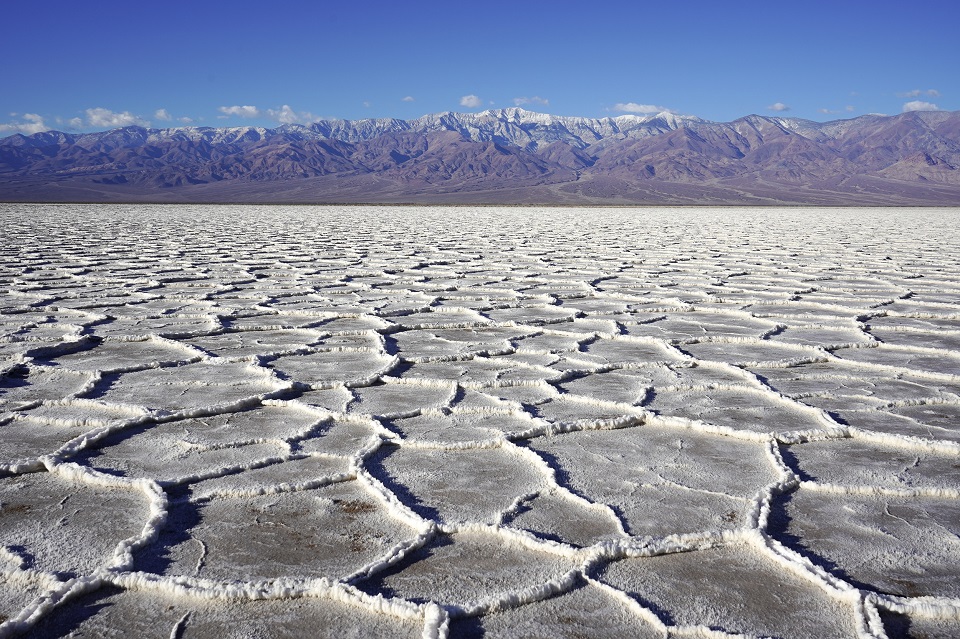
The road runs through an isolated section of the California national park, where help can be far away and cellphone service is often limited or unavailable. With no other vehicles nearby, the two men left their stranded vehicle and began walking across the salt flats toward Badwater Road to find assistance.
After approximately 1.3 miles, Formosa was unable to continue, according to park officials. His companion kept moving toward Badwater Road, where a passing motorist eventually helped him reach the Furnace Creek Visitor Center.
The companion reported the emergency shortly after 2 p.m. By then, the desert heat had turned an already difficult walk into an urgent search-and-rescue situation.
Rangers, a deputy and a CHP helicopter joined the search
National Park Service rangers and an Inyo County sheriff’s deputy began searching at approximately 2:13 p.m., according to the park’s official account. A California Highway Patrol helicopter also joined the operation.
The helicopter located Formosa later that afternoon, approximately 1.5 miles from Badwater Road. He was pronounced dead at the scene.
The National Park Service said temperatures reached 116 degrees Fahrenheit on the day the men became stranded. However, the Inyo County coroner will determine the official cause and manner of death, and authorities had not publicly released that determination when the park issued its statement.
The available information does not establish how much water the men carried, how long Formosa was exposed to the heat, whether either traveler had an underlying medical condition, or precisely how the vehicle became immobilized beyond the agency’s statement that it was stuck in mud.
Park Superintendent Mike Reynolds offered condolences to Formosa’s family and friends and described the death as a heartbreaking reminder that conditions in Death Valley can become dangerous quickly, even for people who believe they are prepared.
Extreme heat and distance leave little margin for error
Death Valley is famous for its striking desert scenery, vast salt flats and some of the most severe summer temperatures recorded anywhere in the United States. The landscape attracts visitors from around the world, but its size, isolation and climate can make relatively short distances far more dangerous than they appear.
Badwater Basin sits 282 feet below sea level, making it the lowest point in North America, according to the National Park Service. During summer, the surrounding valley floor can experience intense heat that makes walking at lower elevations particularly hazardous.
The park’s summer guide warns that visitors should avoid hiking at low elevations during hot weather and remain on paved roads whenever possible. It also cautions that tow trucks and emergency responders may need hours to reach someone stranded in a remote area.
Cellphone coverage cannot be assumed across the park. Officials recommend carrying a satellite communicator or emergency beacon when traveling in isolated areas, along with a clear itinerary shared with someone who knows when the traveler is expected to return.
West Side Road parallels Badwater Road across part of the valley, but crossing open desert on foot is not the same as traveling an equivalent distance along a shaded city street. Exposure, uneven terrain, the absence of shelter and rapidly worsening dehydration can turn a short-looking route into a life-threatening emergency.
What park officials recommend if a vehicle becomes stranded
In its statement following Formosa’s death, the National Park Service urged visitors to plan their routes in advance, check current weather and road conditions, and select a vehicle suited to the roads they intend to travel.
The park recommends carrying at least one gallon of drinking water per person, per day, plus additional water reserved for vehicle emergencies. Visitors should also pack food, basic emergency supplies and a reliable way to request help where ordinary cellphone service is unavailable.
If a vehicle becomes disabled, remaining with it is often the safest option, the agency said. A vehicle can provide shade and shelter, and search crews generally have an easier time finding a vehicle than locating a person moving alone across open desert.
Park officials also advise visitors to watch for signs of heat illness, including dizziness, nausea, headache, confusion and unusual fatigue. Anyone experiencing those symptoms should get out of the sun, reduce activity, cool down and seek emergency assistance as soon as possible.
Formosa’s death remains under review by the Inyo County coroner. The National Park Service has not identified his traveling companion publicly in its initial release, and additional findings about the cause of death may be released after the investigation is complete.
Sources and further reading
National Park Service: Official report on Pierre Michel Formosa’s death ↗
CBS 8: French tourist dies after becoming stranded in Death Valley ↗
National Park Service: Death Valley summer safety and preparedness ↗
National Park Service: Current Death Valley alerts and conditions ↗
National Park Service: Badwater salt flats photograph by Jennette Jurado ↗