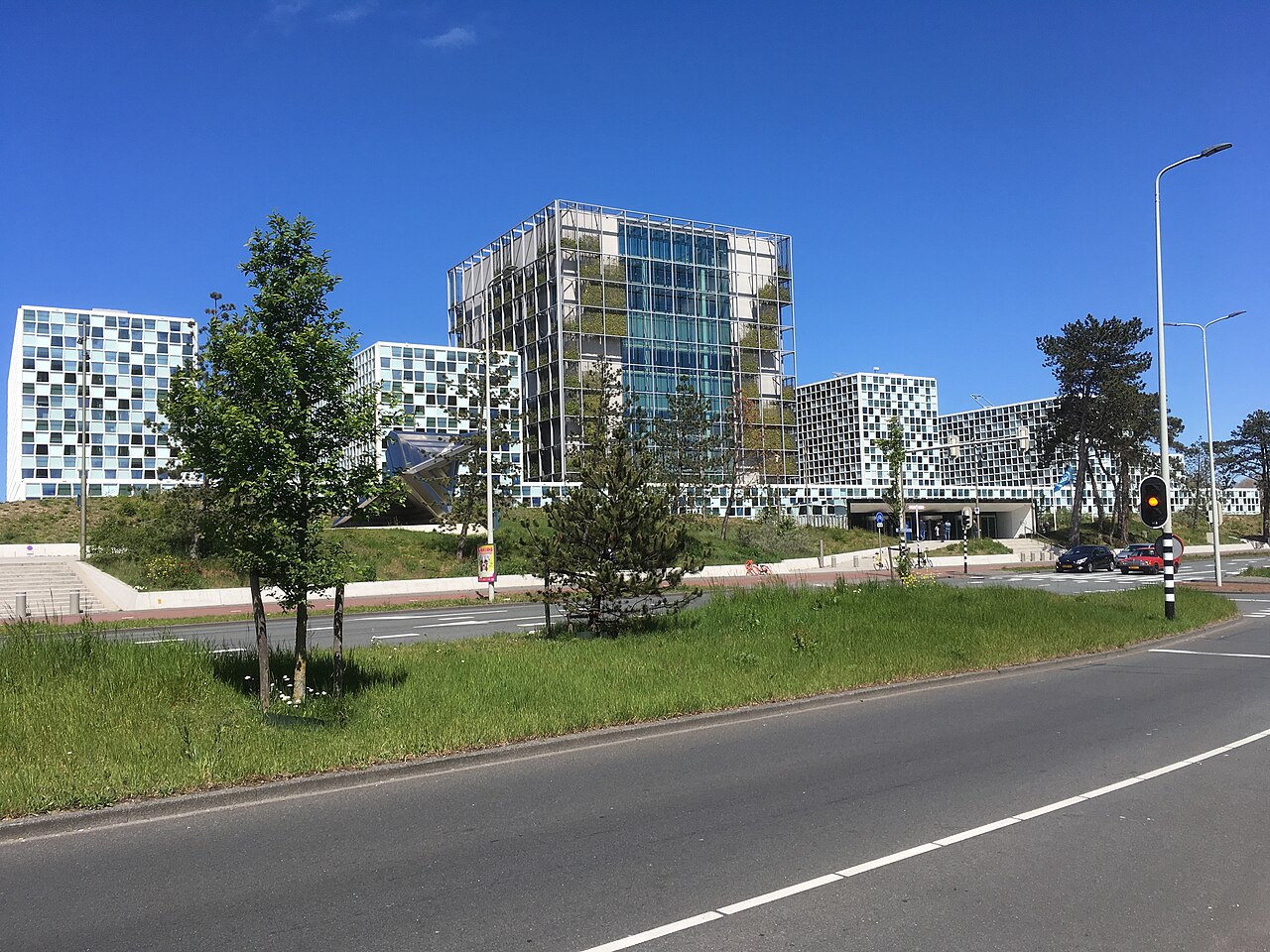
Europe has delivered a public endorsement of the International Criminal Court at a moment when the institution faces mounting pressure from Washington. The European Parliament announced on October 22 that the court and its officials would receive the 2026 Sakharov Prize for Freedom of Thought.
The recognition follows new U.S. sanctions and European promises to protect the court. This analysis examines the gap between that political endorsement and the practical support needed to keep an international judicial institution functioning.
What the prize establishes
Parliament’s announcement recognizes the ICC collectively with its officials. The formal award ceremony is scheduled for December in Strasbourg.
In its response, the court thanked Parliament and said the honor arrived amid exceptional challenges, including sanctions intended to disrupt its judicial work. That is the court’s description of the pressure it faces, and a reminder that its concern extends beyond public criticism.
An award gives an institution visibility and political backing. It does not automatically secure the financial and other services on which its work depends. The distinction matters when assessing whether Europe’s response is sufficient: recognition is one action, while preserving the court’s ability to function requires further decisions.
The disagreement behind the honor
The U.S. State Department announced sanctions against the court on October 9. Secretary of State Marco Rubio framed the action around preventing the ICC from prosecuting Americans and restricting the resources available to the institution.
The European Union’s October 10 response emphasized a different principle. It said the ICC prosecutes individuals, rather than sovereign states, and acts when relevant domestic authorities are unwilling or unable genuinely to investigate or prosecute. National judicial systems retain the primary role under that arrangement, known as complementarity.
The EU also acknowledged a delay in the latest measures taking effect and Washington’s willingness to discuss its concerns with countries belonging to the court’s founding treaty. European officials described that opening as an opportunity for diplomacy.
Those positions leave a difficult question: can negotiations address the disagreement while preserving the independence that Europe says it supports? The prize itself supplies no answer.
Europe has already named the practical test
At their October 15–16 summit, EU leaders called for protecting international courts and their officials, including continued access to financial and other services. They asked the European Commission to help protect the ICC and limit the effects of sanctions, particularly on European companies supplying services to it.
That commitment makes follow-through measurable. Can the court continue obtaining the services it needs? Can governments give providers sufficient confidence to maintain those relationships? What concrete measures result from the Commission’s work?
The summit statement establishes an undertaking to act. It does not demonstrate that every operational problem has been solved. The later award should therefore be read alongside those earlier promises, with attention to what changes in practice.
A useful measure of progress will be the specificity of subsequent announcements: which services are protected, which problems remain, and who is responsible for resolving them. Public praise alone cannot supply that information.
Recognition must be followed by evidence
Supporting a court’s independence does not require treating an allegation as a conviction or accepting every decision without scrutiny. It requires leaving room for legal proceedings to operate without political pressure determining their outcome.
For Europe, the immediate challenge is connecting its public defense of international justice to the protections it has promised. The Sakharov Prize makes that position visible. The next evidence to watch is whether diplomacy and practical safeguards allow the institution to continue its work.
Sources and further reading
European Parliament, Sakharov Prize announcement, October 22, 2026 ↗
ICC statement following the award, October 22, 2026 ↗
Secretary Marco Rubio’s October 9, 2026 statement, reproduced by Forth ↗
Council of the EU statement on U.S. sanctions, October 10, 2026 ↗
European Council, October 15–16, 2026 summit: Upholding international law ↗
Photo: OSeveno / Wikimedia Commons — CC BY-SA 3.0 ↗
Photograph license: Creative Commons Attribution-ShareAlike 3.0 ↗