Heat remains dangerous after the peak headlines

Two Kern County residents died this summer in cases linked to extreme heat, according to local reporting citing the Kern County Coroner’s Office. The deaths were reported as hotter weather again approached the region.

Heat risk does not disappear because the calendar moves toward fall. Bakersfield can experience dangerous temperatures late in the season, particularly when overnight lows provide little recovery.

A coroner’s heat-related designation is more authoritative than speculation about a person’s medical history. Public reports may not include every condition or circumstance that contributed to an individual death.

Read the source: Bakersfield local-news roundup: Two Kern heat-related deaths

Risk depends on exposure and access to cooling

Outdoor work, strenuous activity, certain medications, age and chronic illness can increase vulnerability. People without dependable air conditioning or transportation to a cooling location may have fewer options when indoor temperatures rise.

Warning signs can include headache, dizziness, nausea, weakness, heavy sweating and confusion. Confusion, fainting or very high body temperature can indicate an emergency requiring immediate medical help.

Fans alone may not provide sufficient protection in extremely hot rooms. Hydration, shade, rest breaks and access to air-conditioned space are central parts of heat-safety guidance.

Read the source: Kern County: 2026 cooling-center schedule

Why the broader context matters

In Kern County, programs often work through overlapping networks of schools, public agencies, nonprofit organizations and volunteers. Understanding which institution actually operates a service matters because families can otherwise be sent to the wrong office, assume an opening is guaranteed or miss a deadline that applies only to a particular location.

The local significance is straightforward: outdoor workers, older residents, medically vulnerable people and households without reliable cooling are more likely to benefit when accurate information reaches them before arrangements need to be made. Transportation, work schedules, school calendars and eligibility can all affect whether a promising community opportunity becomes something a family can realistically use.

Community announcements should not be mistaken for independent evaluations. A county agency can reliably describe what it operates, where an event occurred and how residents can participate, but claims about long-term educational or economic outcomes require additional evidence before they can be presented as proven results.

Read the source: CDC: Heat and health safety

Local information can prevent a crisis

Kern County publishes cooling-center schedules, but hours and activation conditions can vary. Residents should confirm a site is open before traveling and call emergency services when someone has severe symptoms.

Checking on neighbors and relatives can help identify trouble early. Employers and event organizers also have responsibilities to plan for water, rest, acclimatization and emergency response.

The strongest available account comes from Kern County coroner reporting summarized by Bakersfield-area news and official heat-safety guidance, which provides the clearest basis for checking the underlying facts against claims circulating elsewhere. Independent reporting and official guidance serve different purposes: one can document a developing dispute, while the other helps establish the governing requirements, current procedures and questions that still need an answer.

There are important limits to what can be established now. A heat-linked case description does not reveal every medical factor, and precise cause-and-manner determinations belong to the coroner. Treating an unresolved question as settled would give readers a certainty the available evidence does not support. New statements, updated documents or additional reporting could clarify the situation, but none should be presumed before they appear.

The next meaningful development to watch is updated forecasts, public cooling-center notices and any additional coroner findings. Until then, people directly affected should rely on the institution responsible for the decision or service, check the dates attached to public guidance and be cautious about summaries that omit the legal, financial or local context.

Another useful distinction is the difference between an announcement and an outcome. Reporting on Kern County heat-related deaths and late-summer exposure risks can establish what has been proposed, ordered, alleged or scheduled, but subsequent implementation may depend on separate decisions by Kern County coroner reporting summarized by Bakersfield-area news and official heat-safety guidance. That is why readers should check whether an update describes a completed action, an ongoing process or a statement of intent.

People following this issue should also consider whom the information is meant to help. For outdoor workers, older residents, medically vulnerable people and households without reliable cooling, a clear explanation of dates, limitations and responsible institutions is more valuable than dramatic language unsupported by records. Responsible coverage should make those boundaries visible instead of presenting assumptions, online speculation or preliminary numbers as established conclusions.

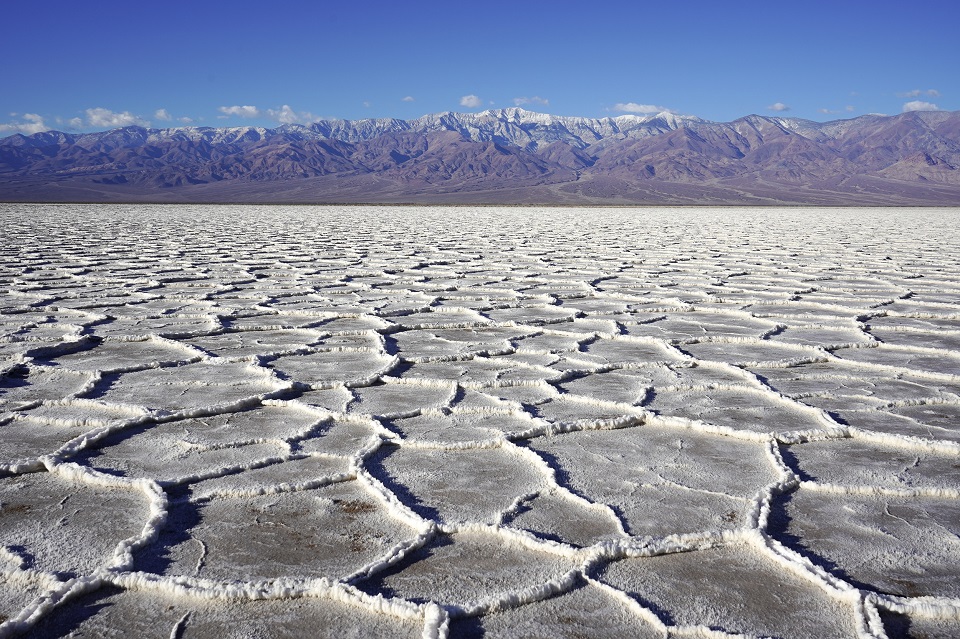
The featured photograph is an authentic, credited documentary image selected for its relevance to the subject. It should be understood as visual context, not evidence that the photographer witnessed the specific announcement, court proceeding, community event or interaction described in this article unless the accompanying caption explicitly says so.

A careful timeline also matters. Developments concerning Kern County heat-related deaths and late-summer exposure risks should be evaluated according to when a decision was made, when it was reported and whether anything changed afterward. Older background can remain useful, but it should never be presented as breaking news, and a future event should not be described as though it already occurred.

For outdoor workers, older residents, medically vulnerable people and households without reliable cooling, the most dependable response is to consult the original records before making assumptions or important decisions. Kern County coroner reporting summarized by Bakersfield-area news and official heat-safety guidance helps establish what can presently be verified, while additional official notices may clarify deadlines, eligibility, procedural developments or other details that a brief social-media post can easily overlook.

This coverage will become more precise as reliable new information appears. Readers should look for clearly attributed updates, an explanation of any change from the current record and a distinction between documented facts and claims that remain contested. Accuracy depends on preserving those differences even when the subject attracts strong public attention.

Sources and further reading

Bakersfield local-news roundup: Two Kern heat-related deaths

Kern County: 2026 cooling-center schedule

CDC: Heat and health safety