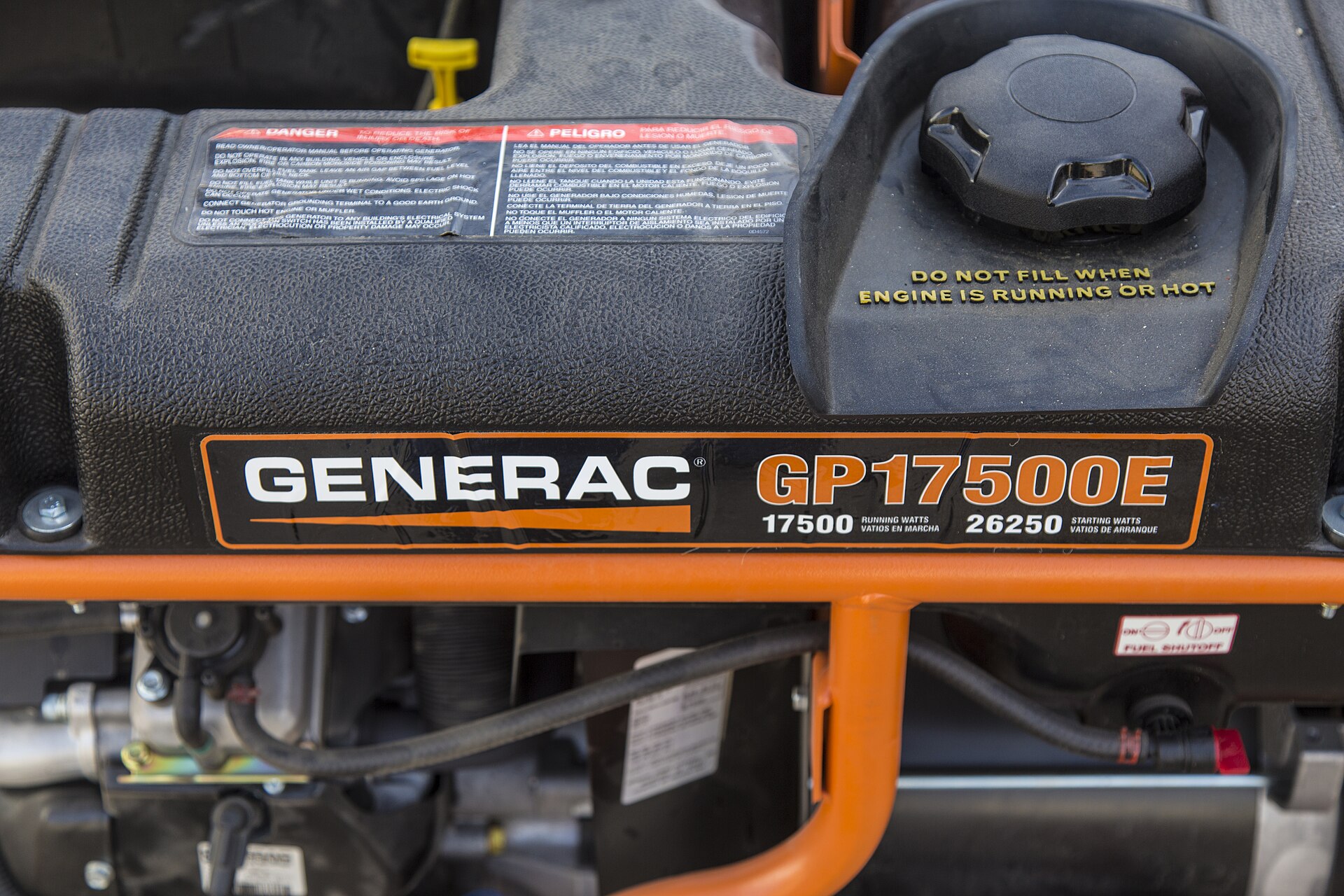
Plan the placement before an outage
An October 9 Consumer Product Safety Commission storm warning highlights a household decision that can become dangerous when power fails: where to run a portable generator. The agency says it belongs outdoors, at least 20 feet from homes and buildings, with exhaust directed away from doors, windows and vents.
The Centers for Disease Control and Prevention expresses the placement rule in terms of openings: more than 20 feet from windows, doors and vents. Read together, the guidance means checking both the building and its openings, rather than assuming that moving the machine just outside a doorway is sufficient.
An open garage remains the wrong location
Both agencies warn against using a generator inside a home or garage even with doors or windows open. Carbon monoxide has no smell or color; ordinary sensory checks cannot establish that the air is safe. A generator’s carbon-monoxide shutoff feature is additional protection, not permission to use it indoors.
Before the next outage, identify an outdoor operating position that meets the distance guidance and follow the manufacturer’s electrical and wet-weather instructions. Also check that household carbon-monoxide alarms have working battery power or battery backup. CPSC advises alarms on every level and outside sleeping areas, with smoke alarms inside bedrooms.
Know what requires an immediate response
CDC lists headache, dizziness, weakness, upset stomach, vomiting, chest pain and confusion among common poisoning symptoms. People who are asleep can be overcome before recognizing symptoms. CPSC’s instruction when an alarm sounds is to get outside immediately and then call 911; do not remain inside to investigate the source.
The October warning was issued for Hurricane Isaias. This report uses it to explain portable-generator precautions relevant to outages elsewhere; it does not imply a hurricane threat to Bakersfield, describe current storm damage or establish an outage forecast. The practical preparation is a safe placement plan and functioning alarms before emergency power becomes necessary.
Sources and further reading
CPSC: October 9, 2026 post-storm safety warning ↗
CDC: Carbon monoxide poisoning basics, updated January 12, 2026 ↗