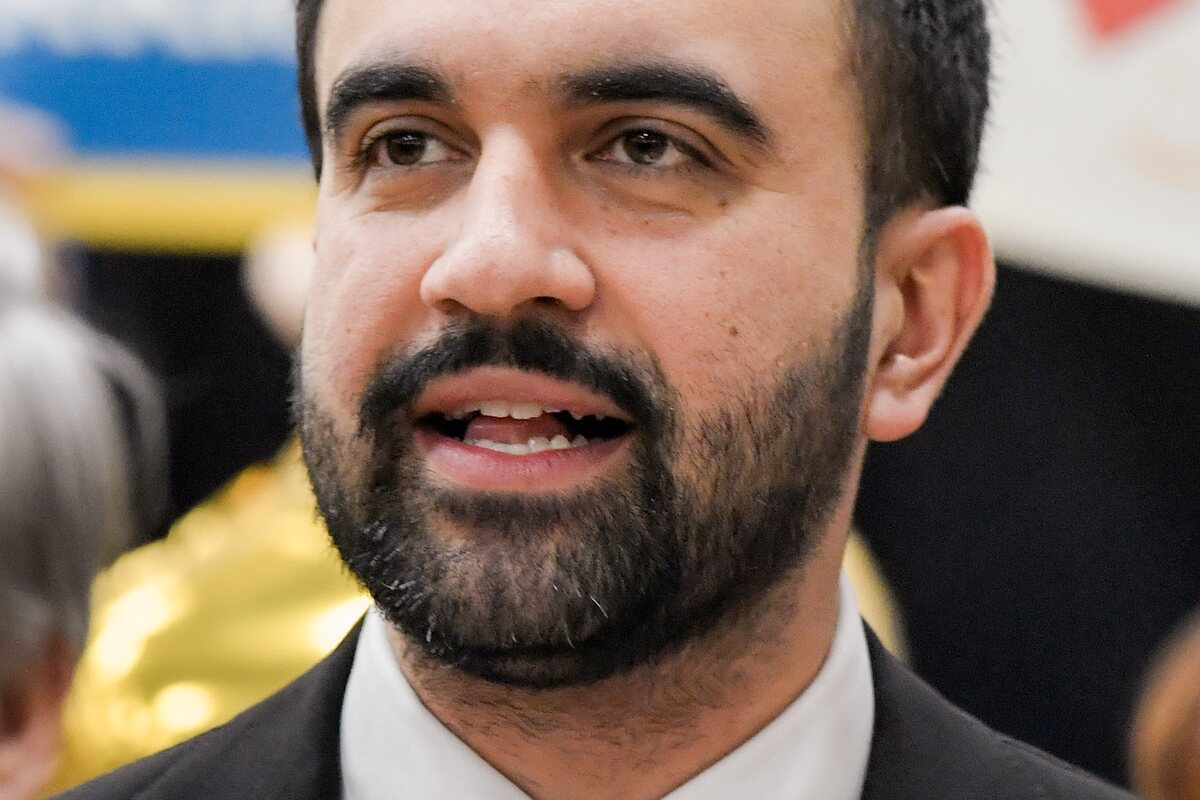
A politician trying to govern on his promises
At a time when Americans have grown accustomed to politicians making promises during campaigns and quietly abandoning them after taking office, New York City Mayor Zohran Mamdani is attempting something increasingly unusual: governing on the agenda that voters elected him to pursue.
Mamdani campaigned on an ambitious affordability platform centered on lowering everyday costs, protecting tenants, expanding child care and using city government to improve the lives of working people. Since taking office in January, he has moved several of those commitments forward—and has shown that campaign promises do not always have to disappear after Election Day.
His administration helped advance a historic investment in child care, including an expansion of 3-K and full-day, year-round care for some 2-year-olds. New York's Rent Guidelines Board delivered a freeze for many rent-stabilized tenants, fulfilling one of the most recognizable promises from Mamdani's campaign. His administration has also advanced plans for city-supported grocery stores intended to offer essential food at lower prices.
These programs are not merely political talking points. They address the expenses that determine whether working families can remain in their communities: rent, groceries, transportation and child care.
Government measured by what it gets done
Mamdani has also demonstrated a willingness to focus on the less glamorous responsibilities of government. His administration reported filling approximately 100,000 potholes during its first 100 days. It has continued promoting practical improvements to parks, streets and neighborhood services across the five boroughs.
Individually, repairing a basketball hoop, water fountain or damaged road may not generate a national headline. Collectively, however, those actions demonstrate what effective local government should look like: identifying problems people encounter every day and doing something tangible about them.
That approach is badly needed across America. For decades, many politicians have asked voters to accept that meaningful change is either unrealistic or unaffordable. Yet ordinary Americans continue watching governments provide tax advantages and special access to powerful corporations while telling working families that affordable housing, child care and transportation are beyond reach.
Mamdani is challenging that assumption. His governing philosophy begins with a straightforward question: What if public resources were directed toward making everyday life more affordable?
Support must still include accountability
That does not mean his record is flawless or that every promise has been fulfilled. Free city buses have not become a reality, and the proposed grocery-store network will take years to open. New York continues to face an enormous housing shortage, serious budget constraints and legitimate questions about how Mamdani's most expensive proposals will be financed.
Accountability requires acknowledging those unfinished commitments. Supporting a politician should never mean abandoning scrutiny.
Nevertheless, there is an important distinction between encountering obstacles while actively pursuing an agenda and never seriously attempting to deliver it. Mamdani has shown that he is willing to use political power on behalf of the people who elected him, even when that means confronting entrenched interests and accepting criticism.
His leadership also carries a larger national message. Mamdani did not win by presenting voters with vague slogans or carefully avoiding controversial positions. He offered a clear vision, explained who it was designed to help and then began trying to implement it.
The kind of leadership America needs more of
Voters are tired of politics that treats them as an audience rather than participants. They are tired of candidates appearing in working-class neighborhoods during election season, only to become inaccessible once the votes are counted. They want leaders who remember the grocery bills, rent increases and child-care costs discussed on the campaign trail.
Mamdani's early tenure suggests that progressive government can be practical rather than symbolic. It can mean repairing playgrounds, expanding child care, protecting renters and lowering the cost of food. It can mean measuring success not by television appearances or social-media arguments, but by whether people's lives become more manageable.
The mayor still has much to prove. His administration will ultimately be judged by whether its programs work, remain financially sustainable and reach the New Yorkers who need them most.
But in an era defined by broken promises and declining trust, Zohran Mamdani is offering something worth watching: a politician attempting to govern with the same urgency and purpose with which he campaigned. That alone should not place him beyond criticism. But it may make him exactly the kind of politician America needs more of.
Sources and further reading
NYC Mayor's Office: First 100 Days ↗
Vital City: What Has Mamdani Done So Far? ↗
PBS NewsHour: Mamdani's campaign promises and the challenge of delivering them ↗