A new tariff is under consideration
The Trump administration is considering a new tariff of approximately 7.5% on Chinese imports as part of its response to what U.S. officials describe as industrial overcapacity and unfairly priced exports, according to reporting published August 24 by the Associated Press and Reuters.
The proposal remains under development. AP cited people familiar with the discussions, while Reuters said it had not independently verified the underlying report. Neither account identified a final presidential proclamation, a complete product list or an effective date.
That means the careful verb is considers. Describing the duty as already imposed would move beyond the public record and could mislead businesses making purchasing or pricing decisions.
Read the source: Associated Press: Administration weighs a new China tariff ↗
The legal route matters after the Supreme Court ruling
The administration is searching for a durable route after the Supreme Court rejected broad tariffs imposed under the International Emergency Economic Powers Act in February. The ruling did not eliminate every tariff already on Chinese goods and did not prevent the government from using other trade statutes.
The U.S. trade representative said after that decision that existing Section 301 tariffs on China remained in place and that accelerated investigations could lead to additional duties if statutory findings supported action. Section 301 generally requires an investigation and findings about practices burdening U.S. commerce.
A new 7.5% duty could therefore rest on a different legal foundation from the global tariffs the court rejected. Whether it survives review would depend on the authority cited, the administrative record and compliance with required procedures.
Read the source: Reuters: U.S. eyes a 7.5% tariff tied to Chinese overcapacity ↗
Why the broader context matters
The political stakes surrounding the administration's consideration of a new 7.5 percent tariff on Chinese goods extend beyond the immediate dispute because government decisions can change who exercises authority, who receives reliable information and who ultimately answers to the public. Scrutiny of the underlying documents is therefore more useful than treating partisan reactions as proof that either side has already prevailed.
Federal agencies, elected officials and judges have different responsibilities, and those responsibilities should not be collapsed into a single narrative about the administration. Readers should distinguish an agency action from a judicial order, a funding commitment from a completed payment, and a reported allegation from a finding established through an official proceeding.
For American consumers, importers, manufacturers, farmers and workers exposed to changes in U.S.-China trade, the practical consequence depends on what officials actually implement rather than what advocates, critics or social-media accounts predict. That distinction matters particularly when a dispute remains active and the available record could change through an appeal, a formal announcement, congressional oversight or subsequent reporting.
Read the source: USTR: Statement on the Supreme Court tariff decision and Section 301 ↗
Trade diplomacy and household costs
The reported plan is designed to address Chinese production without ending a one-year trade truce or derailing a planned September meeting between Trump and Chinese President Xi Jinping. That is an administration objective, not a guarantee of Beijing's response.
Tariffs are collected from U.S. importers at the border. Importers may absorb part of the cost, seek lower supplier prices or pass some of it to buyers. The eventual effect varies by product, competition and exchange rates, so a single national price estimate would be premature without the final coverage list.
China disputes the overcapacity accusation and has urged negotiation. The next authoritative documents should show whether the administration moves from investigation and internal discussion to an enforceable customs instruction.
The strongest available account comes from Associated Press reporting, Reuters reporting and the U.S. trade representative's description of available Section 301 tools, which provides the clearest basis for checking the underlying facts against claims circulating elsewhere. Independent reporting and official guidance serve different purposes: one can document a developing dispute, while the other helps establish the governing requirements, current procedures and questions that still need an answer.
There are important limits to what can be established now. The rate and legal mechanism were still being finalized, the White House had not issued a completed tariff order, and the precise product coverage was not publicly settled. Treating an unresolved question as settled would give readers a certainty the available evidence does not support. New statements, updated documents or additional reporting could clarify the situation, but none should be presumed before they appear.
The next meaningful development to watch is a formal White House or USTR action identifying the legal authority, covered products, effective date and any exclusions. Until then, people directly affected should rely on the institution responsible for the decision or service, check the dates attached to public guidance and be cautious about summaries that omit the legal, financial or local context.
Another useful distinction is the difference between an announcement and an outcome. Reporting on the administration's consideration of a new 7.5 percent tariff on Chinese goods can establish what has been proposed, ordered, alleged or scheduled, but subsequent implementation may depend on separate decisions by Associated Press reporting, Reuters reporting and the U.S. trade representative's description of available Section 301 tools. That is why readers should check whether an update describes a completed action, an ongoing process or a statement of intent.
People following this issue should also consider whom the information is meant to help. For American consumers, importers, manufacturers, farmers and workers exposed to changes in U.S.-China trade, a clear explanation of dates, limitations and responsible institutions is more valuable than dramatic language unsupported by records. Responsible coverage should make those boundaries visible instead of presenting assumptions, online speculation or preliminary numbers as established conclusions.
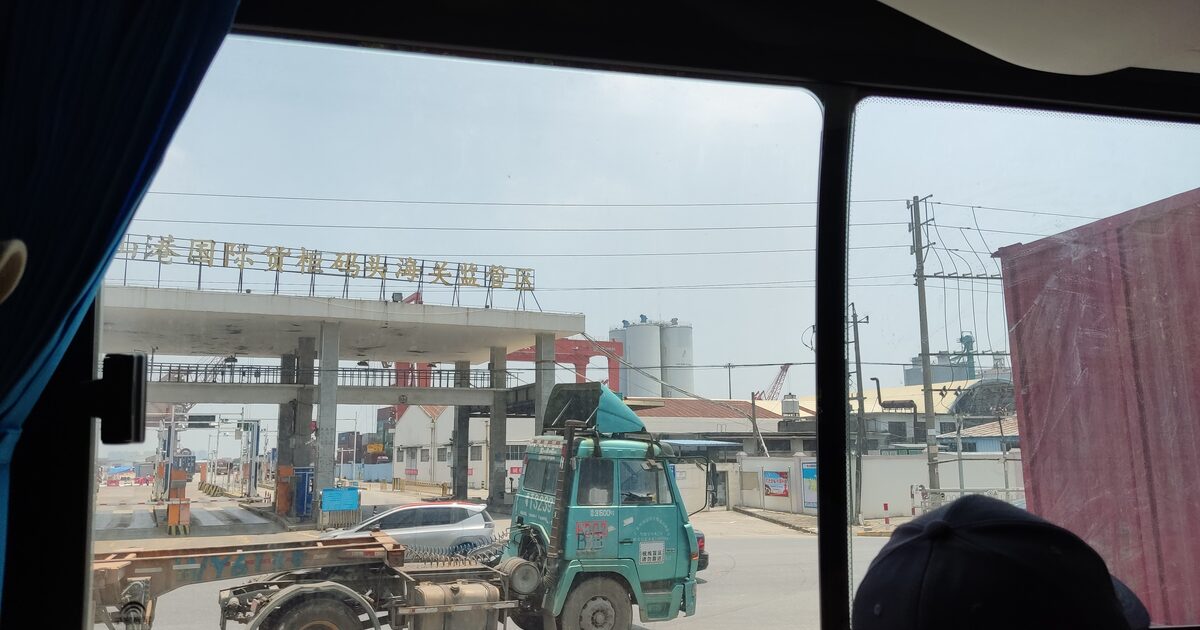
The featured photograph is an authentic, credited documentary image selected for its relevance to the subject. It should be understood as visual context, not evidence that the photographer witnessed the specific announcement, court proceeding, community event or interaction described in this article unless the accompanying caption explicitly says so.
Sources and further reading
Associated Press: Administration weighs a new China tariff ↗
Reuters: U.S. eyes a 7.5% tariff tied to Chinese overcapacity ↗
USTR: Statement on the Supreme Court tariff decision and Section 301 ↗
