UPDATE: California says it will sue again
SACRAMENTO — Governor Gavin Newsom announced August 24 that California intends to bring another legal challenge against the Trump administration’s proposed mail-voting restrictions after the Supreme Court lifted one injunction covering California and other Democratic-led states.
The governor announced an intent to sue, not the filing of a completed new lawsuit. California officials say they will seek to prevent the federal rules from disrupting the state’s vote-by-mail system before the November 2026 midterm elections.
A separate nationwide injunction remains in place, so the Supreme Court’s procedural order does not by itself put all of the administration’s restrictions into effect.
California lawmakers propose new ballot protections
Newsom also highlighted two bills moving through the California Legislature. Assembly Bill 282 would create felony penalties for unlawfully seizing ballots, election records or certified voting equipment before election results are certified.
Senate Bill 259 would create felony penalties for a person in authority who directs someone under their supervision to interfere with the delivery or return of a vote-by-mail ballot. It would also add a misdemeanor penalty for other interference with mail-ballot delivery.
The bills remain proposals and are not yet law. Their final language could change as they move through the Legislature.
Court pauses one injunction
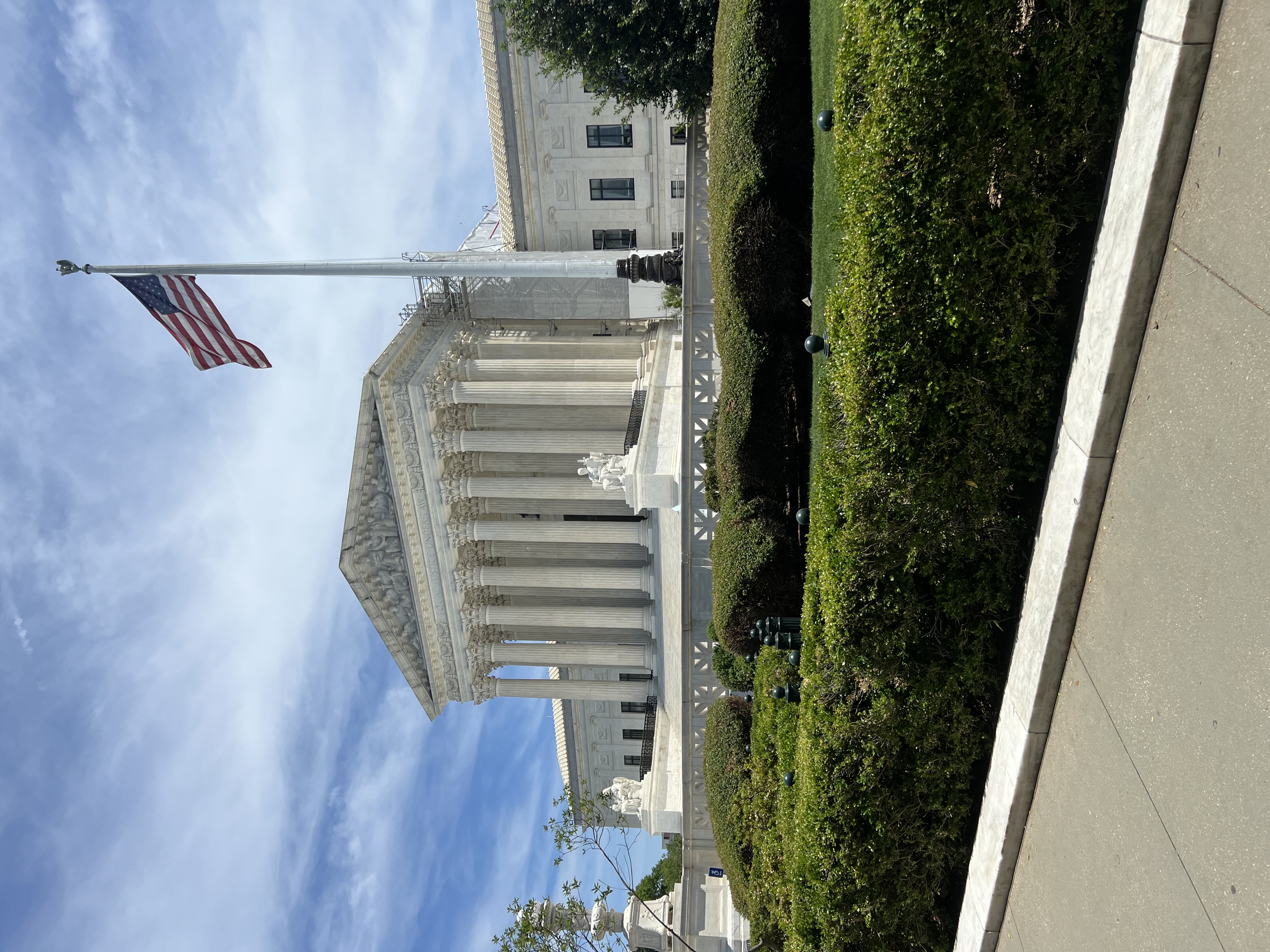
WASHINGTON — The U.S. Supreme Court on Monday granted the Trump administration’s emergency request to pause a lower-court injunction that had blocked parts of President Donald Trump’s mail-voting executive order in 23 mostly Democratic-led states and Washington, D.C.
The Court’s three liberal justices dissented. The order removes one legal barrier to the administration’s plan but does not settle the underlying constitutional dispute.
The affected states may return to court if implementation of the policy produces new legal injuries or disrupts their administration of the November midterm elections.
A separate nationwide block remains
The ruling does not mean the restrictions can immediately take full effect. A separate nationwide injunction issued August 11 remains in place and continues to block the U.S. Postal Service from enforcing the tighter mail-ballot rules.
The Justice Department asked the justices to clarify that their action should also apply to that second injunction. The Court did not do so Monday, according to Reuters.
For voters, the practical rules have therefore not changed nationwide simply because of Monday’s order. Additional court action is expected before the November election.
What Trump’s order would require
Trump’s March executive order directs federal agencies to compile and provide states with lists of citizens considered eligible to vote. It also directs the Postal Service to deliver mail ballots only to voters appearing on approved state lists.
The administration says the lists and accompanying ballot-tracking requirements would improve election security. The states and voting-rights groups challenging the policy argue that it intrudes on state authority, could contain inaccurate information and risks preventing eligible voters from receiving ballots.
U.S. District Judge Indira Talwani ruled in June that the president lacked authority to order changes in how states administer federal elections. The Justice Department argued that the states sued too early because the agencies had not yet taken concrete action that harmed them.
Why the decision matters before the midterms
Mail voting is widely used across the country, and the November 2026 midterms will determine control of Congress. Any late change involving voter lists, ballot delivery or state election procedures could affect millions of voters and create significant administrative pressure.
The Supreme Court’s action was procedural rather than a final ruling that the president’s policy is constitutional. Courts must still resolve whether the executive branch can impose these requirements and whether the Postal Service may refuse election mail that does not comply.
What’s the Scoop With Broach will update this report if the nationwide injunction is lifted or another court ruling changes how mail ballots will be handled.
Sources and further reading
Reuters: Supreme Court lifts one judicial hurdle to Trump’s mail-ballot restrictions ↗
Democracy Docket: Court lifts injunction covering Democratic-led states ↗
Governor of California: Planned lawsuit and proposed election-protection laws ↗