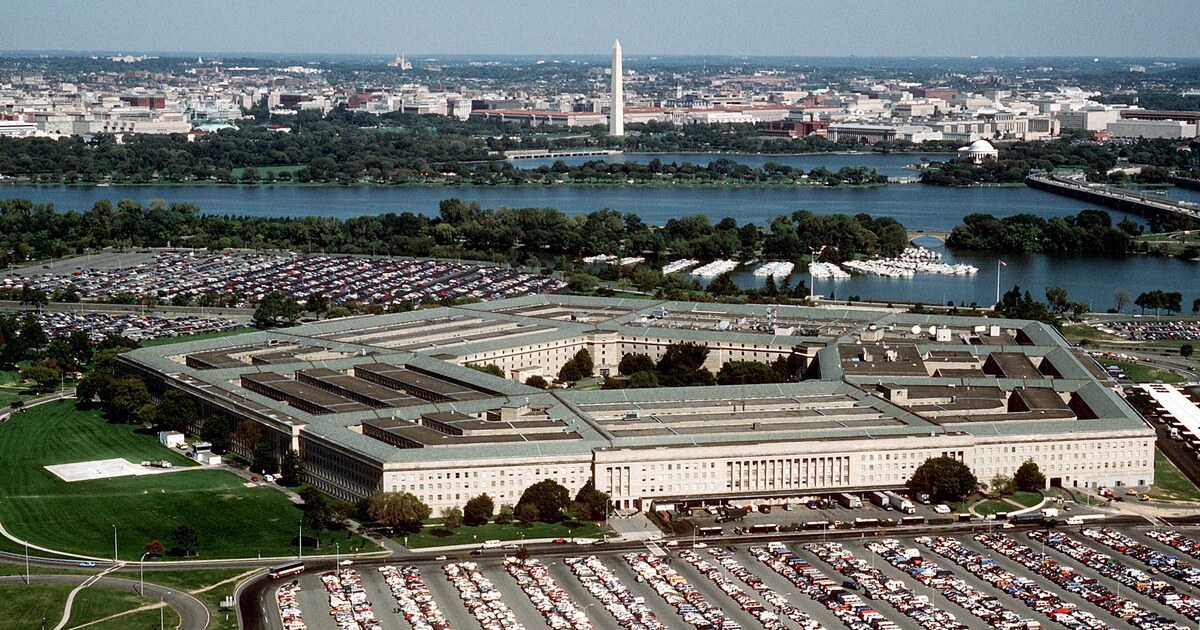
Pentagon review moves toward concrete options
WASHINGTON — A Pentagon review is preparing at least four options concerning the future deployment of approximately 80,000 American troops stationed across Europe, according to an internal document obtained by Reuters.
The options are expected to reach Defense Secretary Pete Hegseth by November 6, ahead of the review’s formal December deadline. The review reaches beyond troop numbers and evaluates military bases, strategic infrastructure, intelligence capabilities and operations involving cyber and space.
The document provides a timeline for recommendations, not a final decision. The Pentagon has not announced that American forces will be withdrawn from Europe or identified the number of troops that could be affected under any option.
Update: Pentagon identifies the review’s objective
BRUSSELS — Pentagon policy chief Elbridge Colby told NATO ambassadors on August 27 that the review of American forces in Europe is intended to help the alliance transition toward a European-led conventional defense of the continent, Reuters reported.
Colby said the assessment reaches beyond individual troop locations and bases and is examining America’s broader strategic posture. He described consultation with allies as part of building a durable defense framework in which European governments assume greater leadership while the United States remains engaged in the alliance.
The explanation is the clearest official account yet of what the Pentagon says the review is designed to accomplish. It does not amount to an approved withdrawal: no troop reduction, base closure or final force-posture decision has been announced.
Access, spending and support are under examination
The review is evaluating whether allies provide dependable access to military bases and airspace, according to Reuters. It also considers defense spending and cooperation with American security and defense-industry priorities.
Those questions have become increasingly important as the Trump administration pushes European countries to shoulder more responsibility for regional defense. The administration has also criticized allies it believes have not provided sufficient support for American military operations connected to the conflict with Iran.
Changes to American deployments could range from adjustments among existing installations to broader force reductions. Until the Pentagon releases its recommendations, descriptions of specific base closures or troop withdrawals remain speculative.
Why the review matters
The United States military presence in Europe is intended to deter attacks on NATO territory, support rapid deployment and reassure allies that Washington will honor the alliance’s collective-defense commitments. A substantial reduction could require European governments to replace capabilities that cannot be recreated quickly.
Supporters of reducing the American footprint argue that wealthy European countries should assume more of the cost and operational burden. Critics warn that a poorly coordinated withdrawal could create security gaps, embolden Russia and weaken confidence in the alliance.
The review may also influence congressional debate. Lawmakers from both parties have historically scrutinized major changes to overseas force posture, particularly when those decisions affect long-standing alliances and military readiness.
What happens next
Senior military and policy officials are expected to hold key discussions in September before the options are delivered to Hegseth. The defense secretary and the president could accept one option, combine elements from several proposals or direct the Pentagon to conduct additional analysis.
Any eventual change would require operational planning and coordination with host countries. The timing, affected bases and military units would determine whether the result is a limited realignment or a fundamental shift in America’s commitment to European defense.
What’s the Scoop With Broach will update this report when the Pentagon announces a recommendation, the administration selects an option or NATO governments disclose confirmed changes to the American force presence.
Sources and further reading
Reuters: Pentagon policy chief explains European-led defense objective ↗
Reuters exclusive: Pentagon review preparing troop options for Hegseth ↗
Pentagon: Speeches and official remarks ↗