A private channel opens before the midterms
House Democratic leader Hakeem Jeffries and President Donald Trump’s son-in-law and outside adviser Jared Kushner recently met privately in New York, the Associated Press reported Sunday. The conversation touched on housing, immigration and the high cost of living as both parties prepare for November’s congressional elections.
Kushner suggested a follow-up meeting between Jeffries and White House chief of staff Susie Wiles, according to the report. That outreach is politically significant because Jeffries would be positioned to become House speaker if Democrats win the chamber.
Jeffries did not announce an agreement. In a statement Sunday, he said the administration would need to abandon what he called a my-way-or-the-highway approach and asked whether Republicans would work with Democrats.
Read the source: Associated Press: Kushner meets Jeffries with House control at stake ↗
Why House control changes the calculation
Republicans hold a narrow House majority. A Democratic takeover would place committee gavels, investigative authority and the legislative calendar in opposition hands, sharply changing the environment in which the White House operates.
The administration has often relied on Republican alignment in Congress and broad claims of executive power. Divided government would increase the importance of negotiations over spending, housing, immigration and other legislation that cannot move through executive action alone.
Kushner and Jeffries have worked across party lines before, including on criminal-justice legislation during Trump’s first term. Their history explains why a contact channel is plausible without proving that the two sides now share a political strategy.
Read the source: House Democratic Leader: Official office and statements ↗
Why the broader context matters
The political stakes surrounding the private meeting between Jared Kushner and Hakeem Jeffries extend beyond the immediate dispute because government decisions can change who exercises authority, who receives reliable information and who ultimately answers to the public. Scrutiny of the underlying documents is therefore more useful than treating partisan reactions as proof that either side has already prevailed.
Federal agencies, elected officials and judges have different responsibilities, and those responsibilities should not be collapsed into a single narrative about the administration. Readers should distinguish an agency action from a judicial order, a funding commitment from a completed payment, and a reported allegation from a finding established through an official proceeding.
For voters, members of Congress and Americans whose policies depend on divided-government negotiations, the practical consequence depends on what officials actually implement rather than what advocates, critics or social-media accounts predict. That distinction matters particularly when a dispute remains active and the available record could change through an appeal, a formal announcement, congressional oversight or subsequent reporting.
Read the source: U.S. House: Current party breakdown and membership ↗
What is known and what remains uncertain
Speaker Mike Johnson played down Kushner’s day-to-day role when asked about the meeting. The White House and a Kushner representative did not provide detailed public accounts in the AP report.
The meeting is best understood as contingency planning, not evidence that Democrats have already won the House or that Jeffries has agreed to help carry out Trump’s agenda. Election results and any later negotiations will determine its practical importance.
The strongest available account comes from Associated Press reporting and Jeffries’s public statement, which provides the clearest basis for checking the underlying facts against claims circulating elsewhere. Independent reporting and official guidance serve different purposes: one can document a developing dispute, while the other helps establish the governing requirements, current procedures and questions that still need an answer.
There are important limits to what can be established now. The meeting does not establish a deal, a coalition or a concession by either party, and Kushner does not hold a formal day-to-day White House position. Treating an unresolved question as settled would give readers a certainty the available evidence does not support. New statements, updated documents or additional reporting could clarify the situation, but none should be presumed before they appear.
The next meaningful development to watch is whether Jeffries meets White House chief of staff Susie Wiles and whether either side identifies concrete negotiations. Until then, people directly affected should rely on the institution responsible for the decision or service, check the dates attached to public guidance and be cautious about summaries that omit the legal, financial or local context.
Another useful distinction is the difference between an announcement and an outcome. Reporting on the private meeting between Jared Kushner and Hakeem Jeffries can establish what has been proposed, ordered, alleged or scheduled, but subsequent implementation may depend on separate decisions by Associated Press reporting and Jeffries’s public statement. That is why readers should check whether an update describes a completed action, an ongoing process or a statement of intent.
People following this issue should also consider whom the information is meant to help. For voters, members of Congress and Americans whose policies depend on divided-government negotiations, a clear explanation of dates, limitations and responsible institutions is more valuable than dramatic language unsupported by records. Responsible coverage should make those boundaries visible instead of presenting assumptions, online speculation or preliminary numbers as established conclusions.
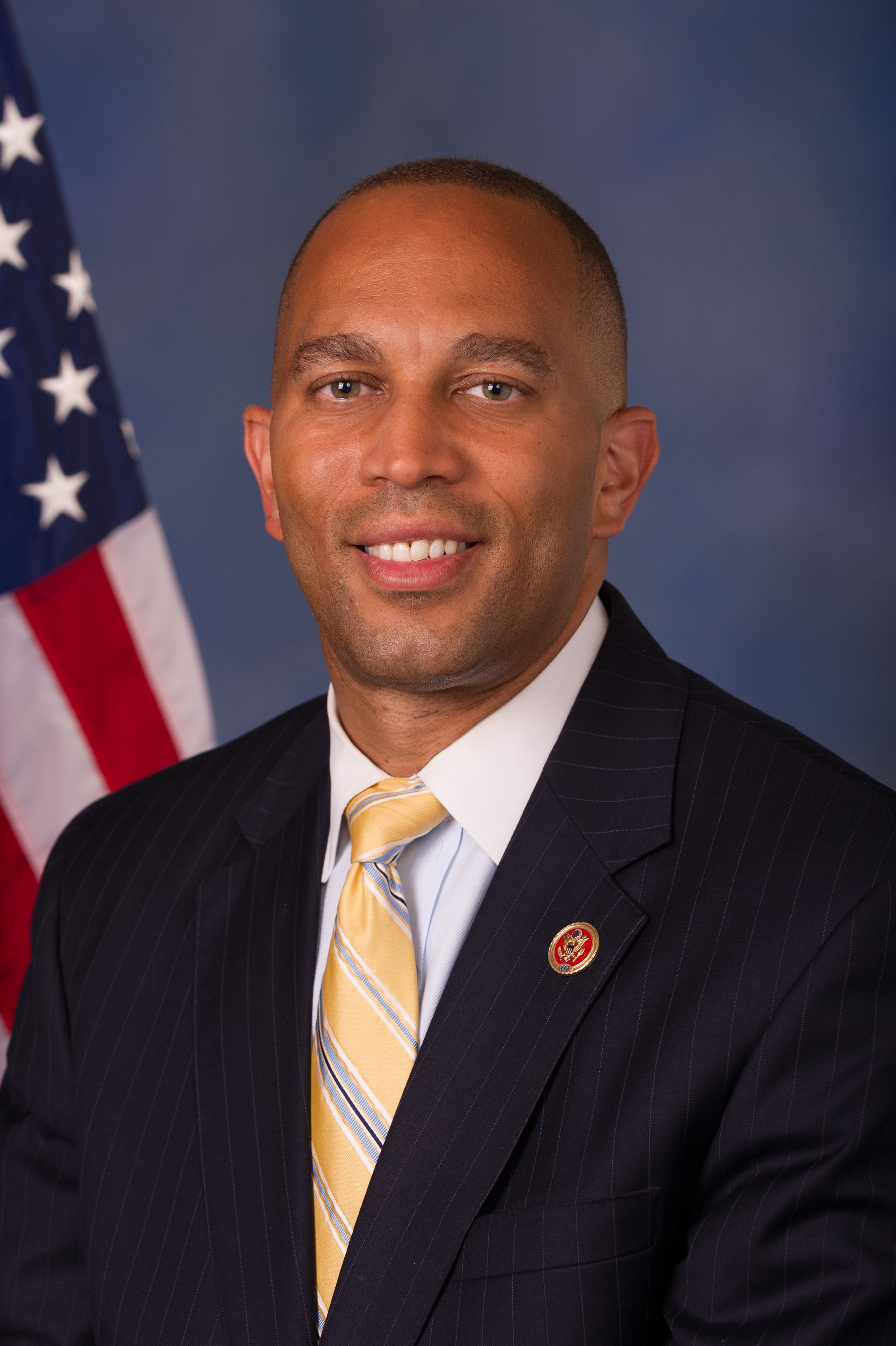
The featured photograph is an authentic, credited documentary image selected for its relevance to the subject. It should be understood as visual context, not evidence that the photographer witnessed the specific announcement, court proceeding, community event or interaction described in this article unless the accompanying caption explicitly says so.
A careful timeline also matters. Developments concerning the private meeting between Jared Kushner and Hakeem Jeffries should be evaluated according to when a decision was made, when it was reported and whether anything changed afterward. Older background can remain useful, but it should never be presented as breaking news, and a future event should not be described as though it already occurred.
For voters, members of Congress and Americans whose policies depend on divided-government negotiations, the most dependable response is to consult the original records before making assumptions or important decisions. Associated Press reporting and Jeffries’s public statement helps establish what can presently be verified, while additional official notices may clarify deadlines, eligibility, procedural developments or other details that a brief social-media post can easily overlook.
Sources and further reading
Associated Press: Kushner meets Jeffries with House control at stake ↗
