A divided appeals court rejected the government's reading
RICHMOND, Virginia — A divided federal appeals court ruled Thursday that the Trump administration cannot use its expanded interpretation of immigration law to hold broad categories of noncitizens arrested inside the United States without an opportunity to seek release on bond, according to Associated Press reporting published September 10.
The U.S. Court of Appeals for the Fourth Circuit ruled 2-1 against the administration. Judges Nicole Berner and Barbara Keenan formed the majority; Judge Allison Rushing dissented.
The decision addresses eligibility to ask for a bond hearing while an immigration case proceeds. It does not automatically release every detained person, grant lawful immigration status, cancel removal proceedings or decide that every person who receives a hearing must be released.
The dispute turns on who counts as an applicant for admission
For decades, most noncitizens without disqualifying criminal histories who were arrested after living inside the country could ask an immigration judge to consider bond. Mandatory detention was generally applied to people arriving at the border and to other categories Congress specifically made ineligible for bond.
In July 2025, immigration officials adopted a broader position: people who entered without formal admission could be treated as applicants for admission even after years of residence in the United States. Under that interpretation, they could be detained for the duration of removal proceedings without a bond hearing.
The administration argues that Congress authorized that result in the 1996 immigration law. The Fourth Circuit majority concluded that the statutory language did not clearly establish mandatory, no-bond detention on the sweeping scale the government claimed.
The ruling deepens a split that only the Supreme Court can settle nationally
The Fourth Circuit became the ninth federal appeals court to reject the expanded policy, while two other circuits have upheld it, the Associated Press reported. That split means access to bond proceedings can depend in part on where a person is detained and which federal appellate precedent controls.
The Fourth Circuit covers Maryland, North Carolina, South Carolina, Virginia and West Virginia. Thursday's decision is not a new nationwide release order and should not be described as ending immigration detention across the United States.
Reuters reported in June that the administration had already asked the U.S. Supreme Court to resolve the same statutory dispute after another appellate loss. The justices have not issued a final ruling on the merits of that request.
The majority invoked historical mass detention
Writing for the majority, Berner said the government's theory would implicate the due-process rights of millions of noncitizens, including people who have lived and worked in American communities for years.
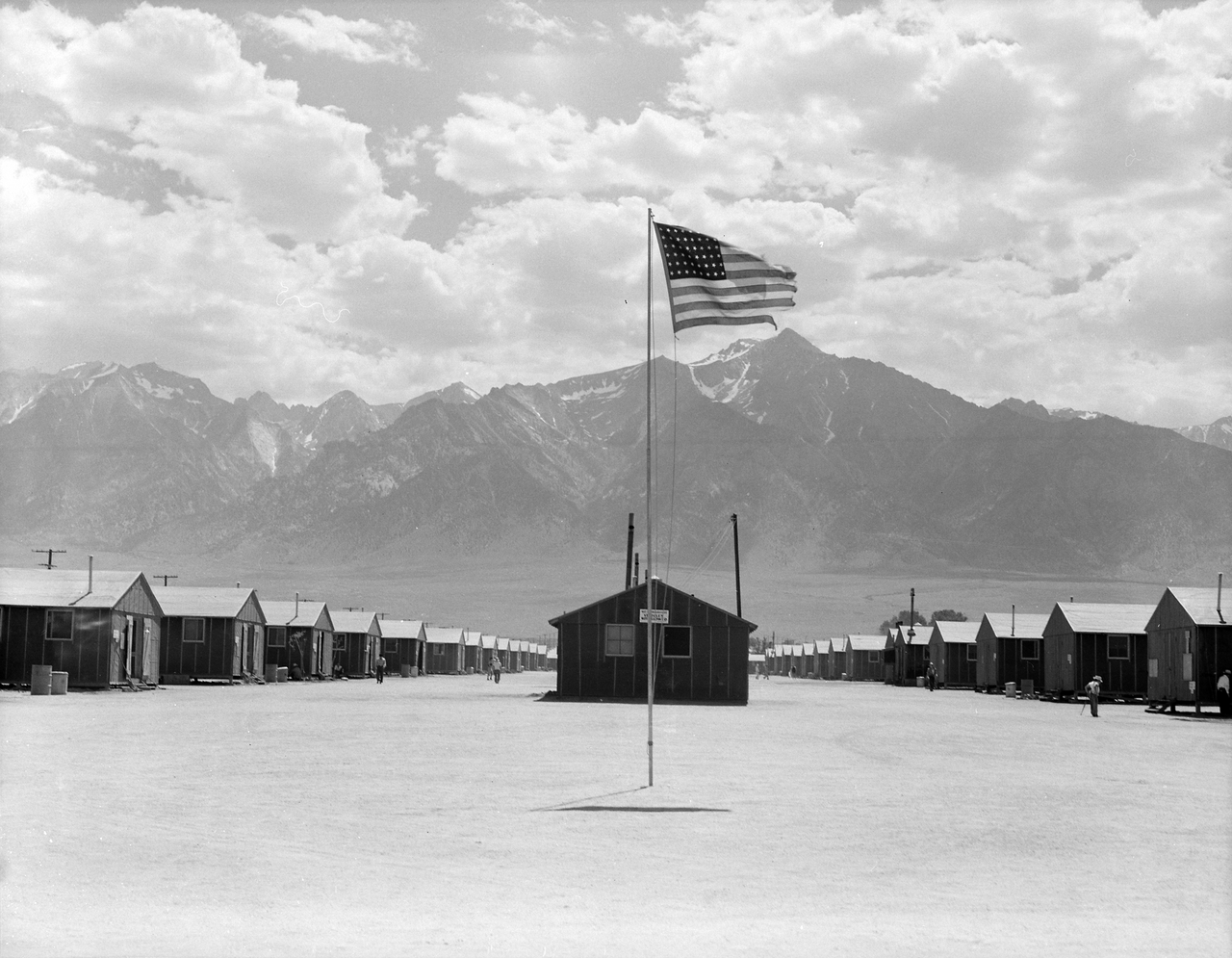
The opinion invoked the incarceration of Japanese Americans during World War II and the mass detention of Chinese immigrants in the late nineteenth century as warnings about sweeping detention without individualized process. The court did not say present-day immigration custody is legally identical to those historical programs; it used them to explain the constitutional stakes it saw in the government's interpretation.
Rushing dissented, meaning the panel was not unanimous. The administration can seek rehearing and continue pursuing Supreme Court review, so Thursday's ruling may not be the final word.
DHS says it remains confident in mandatory detention
The Department of Homeland Security told the Associated Press that it remained confident in its legal position and said President Trump and DHS Secretary Markwayne Mullin were enforcing the statute as written. That is the administration's legal argument, not a holding accepted by the Fourth Circuit majority.
The ACLU's Michael K.T. Tan, lead counsel in the Fourth Circuit litigation, pointed to the government's repeated losses in federal courts. Advocacy statements likewise do not substitute for the court's reasoning or determine how the Supreme Court may rule.
Because the result affects procedure rather than the ultimate immigration merits, a bond hearing would still allow the government to argue that an individual poses a flight risk or danger and should remain detained. The ruling requires an opportunity for individualized consideration where the governing law permits it.
What is confirmed — and what remains unresolved
Confirmed: a Fourth Circuit panel rejected the administration's expanded mandatory-detention theory in a 2-1 decision; the ruling adds to an acknowledged conflict among federal appellate courts; and DHS continues to defend the policy.
Unresolved: whether the full Fourth Circuit will rehear the case, whether the Supreme Court will take up this decision or a related appeal, and what nationwide rule the justices may ultimately adopt.
At publication time, the Fourth Circuit's public daily-opinion page had not yet exposed Thursday's opinion PDF. What’s the Scoop With Broach therefore is not assigning an unverified docket number or claiming details beyond the current court reporting and the established appellate record.
About the image
The accompanying image is an authentic July 3, 1942 photograph by Dorothea Lange showing barracks at the Manzanar War Relocation Authority center in California. The majority opinion invoked the wartime incarceration of Japanese Americans as historical context for its due-process warning.
The image does not depict present-day immigration detention, the parties, ICE activity or the Fourth Circuit. The National Archives identifies it as a federal War Relocation Authority record, and Wikimedia Commons marks it as public domain in the United States.
Sources and further reading
Associated Press: Fourth Circuit rejects expanded mandatory-detention policy ↗
Fourth Circuit: daily-opinion index ↗
Reuters: administration asks Supreme Court to endorse detention policy ↗
Reuters: Second Circuit rejects the same mandatory-detention theory ↗
Wikimedia Commons: Manzanar photograph, NARA record and public-domain status ↗