Directive tells wildlife officials to look for intentional targeting
WASHINGTON — A new U.S. Fish and Wildlife Service directive sharply narrows when the federal government will treat the incidental death of an endangered animal as an illegal 'take' under the Endangered Species Act.
The September 14 instruction from agency Director Brian Nesvik says protected wildlife generally must be the object of the action—not merely a foreseeable casualty—for the agency to treat the conduct as prohibited. The document gives examples involving a ship that strikes a whale and a tree felled while endangered bats are roosting inside it.
Under that interpretation, logging, construction, dam building or other economic activity would not automatically violate the federal take prohibition solely because officials know endangered wildlife could be killed. Deliberately hunting, shooting, trapping, capturing or otherwise targeting protected animals remains prohibited.
The change follows July's repeal of the federal harm definition
The directive implements a July rule that removed the government's longstanding regulatory definition of 'harm.' That definition had covered acts that kill or injure wildlife, including significant habitat modification that causes death or injury.
The Interior Department says the earlier definition expanded federal authority beyond the language Congress enacted. It argues that the new approach preserves the Endangered Species Act's core protections while reducing permitting costs and uncertainty for landowners, farmers, energy companies and developers.
The administration has pointed to the Supreme Court's 2024 Loper Bright decision, which ended automatic judicial deference to reasonable agency interpretations of ambiguous statutes. That ruling changed how courts review agency power; it did not itself decide the meaning of 'take' in this new directive.
Critics say foreseeable deaths should not become consequence-free
Former Fish and Wildlife Service Director Dan Ashe told the Associated Press that the interpretation creates a large loophole by relieving companies of responsibility even when wildlife deaths are predictable. Conservation organizations say they expect further litigation.
Their central legal argument points to the Supreme Court's 1995 decision in Babbitt v. Sweet Home Chapter of Communities for a Great Oregon. The court upheld a broader understanding of prohibited harm that included habitat modification actually killing or injuring protected wildlife.
Nesvik's directive relies heavily on the dissenting view in that case. Whether the new guidance can survive challenges under the statutory text, the 1995 precedent and federal administrative law has not been decided by a court.
What the directive does—and does not—authorize
The document guides Fish and Wildlife Service enforcement after the July rule change. It is not a blanket permit to deliberately kill endangered animals, and it does not erase every federal, state, tribal or local wildlife protection that could apply to a project or incident.
Existing incidental-take permits and statements remain valid, according to the Interior Department. The Associated Press reports that some companies may continue seeking permits because future administrations, courts or citizen lawsuits could produce a different legal outcome.
The practical impact will depend on how field offices apply the guidance, whether projects proceed without permits they previously would have sought, and how quickly opponents obtain judicial review. No reviewed court order has yet blocked the September 14 directive.
California's condor recovery shows what federal protection can accomplish
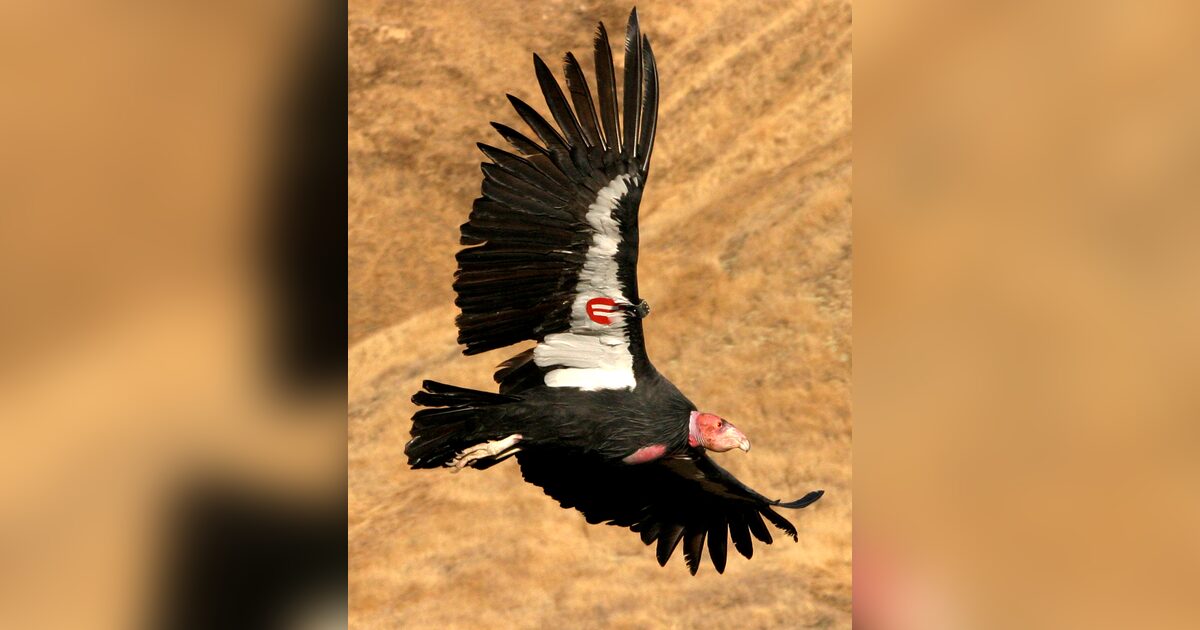
The California condor is among the species the Endangered Species Act helped pull back from the edge of extinction. The Fish and Wildlife Service says only 22 condors survived worldwide by the 1980s before intensive recovery efforts expanded the population.
The public-domain photograph accompanying this report shows a tagged California condor in flight. It does not depict an animal harmed under the new directive, a disputed project or evidence in any enforcement case.
California wildlife protections remain separate from this federal enforcement interpretation. The directive's biggest immediate effect is on how the Fish and Wildlife Service reads and applies the federal law—not on every other rule governing wildlife or land use in the state.
What is confirmed—and what remains disputed
Confirmed: the Fish and Wildlife Service issued the September 14 directive; it limits prohibited take to conduct directed against protected wildlife; Interior says intentional hunting, shooting, wounding, killing, trapping and capturing remain prohibited; and the guidance follows July's removal of the regulatory harm definition.
Disputed: whether the interpretation is consistent with the Endangered Species Act and Supreme Court precedent, how much habitat destruction or incidental mortality it will enable, and whether courts will allow it to remain in force.
What’s the Scoop With Broach will update this report if the Interior Department publishes additional implementation instructions, a lawsuit directly challenges the directive or a court changes its legal effect.
Sources and further reading
Copy of U.S. Fish and Wildlife Service's September 14 directive on the ESA take prohibition ↗
Associated Press: New directive narrows liability for incidental killing of protected wildlife ↗
U.S. Interior Department: July rule rescinding the regulatory definition of harm ↗
U.S. Fish and Wildlife Service: Endangered Species Act text ↗
The Guardian: Interior Department response and legal objections ↗
U.S. Fish and Wildlife Service: Public-domain California condor photograph and recovery context ↗