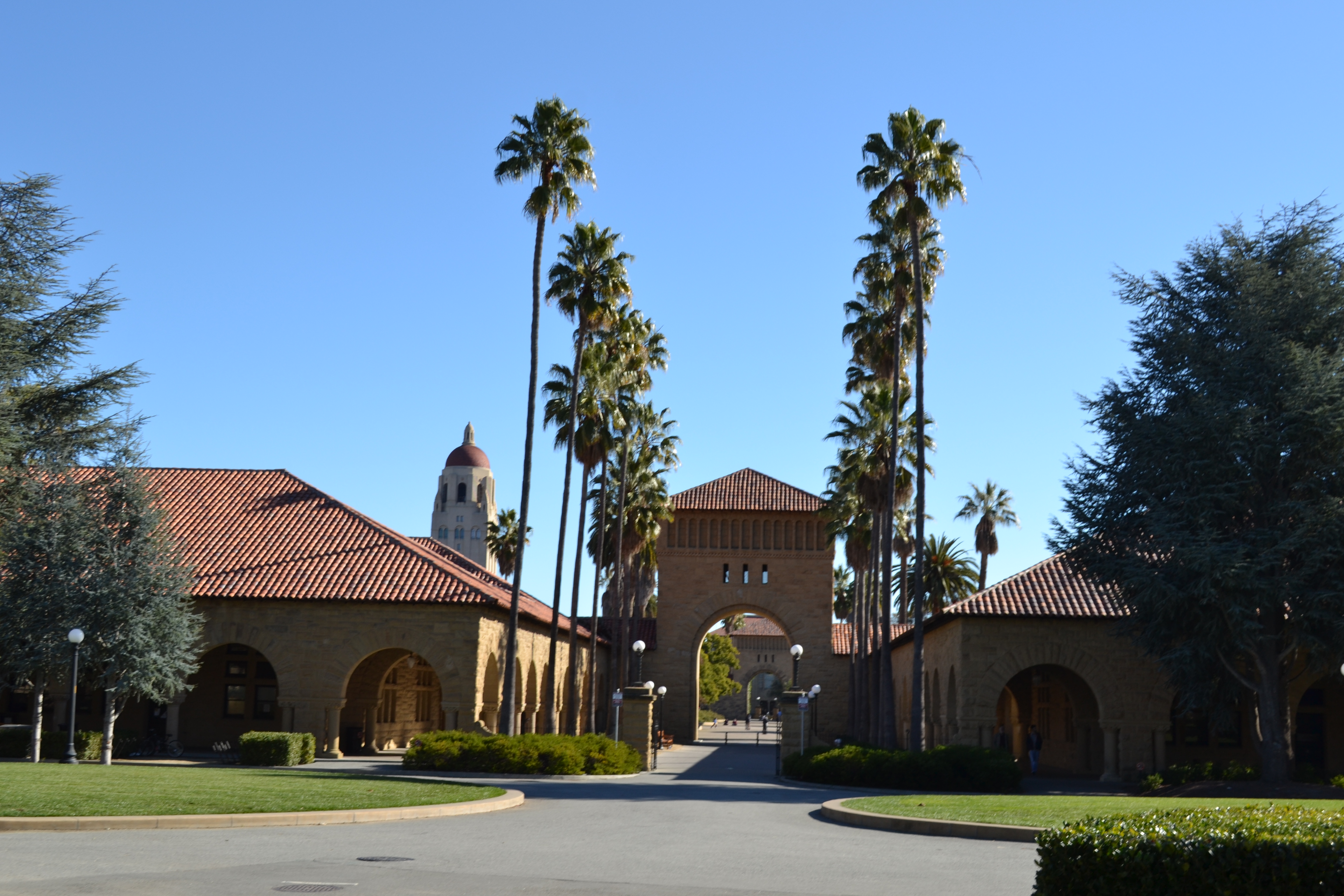
California judge issues major First Amendment ruling
SAN JOSE, Calif. — A federal judge has ruled that the Trump administration cannot constitutionally use two immigration-law powers to cancel visas or pursue deportation when the government's trigger is a lawfully present noncitizen's protected speech.
U.S. District Judge Noël Wise of the Northern District of California issued the 90-page decision Friday, August 28, in a lawsuit brought by Stanford Daily Publishing Corporation and an anonymous F-1 visa holder. The student newspaper is independent; Stanford University itself was not a plaintiff.
Wise entered a declaratory judgment that the challenged portions of the Immigration and Nationality Act violate the First Amendment, and are unconstitutionally vague under the Fifth Amendment, when enforcement is based on constitutionally protected expression.
What the court actually decided
The lawsuit challenged provisions allowing the secretary of state to deem a noncitizen deportable when the person's presence is determined to compromise a compelling U.S. foreign-policy interest, and allowing the secretary to revoke a visa at the secretary's discretion.
The ruling concluded that using those powers against protected speech singles out expression for disfavored treatment based on its content or viewpoint. It also found the challenged language and related guidance failed to give ordinary people fair notice of what expression could produce immigration consequences or meaningfully constrain official discretion.
This is an as-applied ruling tied to protected speech. It does not repeal the Immigration and Nationality Act, invalidate every visa revocation or deportation case, grant citizenship protections to every noncitizen, or prevent enforcement based on conduct that is not constitutionally protected.
Student journalists said fear changed their reporting
The Stanford Daily alleged that international students stopped covering pro-Palestinian demonstrations, declined assignments, removed published work or withheld their names because they feared visa cancellation, detention or deportation. The case was filed in August 2025 after the administration began targeting noncitizens involved in pro-Palestinian campus advocacy.
The court relied on a stipulated record and found that the threat of immigration enforcement had chilled protected speech. Wise wrote that democracy is weakened when citizens and noncitizens must censor themselves or risk government retaliation.
The decision addressed political expression; it did not shield violence, threats, vandalism, material support for terrorism or other unlawful conduct. Criticism of Israel, support for Palestinians and criticism of U.S. foreign policy are not automatically crimes or proof of support for a terrorist organization.
Declaratory judgment—not the final word
Wise granted declaratory relief but declined to enter the plaintiffs' requested permanent injunction at this stage. The decision states that only the U.S. Supreme Court could provide the broader injunctive relief requested under the deportation provision, while the court found separate injunctive relief unnecessary after declaring the challenged visa-revocation power unconstitutional as applied to protected speech.
The government can appeal to the Ninth U.S. Circuit Court of Appeals and may ask a higher court to pause or reverse the judgment. Reuters reported that the State Department and Department of Homeland Security did not immediately respond to requests for comment.
Because appeals could change the legal effect of the decision, claims that the administration's entire campus immigration policy has permanently ended are premature. The confirmed result is a district-court judgment rejecting speech-based enforcement of the challenged provisions on First and Fifth Amendment grounds.
Why the California case carries national consequences
Although the case was decided in San Jose, it confronts federal immigration powers used nationwide and reaches beyond a single campus. The ruling follows a similar 2025 decision from a federal judge in Massachusetts who found that the administration had adopted an unconstitutional policy of targeting pro-Palestinian students and faculty for immigration enforcement.
The dispute tests a basic boundary: the federal government has broad authority over immigration and foreign affairs, but that authority remains subject to constitutional limits when officials punish speech because they oppose its viewpoint.
What’s the Scoop With Broach will update this report if the administration appeals, a higher court stays the judgment or federal agencies announce changes to visa-revocation and deportation practices.
Sources and further reading
Reuters: Judge deals blow to Trump moves to deport pro-Palestinian activists ↗
San Francisco Chronicle: Judge rules in Stanford Daily's favor in First Amendment lawsuit ↗
The Stanford Daily: Background on the constitutional challenge ↗
Wikimedia Commons: Stanford University campus photograph and CC BY-SA 3.0 license ↗