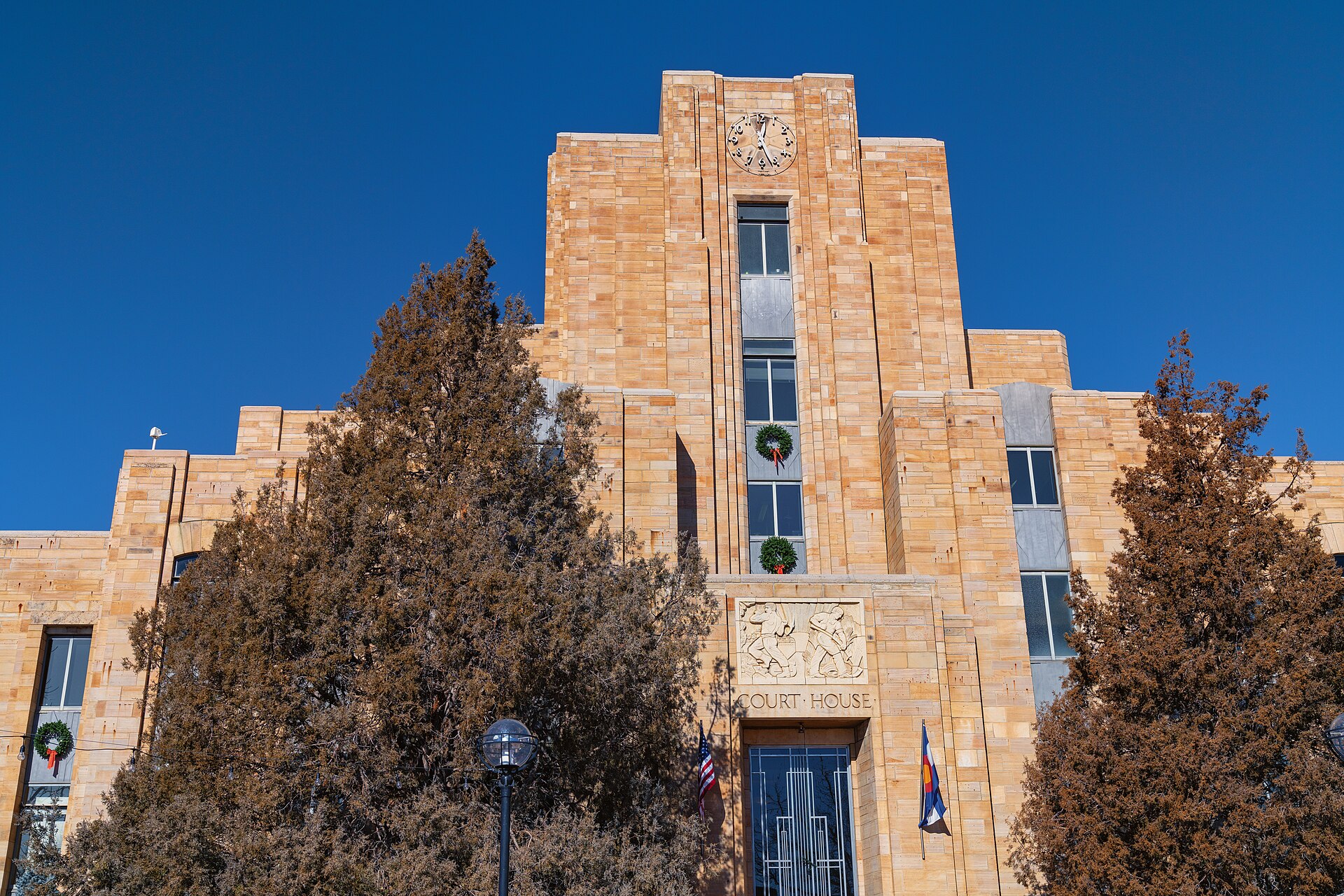
The dispute is about access to a remedy
The Supreme Court heard Suncor Energy v. County Commissioners of Boulder County on October 5, taking up a conflict over whether local governments can pursue state-law damages for alleged climate harms against fossil-fuel companies. The public docket reviewed October 12 records argument, not a decision imposing damages or ending the case.
Our comparison of the companies’, local governments’ and federal government’s briefs identifies two separate questions: whether the Supreme Court has authority to review this intermediate state-court ruling, and whether federal law blocks the underlying claims. Those questions can lead to very different outcomes.
What each side is asking
Suncor and ExxonMobil argue that Colorado law cannot govern claims arising from interstate and international greenhouse-gas emissions. Their brief invokes the Constitution’s allocation of authority and the Clean Air Act. The United States supports the companies, arguing that the lawsuit would interfere with national emissions policy and foreign affairs.
Boulder’s governments counter that their case addresses deceptive marketing and fossil-fuel production conduct rather than setting emissions limits. They also challenge the Court’s jurisdiction: the Colorado ruling allowed litigation to continue but did not establish liability. In their account, the governments still must prove their claims and overcome other defenses.
Why the procedural question matters
A jurisdictional ruling that sends the dispute back would not itself declare the companies responsible for climate damage. A ruling allowing the state-law claims to proceed would likewise leave factual proof and damages questions for later proceedings. A federal-preemption ruling could instead close the legal route being contested without a trial on those allegations.
The Court explicitly added the jurisdiction question when it granted review in February. Its docket also records that Justice Samuel Alito stopped participating in September. Neither that recusal nor lawyers’ arguments establish how the remaining justices will vote.
For communities watching who pays for climate-related costs, the immediate issue is which court and legal framework can hear the demand. This review compares the filed arguments; it does not treat either side’s predictions about economic consequences as established outcomes.
Sources and further reading
Supreme Court: Suncor v. Boulder docket, No. 25-170 ↗
Suncor and ExxonMobil: Merits brief ↗
Boulder governments: Respondents’ merits brief ↗
United States: Brief supporting the companies ↗