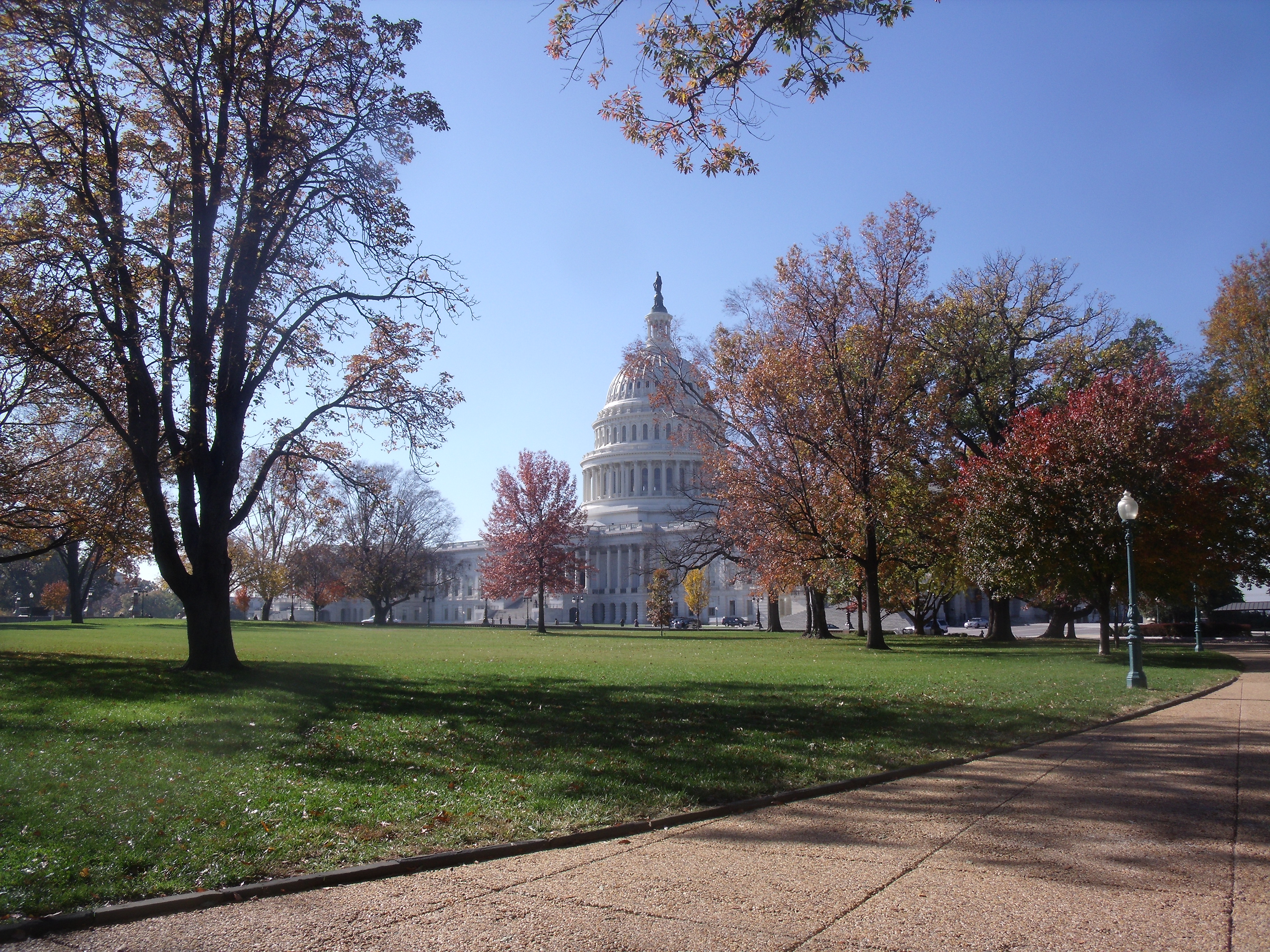
Democrats delivered a massive blue wave in the 2026 midterm elections, securing control of both the House and Senate and breaking through in states that Republicans had treated as dependable territory. The result gives President Donald Trump a dramatically different Congress to confront during the final two years of his term.
The scale is visible in the map: seven Republican-held Senate seats flipped, including Texas, Kansas and South Carolina, while Democratic candidates also won major governor races. This roundup separates those gains from Democratic holds and from races still being counted. Results cited here are news organizations’ race calls or projections, not certified final returns. The snapshot reflects reporting reviewed on November 4; it is not a final inventory of every local contest.
Congress changes hands
AP reporting and NPR’s tally of AP race calls establish Democratic control of both chambers. AP reported at least 54 seats on the Democratic side of the Senate; that bloc includes independents who caucus with Democrats. The final size of the Democratic House majority remains unsettled as individual races finish.
| Contest | Reported outcome | Still to settle |
|---|---|---|
| U.S. House | Democratic majority secured | Final seat total and uncalled districts |
| U.S. Senate | Democratic majority; seven GOP seats flipped | Alaska and Mississippi |
| Governors | Major Democratic pickups, including TX, GA, OH and IA | Complete national total as remaining calls arrive |
The seven Senate flips that define the wave
These are pickups from Republicans, rather than seats Democrats already held. Reading the results that way shows where the balance of power actually moved.
| State | Democratic winner | Republican defeated |
|---|---|---|
| Iowa | Josh Turek | Ashley Hinson |
| Kansas | Adam Hamilton | Roger Marshall |
| Maine | Troy Jackson | Susan Collins |
| North Carolina | Roy Cooper | Michael Whatley |
| Ohio | Sherrod Brown | Jon Husted |
| South Carolina | Annie Andrews | Darline Graham |
| Texas | James Talarico | Ken Paxton |
Texas is an especially significant breakthrough: Talarico’s victory ends a Democratic Senate-election drought stretching back to 1988. Kansas last elected a Democratic senator in 1932, according to Reuters. Wins in those states make it difficult to dismiss the result as a handful of familiar swing districts changing hands.
Democrats protected the seats Republicans needed to win
CBS projected Democratic victories for Jon Ossoff in Georgia, Chris Pappas in New Hampshire and Abdul El-Sayed in Michigan. Each kept a Democratic-held seat.
That distinction matters: a pickup can be canceled by a loss elsewhere. Holding these seats allowed the seven Republican-seat victories to translate into a clear Senate majority.
The House surge reached beyond the usual battlegrounds
NPR reported Democratic victories over four Republican incumbents in Pennsylvania’s competitive districts and at least three flips in Florida districts redrawn by the Republican legislature. Democrats also captured a Lexington-area Kentucky district Trump carried with 57% of the vote in 2024.
Those examples explain the national result better than a premature final seat count. A party can win a narrow majority by taking a few marginal districts. This election produced gains across several different political landscapes, including places Republicans expected their maps and recent presidential margins to protect.
House Democratic leader Hakeem Jeffries is positioned to become speaker, but the House must elect him when the new Congress convenes. He has not already taken over the job.
Governor results: major flips and important holds
The governor races extended the Democratic gains beyond Washington. The first four entries below changed party control; the remaining examples show where each party defended an office it already held.
| State | Winner | Main-party opponent | Control |
|---|---|---|---|
| Texas | Gina Hinojosa (D) | Greg Abbott (R) | Democratic flip |
| Georgia | Keisha Lance Bottoms (D) | Rick Jackson (R) | Democratic flip |
| Ohio | Amy Acton (D) | Vivek Ramaswamy (R) | Democratic flip |
| Iowa | Rob Sand (D) | Zach Lahn (R) | Democratic flip |
| California | Xavier Becerra (D) | Steve Hilton (R) | Democratic hold |
| Arizona | Katie Hobbs (D) | Andy Biggs (R) | Democratic hold |
| Pennsylvania | Josh Shapiro (D) | Stacy Garrity (R) | Democratic hold |
| Wisconsin | David Crowley (D) | Tom Tiffany (R) | Democratic hold |
| Florida | Byron Donalds (R) | David Jolly (D) | Republican hold |
Florida’s Republican hold belongs in the picture. A blue wave describes the direction and breadth of the national shift; it does not mean Democrats won every race or that every state now has Democratic government.
Why “massive blue wave” fits the evidence
Our assessment rests on three results together: both congressional chambers changed hands, the Senate gains spread well beyond the usual battlegrounds, and Democrats won several Republican-held governorships. That combination supports the blue-wave description without claiming an unfinished count is final or declaring an all-time record.
CBS’s exit-poll analysis identified economic frustration as a major force behind the result. Young voters, Latino voters and women backed Democrats for the House, while independents were central to the party’s advantage. Many voters judged the economy negatively and said inflation was a hardship. Exit polls describe the electorate surveyed; they cannot establish a single motive for every person who voted.
The political message is sharp: Republicans’ control of Washington did not shield them from anger over everyday costs. Democrats now have to show that their victories can produce useful decisions for the people who gave them power.
What changes in January
Democratic control gives the party greater power to investigate the administration, set congressional priorities and challenge Trump’s nominations. AP reports that House Democrats plan an early agenda focused on living costs and health coverage, alongside oversight.
Trump remains president and retains the veto. The election therefore creates divided government, with a much stronger congressional check on the White House. Campaign promises will still face the practical test of passing legislation and getting it enacted.
What is still undecided—and where to follow every state
Alaska’s Senate contest between Republican Dan Sullivan and Democrat Mary Peltola, and Mississippi’s race between Republican Cindy Hyde-Smith and Democrat Scott Colom, remained unresolved in the Wednesday-morning coverage reviewed for this article. Neither is counted as an additional Democratic flip here.
Some House contests also remain uncalled. A candidate leading an unfinished count is different from a projected winner, and a projection is different from certification. The final size of the majorities will become clearer as those races are resolved.
For the broader race-by-race picture, use the linked AP results dashboard and The Scoop’s nationwide tracker, which includes state result links. This article provides the national roundup and the major changes in control; those result pages are the place to check individual races beyond the highlights above.
Sources and further reading
AP: congressional majorities and the incoming Congress ↗
NPR: House and Senate results, based on AP race calls ↗
Reuters: the national Democratic surge ↗
CBS News: November 4 exit-poll analysis ↗
New Hampshire Senate: CBS News ↗
Georgia governor: CBS Atlanta ↗
Ohio governor: WKRC reporting ↗
California governor: CBS Sacramento ↗
Wisconsin governor: CBS News ↗
CBS News: remaining races and the national picture, November 4 ↗
CBS News: Alaska Senate count remains unresolved ↗
AP results across all 50 states, via ABC News Australia ↗
The Scoop: nationwide midterm tracker and state result links ↗