What the FDA actually authorized

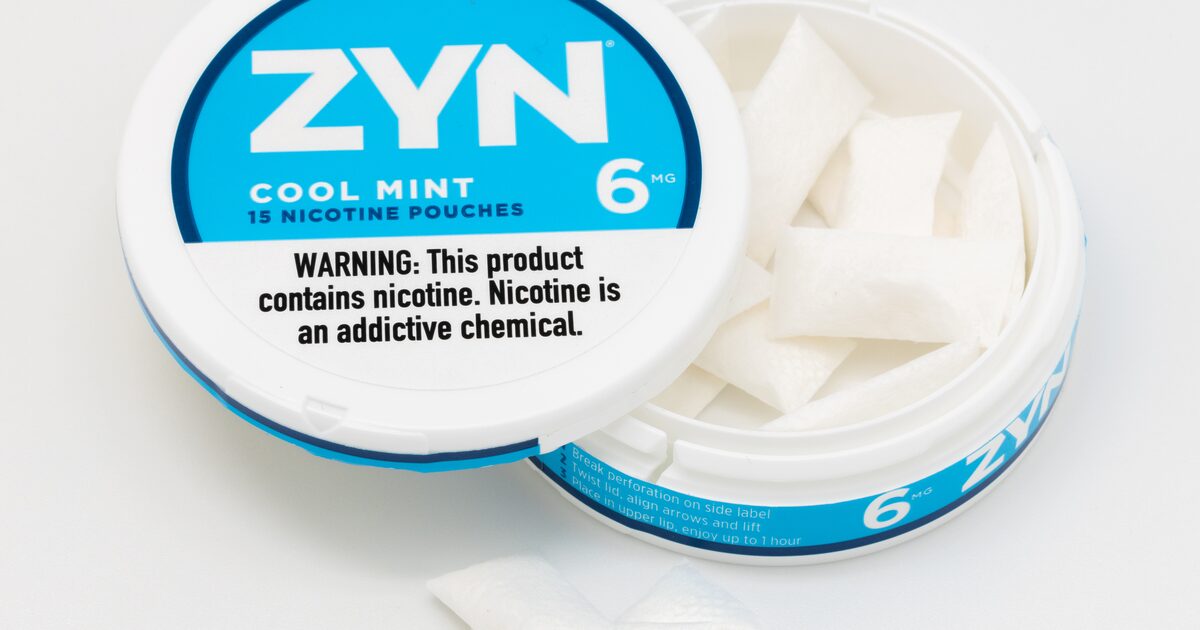
On June 30, the Food and Drug Administration allowed 20 specified ZYN nicotine-pouch products to be marketed with a claim that using them instead of cigarettes lowers the risk of six named diseases, including lung cancer and heart disease.

The wording is comparative and conditional. It concerns adults who replace cigarettes with the listed products; it does not say that adding pouches while continuing to smoke produces the same reduction.

The order also applies to specific 3-milligram and 6-milligram products. It is not an endorsement of every brand, flavor or nicotine strength sold in the marketplace.

Read the source: FDA: Modified-risk orders for 20 ZYN nicotine pouches

Marketing authorization is not medicine approval

FDA tobacco authorization asks whether permitting a product's marketing is appropriate for public health under tobacco law. Drug approval asks whether a medicine is safe and effective for a stated use under a different legal and scientific framework.

The FDA explicitly says authorized nicotine pouches are not safe and are not 'FDA approved.' ZYN has not been approved as a medication to help people quit smoking in the way that certain nicotine-replacement products and prescription drugs have.

Nicotine is addictive. People who do not use tobacco products should not start, and youth should not use nicotine pouches because nicotine can harm the developing brain.

Read the source: FDA: Authorized pouches are not safe or FDA approved

How the evidence should be interpreted

A defensible fact check begins by identifying the exact assertion being evaluated. Questions about claims that FDA authorization means ZYN is safe or approved as a smoking-cessation medicine cannot be answered responsibly by substituting a broader political opinion, relying on a screenshot without context or treating an early procedural development as though it resolved every remaining legal or factual dispute.

Official materials deserve particular attention, but even primary documents have limits: they establish what an agency announced, what a court ordered or what rules currently say, not whether every public interpretation is correct. Where accounts conflict, the relevant date, issuing authority and legal effect matter more than the confidence of the person repeating the claim.

The stakes for adult smokers weighing harm reduction, people who do not use tobacco, young people and families interpreting nicotine marketing are practical as well as informational. A misleading claim can cause unnecessary panic, discourage lawful participation or create the mistaken impression that rights and obligations changed immediately when, in reality, an appeal, injunction, eligibility rule or unpaid balance still controls the outcome.

Read the source: PolitiFact: What is known about ZYN risks and cessation claims

Verdict: Misleading

It is accurate to say the FDA allowed a lower-risk-than-cigarettes claim for 20 ZYN products after scientific review. It is misleading to shorten that finding to 'ZYN is safe' or 'the FDA approved ZYN to help people quit.'

Relative risk is not zero risk. Long-term evidence about rapidly growing pouch use remains more limited than evidence about combustible cigarettes, and the FDA may withdraw modified-risk orders if continued marketing no longer benefits population health.

Adult smokers seeking to quit can consult clinicians and established cessation resources. The healthiest outcome identified by the FDA is quitting all tobacco products, not beginning a new nicotine habit.

The strongest available account comes from the FDA's June 30 modified-risk orders, its authorized-product guidance and independent public-health reporting, which provides the clearest basis for checking the underlying facts against claims circulating elsewhere. Independent reporting and official guidance serve different purposes: one can document a developing dispute, while the other helps establish the governing requirements, current procedures and questions that still need an answer.

There are important limits to what can be established now. The FDA found a specific relative-risk claim scientifically accurate for 20 products; it did not declare all nicotine pouches harmless or approve them as medicines for treating tobacco dependence. Treating an unresolved question as settled would give readers a certainty the available evidence does not support. New statements, updated documents or additional reporting could clarify the situation, but none should be presumed before they appear.

The next meaningful development to watch is FDA monitoring of youth use, manufacturer compliance and longer-term research on oral and cardiovascular effects. Until then, people directly affected should rely on the institution responsible for the decision or service, check the dates attached to public guidance and be cautious about summaries that omit the legal, financial or local context.

Another useful distinction is the difference between an announcement and an outcome. Reporting on claims that FDA authorization means ZYN is safe or approved as a smoking-cessation medicine can establish what has been proposed, ordered, alleged or scheduled, but subsequent implementation may depend on separate decisions by the FDA's June 30 modified-risk orders, its authorized-product guidance and independent public-health reporting. That is why readers should check whether an update describes a completed action, an ongoing process or a statement of intent.

People following this issue should also consider whom the information is meant to help. For adult smokers weighing harm reduction, people who do not use tobacco, young people and families interpreting nicotine marketing, a clear explanation of dates, limitations and responsible institutions is more valuable than dramatic language unsupported by records. Responsible coverage should make those boundaries visible instead of presenting assumptions, online speculation or preliminary numbers as established conclusions.

The featured photograph is an authentic, credited documentary image selected for its relevance to the subject. It should be understood as visual context, not evidence that the photographer witnessed the specific announcement, court proceeding, community event or interaction described in this article unless the accompanying caption explicitly says so.

A careful timeline also matters. Developments concerning claims that FDA authorization means ZYN is safe or approved as a smoking-cessation medicine should be evaluated according to when a decision was made, when it was reported and whether anything changed afterward. Older background can remain useful, but it should never be presented as breaking news, and a future event should not be described as though it already occurred.

Read the source: CDC: How to quit smoking

Sources and further reading

FDA: Modified-risk orders for 20 ZYN nicotine pouches

FDA: Authorized pouches are not safe or FDA approved

PolitiFact: What is known about ZYN risks and cessation claims

CDC: How to quit smoking