The claim
Posts viewed millions of times said 45,000 Muslim 'soldiers' had taken over streets in Dearborn, Michigan. Other versions linked videos of marchers directly to Abdul El-Sayed's victory in the Democratic U.S. Senate primary.
The language suggests an armed or organized military occupation. The videos instead showed participants in the city's annual Arbaeen procession, a religious commemoration honoring Husayn ibn Ali, grandson of the Prophet Muhammad.
PolitiFact found that the procession has been held in Dearborn since 2004. The 2026 event occurred August 2, before the August 4 primary result, so it could not have been a victory march responding to that result.
Read the source: PolitiFact: Viral posts misrepresented Dearborn's Arbaeen procession ↗
What local authorities reported
Dearborn police described the event as a yearly religious commemoration promoting peace and justice. Officials said a group of agitators verbally engaged the procession and that a physical altercation followed.
Police arrested one person and sought information about anyone else who committed assault or dangerous behavior. That is a documented public-safety incident and should not be erased in an effort to correct the broader misinformation.
It also does not validate the takeover claim. Police did not describe 45,000 soldiers, an occupation of the city or a military organization assuming control of public streets.
Read the source: City of Dearborn: Police statement on the August 2 Arbaeen march ↗
How the evidence should be interpreted
A defensible fact check begins by identifying the exact assertion being evaluated. Questions about the viral claim that 45,000 Muslim soldiers took over Dearborn after Abdul El-Sayed's primary victory cannot be answered responsibly by substituting a broader political opinion, relying on a screenshot without context or treating an early procedural development as though it resolved every remaining legal or factual dispute.
Official materials deserve particular attention, but even primary documents have limits: they establish what an agency announced, what a court ordered or what rules currently say, not whether every public interpretation is correct. Where accounts conflict, the relevant date, issuing authority and legal effect matter more than the confidence of the person repeating the claim.
The stakes for Dearborn residents, Muslim Americans and social-media users assessing videos stripped of their date and religious context are practical as well as informational. A misleading claim can cause unnecessary panic, discourage lawful participation or create the mistaken impression that rights and obligations changed immediately when, in reality, an appeal, injunction, eligibility rule or unpaid balance still controls the outcome.
Read the source: Encyclopaedia Britannica: Arbaeen observance ↗
Verdict: False
The videos show a longstanding civilian religious procession, not Muslim soldiers taking over Dearborn. The event preceded El-Sayed's primary victory and was not created to celebrate it.
Posts can use authentic footage while providing false context. Here the visual record is real, but the labels, claimed motive and military framing are unsupported.
A precise account recognizes both facts: police addressed an altercation during the march, and the annual Arbaeen observance was not an armed conquest of the city.
The strongest available account comes from the City of Dearborn's police statement, the event organizer's history and PolitiFact's review of the circulating videos, which provides the clearest basis for checking the underlying facts against claims circulating elsewhere. Independent reporting and official guidance serve different purposes: one can document a developing dispute, while the other helps establish the governing requirements, current procedures and questions that still need an answer.
There are important limits to what can be established now. A physical altercation occurred when marchers encountered agitators and police made an arrest, but that incident does not transform the annual civilian procession into an armed takeover. Treating an unresolved question as settled would give readers a certainty the available evidence does not support. New statements, updated documents or additional reporting could clarify the situation, but none should be presumed before they appear.
The next meaningful development to watch is any completed local charging decision connected to the altercation and corrections to posts that misidentified the event. Until then, people directly affected should rely on the institution responsible for the decision or service, check the dates attached to public guidance and be cautious about summaries that omit the legal, financial or local context.
Another useful distinction is the difference between an announcement and an outcome. Reporting on the viral claim that 45,000 Muslim soldiers took over Dearborn after Abdul El-Sayed's primary victory can establish what has been proposed, ordered, alleged or scheduled, but subsequent implementation may depend on separate decisions by the City of Dearborn's police statement, the event organizer's history and PolitiFact's review of the circulating videos. That is why readers should check whether an update describes a completed action, an ongoing process or a statement of intent.
People following this issue should also consider whom the information is meant to help. For Dearborn residents, Muslim Americans and social-media users assessing videos stripped of their date and religious context, a clear explanation of dates, limitations and responsible institutions is more valuable than dramatic language unsupported by records. Responsible coverage should make those boundaries visible instead of presenting assumptions, online speculation or preliminary numbers as established conclusions.
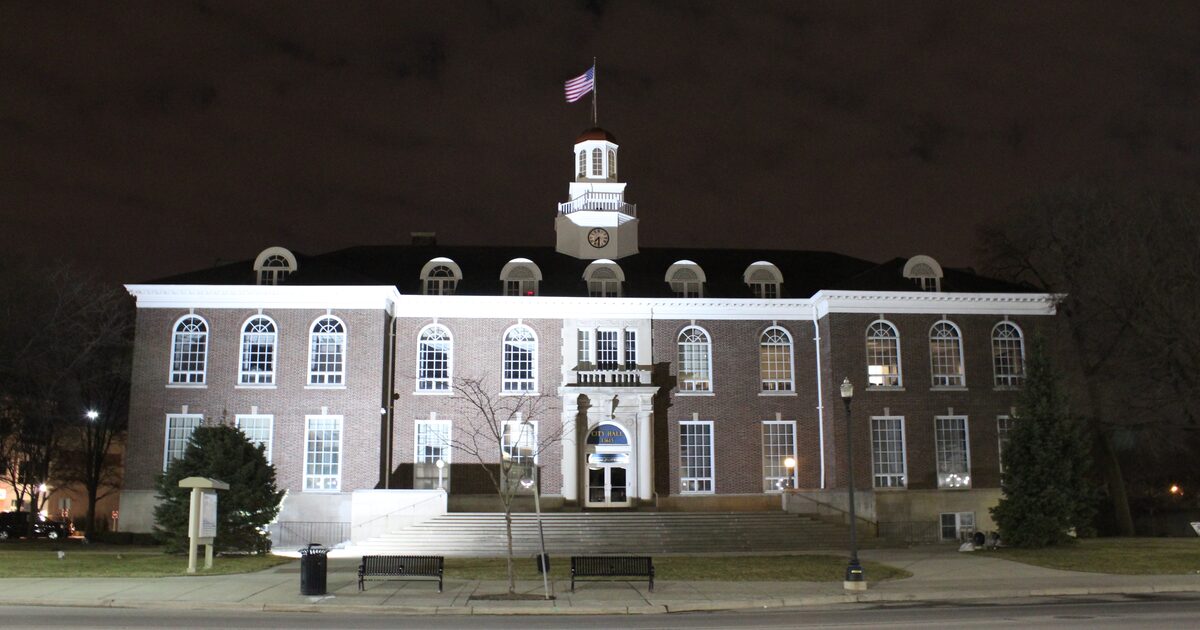
The featured photograph is an authentic, credited documentary image selected for its relevance to the subject. It should be understood as visual context, not evidence that the photographer witnessed the specific announcement, court proceeding, community event or interaction described in this article unless the accompanying caption explicitly says so.
A careful timeline also matters. Developments concerning the viral claim that 45,000 Muslim soldiers took over Dearborn after Abdul El-Sayed's primary victory should be evaluated according to when a decision was made, when it was reported and whether anything changed afterward. Older background can remain useful, but it should never be presented as breaking news, and a future event should not be described as though it already occurred.
Sources and further reading
PolitiFact: Viral posts misrepresented Dearborn's Arbaeen procession ↗
City of Dearborn: Police statement on the August 2 Arbaeen march ↗
